
You're growing in this Zip Code:
Change LocationDiscover Plants for Your Area
Prelude Pieris
Pieris japonica 'Prelude'
Pronunciation: PY-er-iss juh-PON-ih-kuh
SKU #06522
LIGHT:
Partial sun
WATER:
Keep soil moist, but not soggy.
SIZE:
Slowly grows to 2 1/2 ft. tall and wide.

Retailers Near You
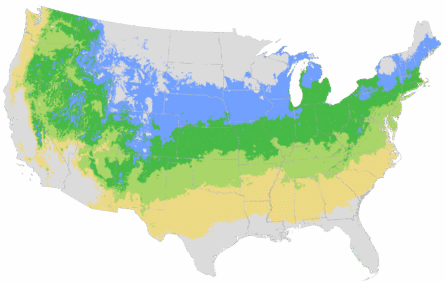
| Description | A useful dwarf selection that flowers later than other varieties. Lovely clusters of pure white flowers on short stalks shine against rich, dark green foliage on a densely branched globe shaped form. New leaves emerges with a pinkish tint. Evergreen. |
|---|---|
| Bloom Time | Late spring |
| Deciduous/Evergreen | Evergreen |
| Special Features | Dramatic Foliage Color, Compact Form |
| Problems/Solutions | Deer Resistant |
| Growth Rate | Slow |
| Flower Attributes | Showy Flowers |
| Landscape Use | Border, Container |
| Design Ideas | This is the perfect Lily of the Valley for very small gardens and will make a great spring flower show in narrow borders and pocket beds. Plant as a single, or mass in irregular groups around landscape boulders. Use as a backdrop for small water gardens and fountains. Excellent foundation plant that won't overgrow small patio gardens. Just as useful in the large woodland garden, where it remains low enough to preserve the sense of space. |
| Flower Color | White |
| Foliage Color | Dark Green |
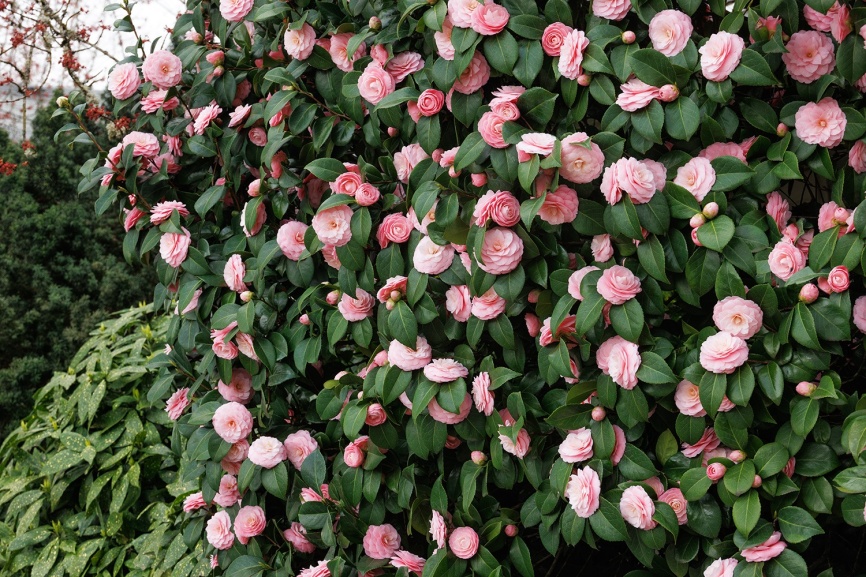
| Companion Plants | Oregon Grape Holly (Mahonia); Camellia (Camellia); Rhododendron (Rhododendron); Holly (Ilex); Mountain Laurel (Kalmia) |
| Care Instructions | Provide organically rich, slightly acidic, well-drained soil, with protection from harsh winds. Thrives in dappled shade. Water deeply and regularly during the first growing season to establish an extensive root system; reduce frequency once established. Keep roots cool with a thick layer of mulch. Feed with an acid fertilizer after bloom. |
| History | This genus, Pieris which contains nine species from Asia and North America was classified among the Ericaceous flowering plants in 1834 by David Don, 1799-1841. He named the genus after the Pierides or nine muses of mythology. This species is so similar to Pieris japonica that there is considerable confusion between P. taiwanensis cultivars and other P. japonica varieties. All of them were offspring of seed gathered by E. H. Wilson in China in 1918. They were shipped to Professor Sargent of Harvard's Arnold Arboretum and the new species and subspecies were exhibited by the Royal Horticultural Society in 1922. Pieris is know to be poisonous and is found in pesticides. |
Details
| Description | A useful dwarf selection that flowers later than other varieties. Lovely clusters of pure white flowers on short stalks shine against rich, dark green foliage on a densely branched globe shaped form. New leaves emerges with a pinkish tint. Evergreen. |
|---|---|
| Bloom Time | Late spring |
| Deciduous/Evergreen | Evergreen |
| Special Features | Dramatic Foliage Color, Compact Form |
| Problems/Solutions | Deer Resistant |
| Growth Rate | Slow |
| Flower Attributes | Showy Flowers |
Style
| Landscape Use | Border, Container |
|---|---|
| Design Ideas | This is the perfect Lily of the Valley for very small gardens and will make a great spring flower show in narrow borders and pocket beds. Plant as a single, or mass in irregular groups around landscape boulders. Use as a backdrop for small water gardens and fountains. Excellent foundation plant that won't overgrow small patio gardens. Just as useful in the large woodland garden, where it remains low enough to preserve the sense of space. |
| Flower Color | White |
| Foliage Color | Dark Green |
| Companion Plants | Oregon Grape Holly (Mahonia); Camellia (Camellia); Rhododendron (Rhododendron); Holly (Ilex); Mountain Laurel (Kalmia) |
Care
| Care Instructions | Provide organically rich, slightly acidic, well-drained soil, with protection from harsh winds. Thrives in dappled shade. Water deeply and regularly during the first growing season to establish an extensive root system; reduce frequency once established. Keep roots cool with a thick layer of mulch. Feed with an acid fertilizer after bloom. |
|---|
History
| History | This genus, Pieris which contains nine species from Asia and North America was classified among the Ericaceous flowering plants in 1834 by David Don, 1799-1841. He named the genus after the Pierides or nine muses of mythology. This species is so similar to Pieris japonica that there is considerable confusion between P. taiwanensis cultivars and other P. japonica varieties. All of them were offspring of seed gathered by E. H. Wilson in China in 1918. They were shipped to Professor Sargent of Harvard's Arnold Arboretum and the new species and subspecies were exhibited by the Royal Horticultural Society in 1922. Pieris is know to be poisonous and is found in pesticides. |
|---|
Retailers Near You
About Us
We have been pioneers and craftsmen in the art of growing plants for 100 years. Since our founding in Southern California by Harry E. Rosedale, Sr. in 1926, we have been absolutely dedicated and obsessed with quality.
We have been pioneers and craftsmen in the art of growing plants for nearly 100 years. Since our founding in Southern California by Harry E. Rosedale, Sr. in 1926, we have been absolutely dedicated and obsessed with quality.