
You're growing in this Zip Code:
Discover Plants for Your Area
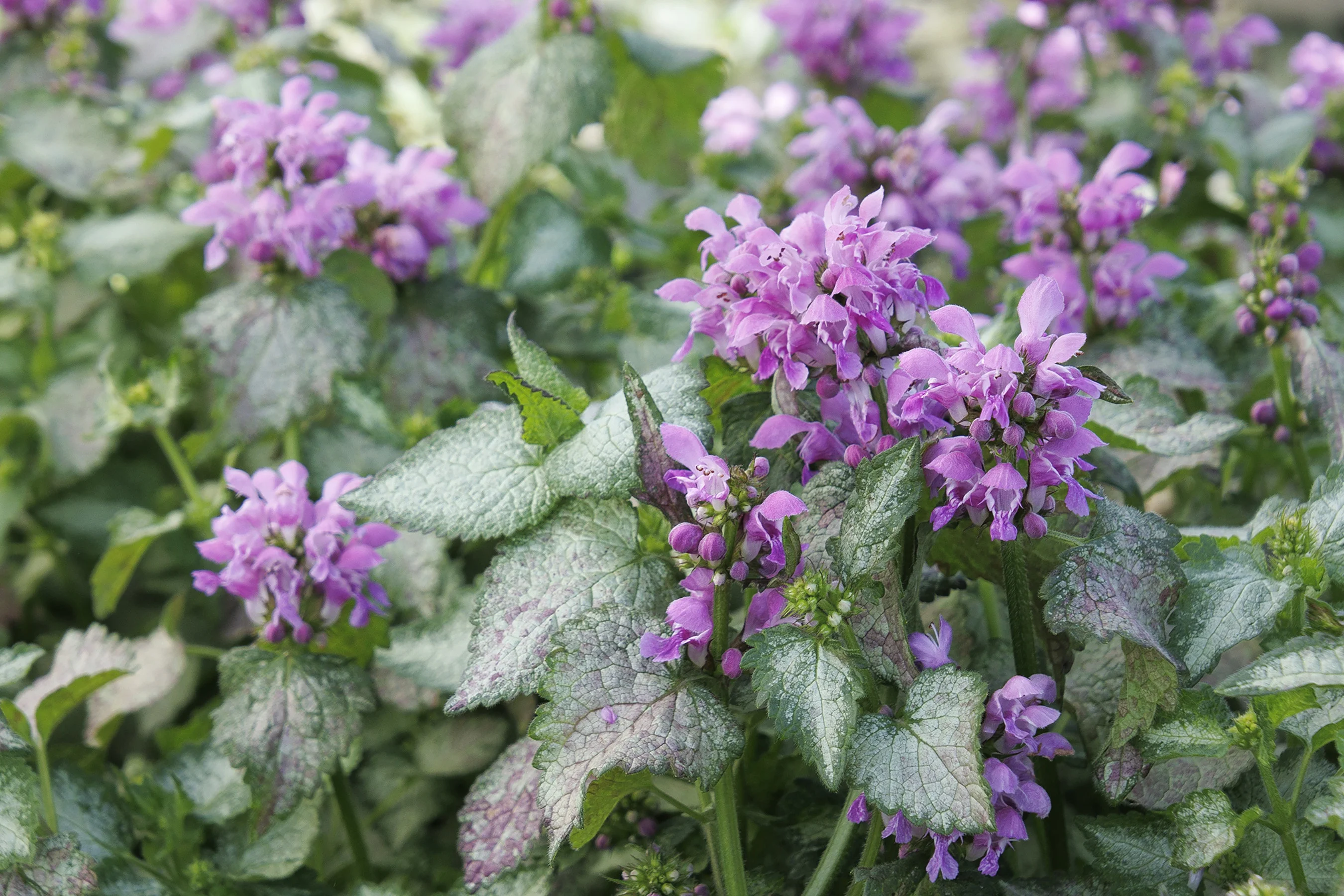
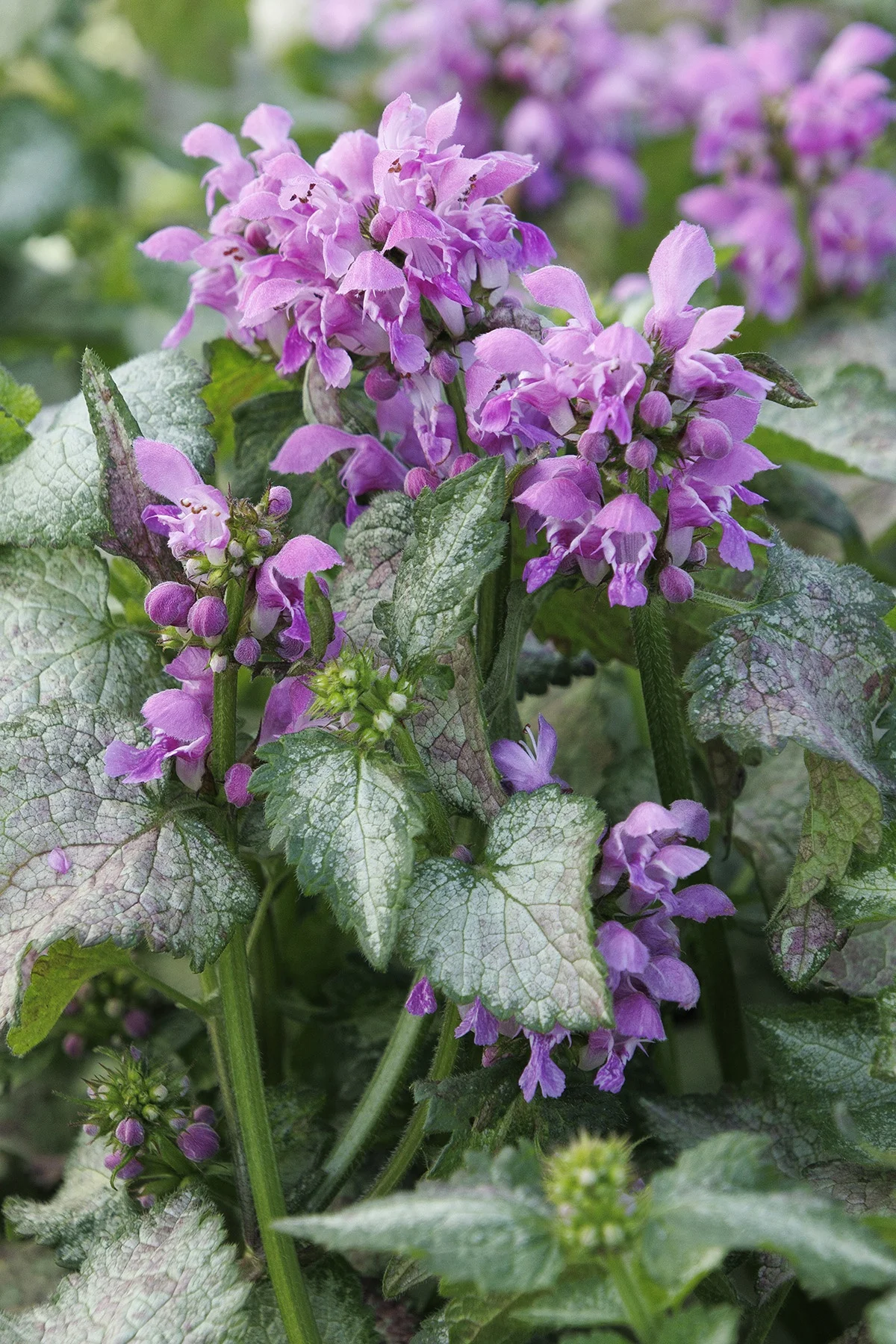
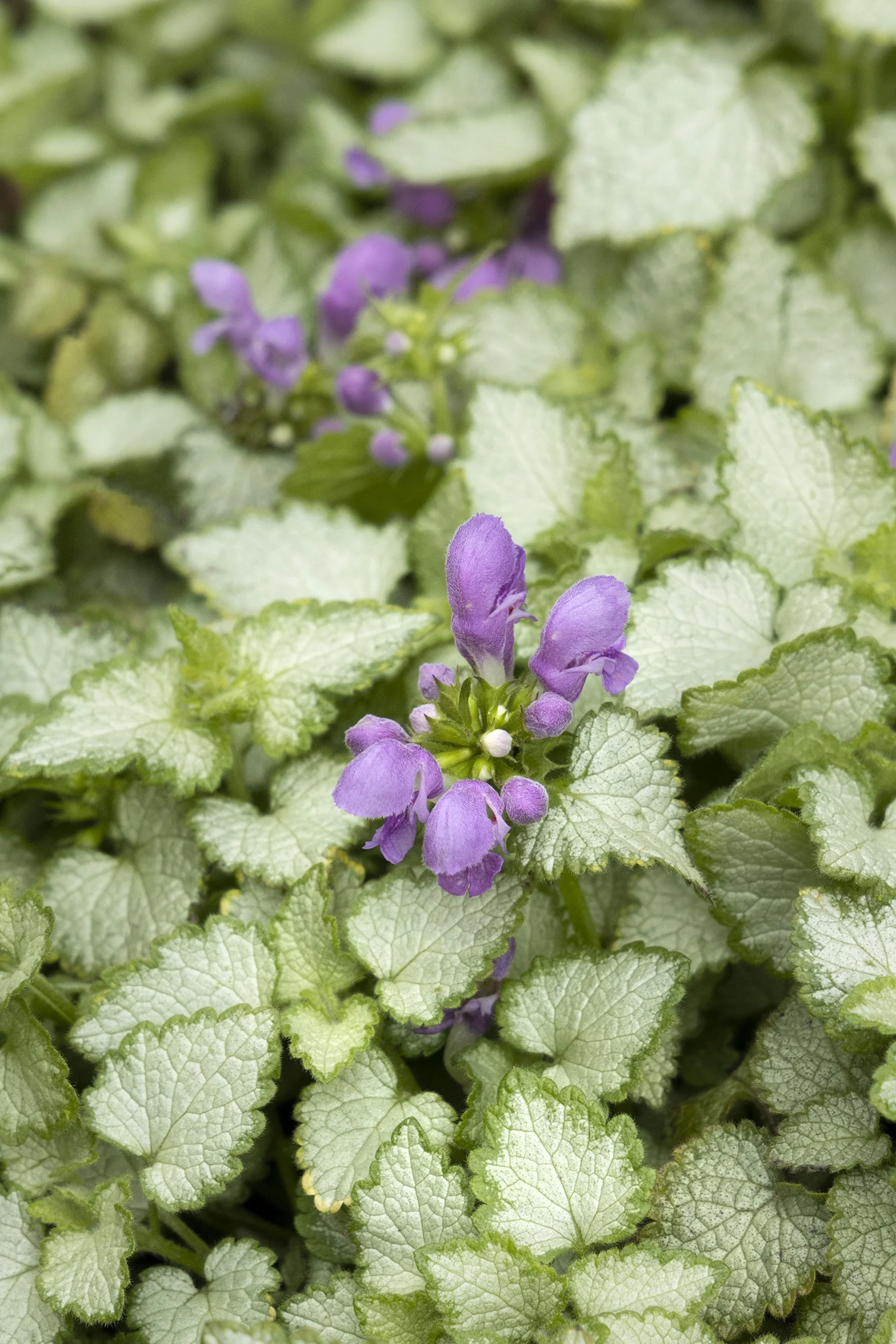
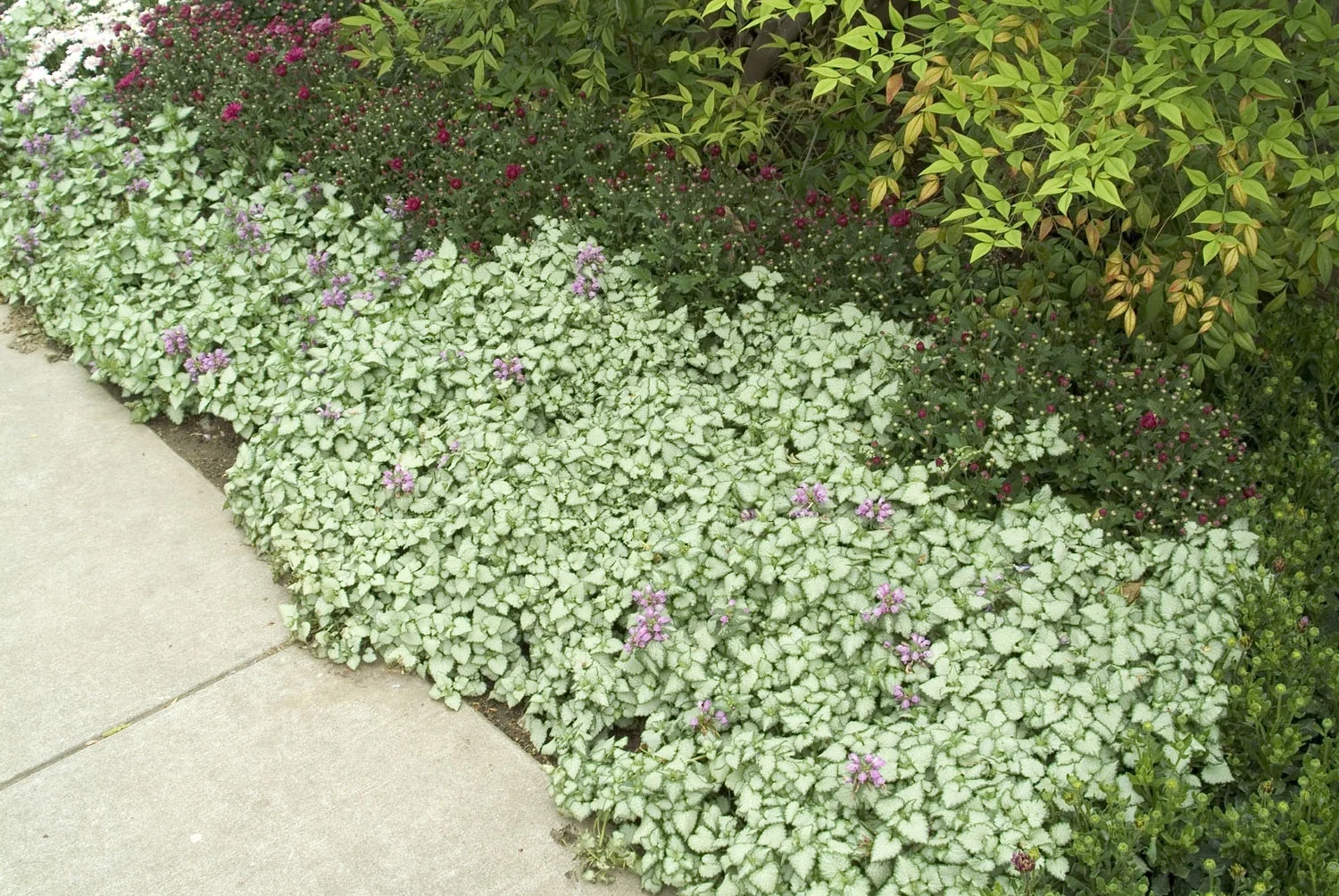
Orchid Frost Spotted Dead Nettle
Lamium maculatum 'Orchid Frost'
Pronunciation: LAY-mee-um mak-yuh-LAH-tum
SKU #00908
LIGHT:
Full shade, Partial shade
WATER:
Keep soil moist, but not soggy.
SIZE:
Quickly reaches 6 to 12 in. tall, 12 to 24 in. wide.

Retailers Near You
Ready to Grow?
Ship Monrovia plants directly to your door. Browse a curated selection available online.
Shop Now >This Plant's Growing Zones: 4-10
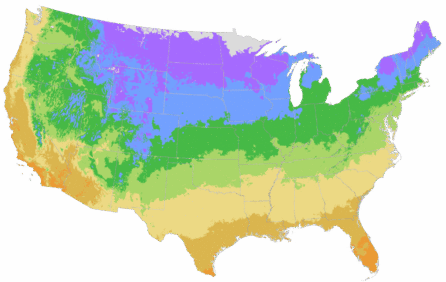
Your USDA Cold Hardiness Zone:
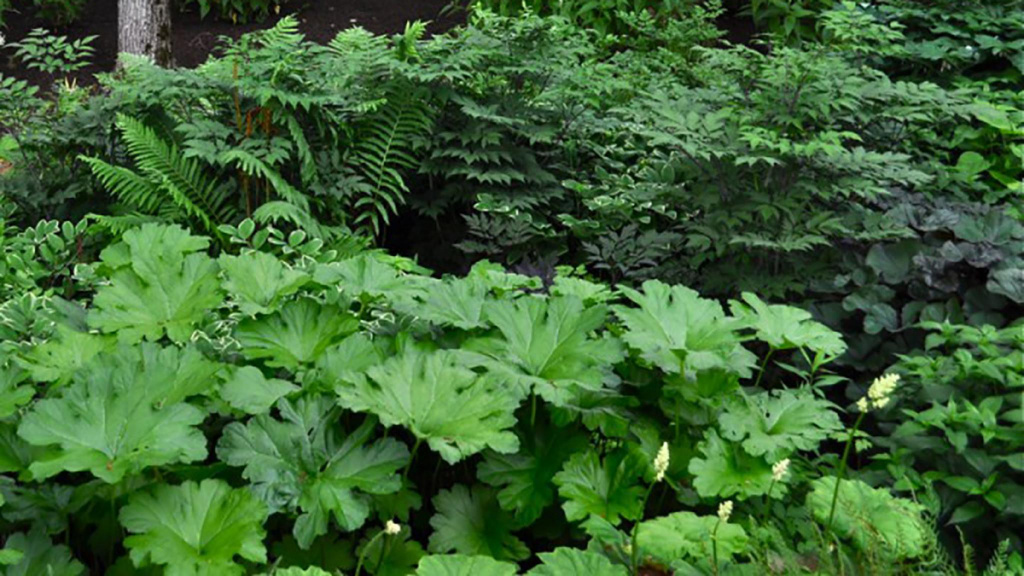
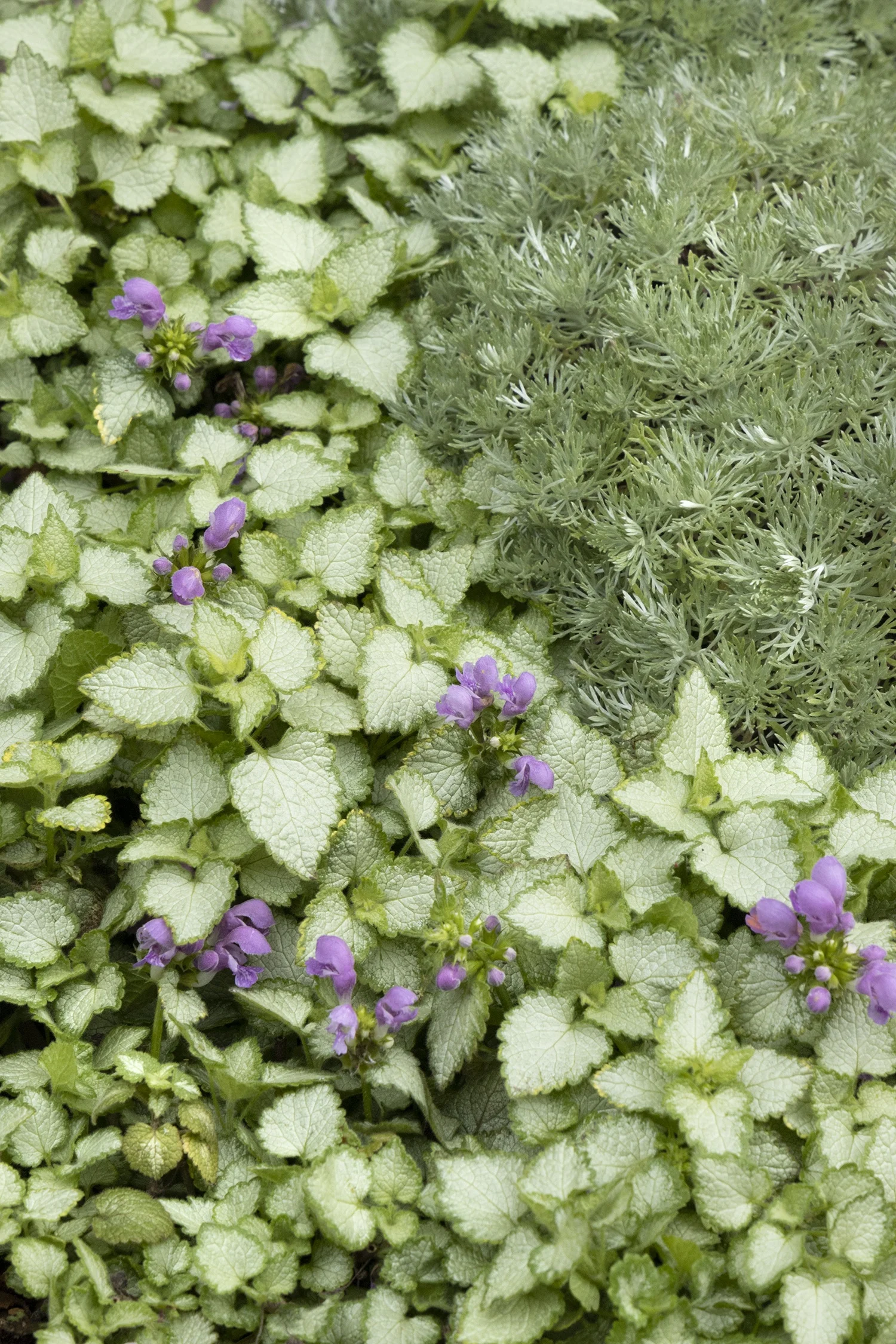
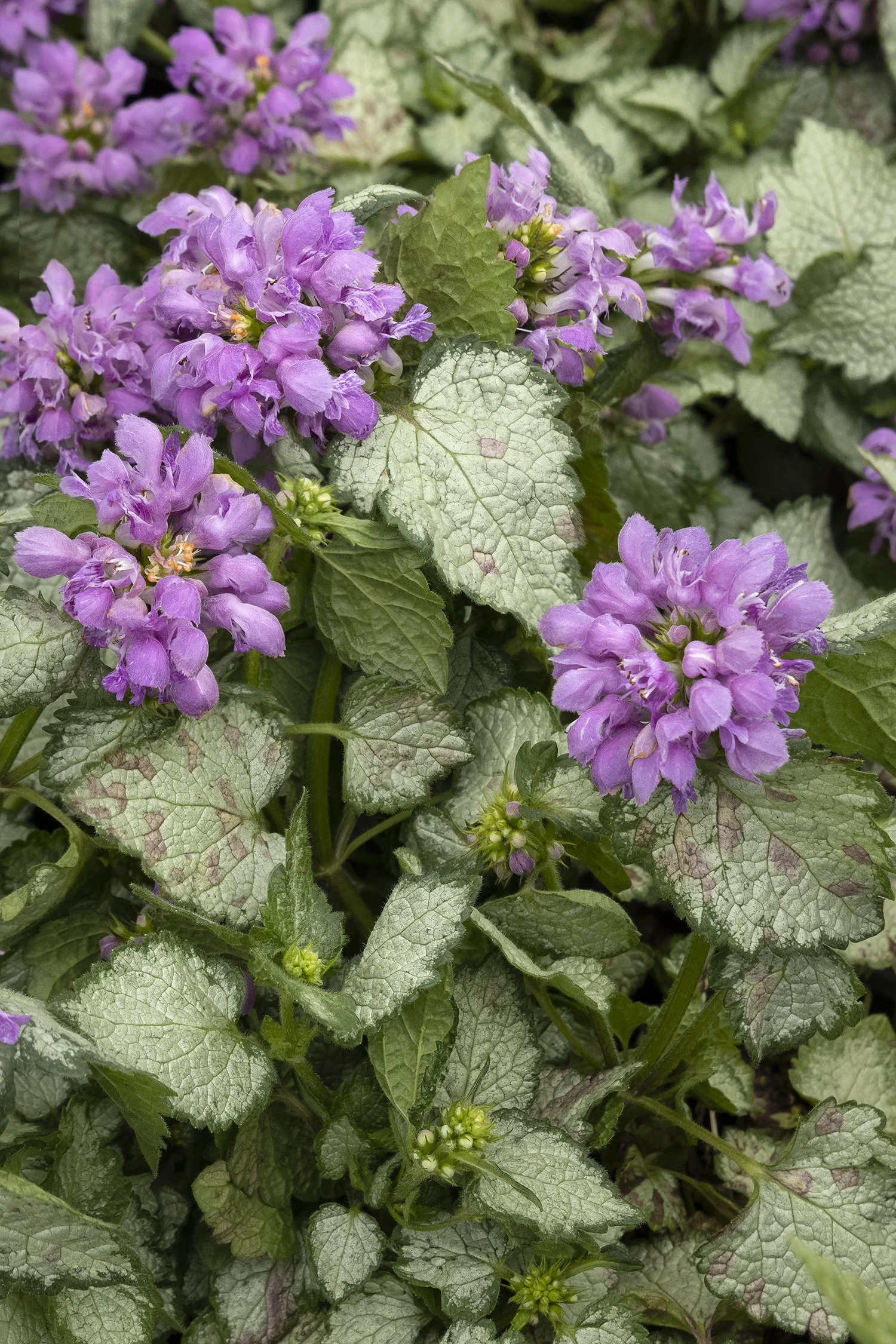
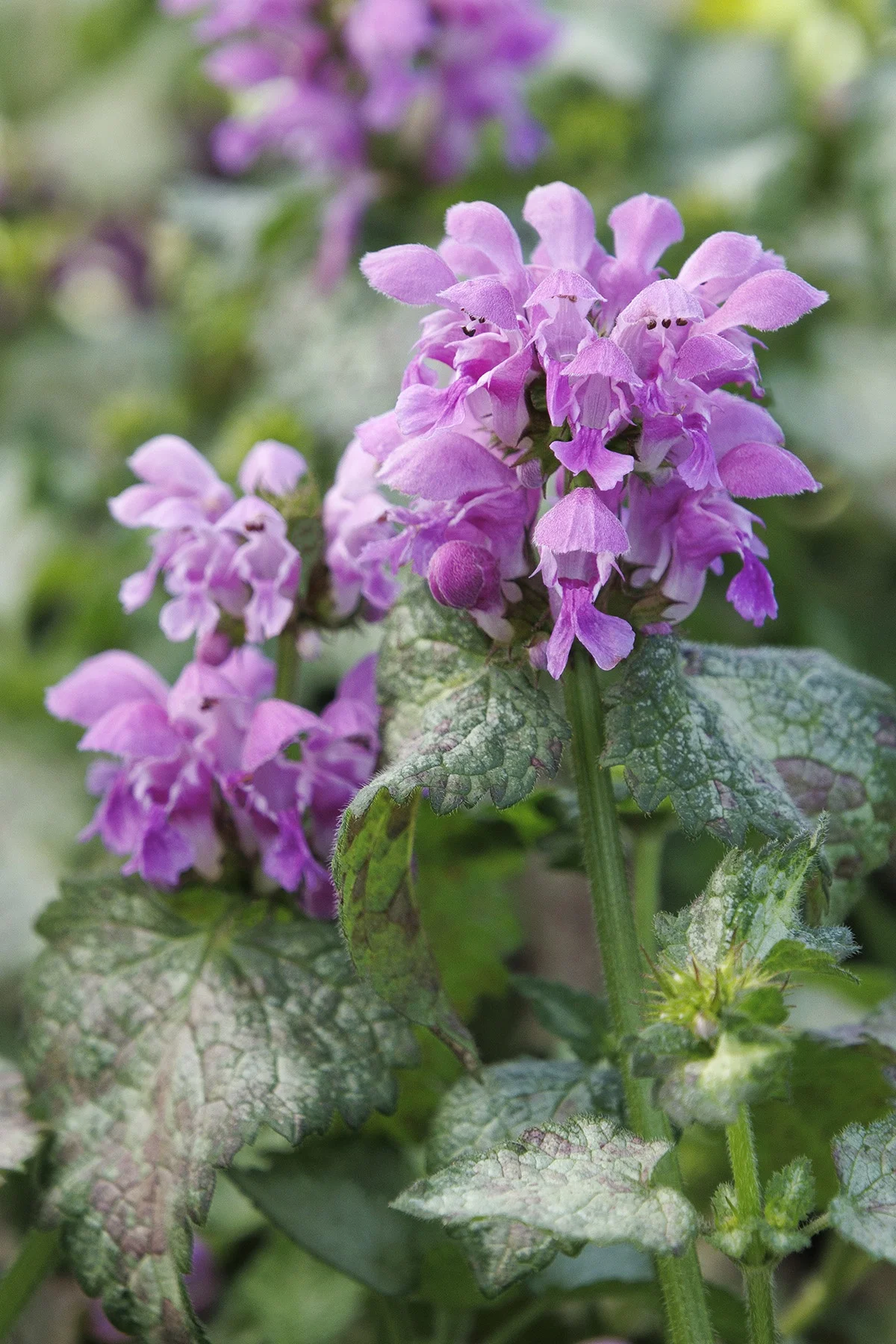
| Description | Scalloped blue-green margins and shimmering silvery centers brighten shady gardens and create a dramatic backdrop for the masses of small, tubular orchid pink flowers. More vigorous and resistant to foliage disease than other varieties. An herbaceous perennial. |
|---|---|
| Bloom Time | Spring to summer |
| Deciduous/Evergreen | Herbaceous |
| Special Features | Dramatic Foliage Color, Fast Growing |
| Problems/Solutions | Deer Resistant, Rabbit Resistant |
| Growth Rate | Fast |
| Growth Habit | Spreading |
| Flower Attributes | Showy Flowers |
| Patent Act | Asexual reproduction of plants protected by the Plant Patent Act is prohibited during the life of the patent. |
| Landscape Use | Border, Ground Cover, Edging |
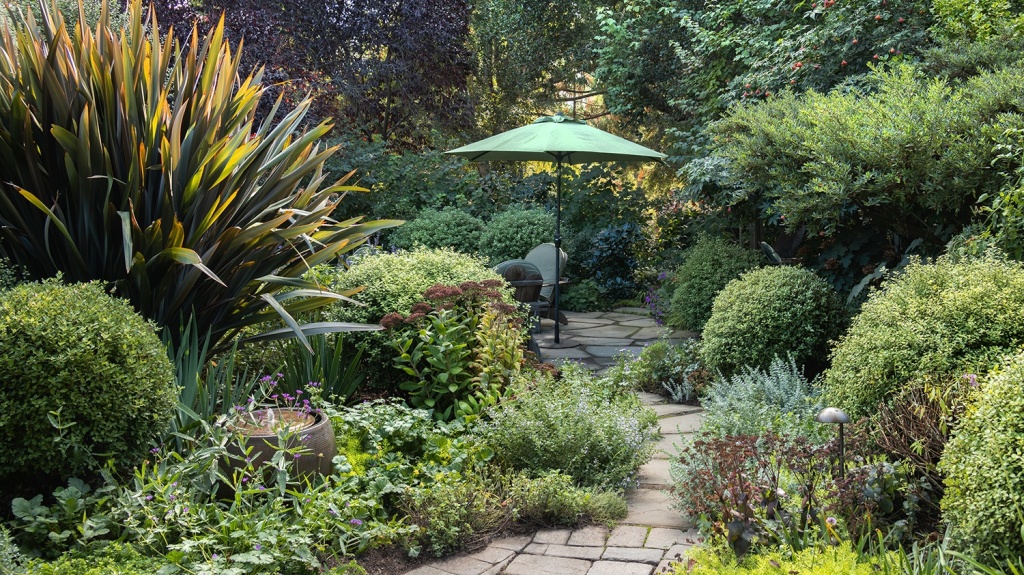
| Design Ideas | An exceptional groundcover to flesh out beds and borders. Fill in spaces beneath woodland trees and shrubs to reduce weeds. A natural along paths and to edge flagstone walks. A good cover for exposed mortar or liners of small water garden edges. Integrate into container compositions for unique foliage. |
| Flower Color | Pink |
| Foliage Color | Variegated |
| Companion Plants | Coral Bells (Heuchera); Astilbe (Astilbe); Lenten Rose (Helleborus); Lungwort (Pulmonaria); Japanese Spurge (Pachysandra) |
| Care Instructions | Thrives in loamy, acidic, evenly moist, well-drained soils but highly adaptable; best sheltered from direct sun. Water deeply, regularly during the first growing season to establish an extensive root system. Prune heavily and apply fertilizer before new growth begins in spring. Remove spent flowers to encourage reblooming. |
| History | This perennial is native over a wide range of Europe and Asia. It's the signature genus of the Lamiaceae, related to the Mint Family, containing 40 to 50 species. |
| Lore | The common name "dead nettle" describes is visual resemblance to stinging nettles, but with Lamium the stingers are dead on these pain free plants. |
Details
| Description | Scalloped blue-green margins and shimmering silvery centers brighten shady gardens and create a dramatic backdrop for the masses of small, tubular orchid pink flowers. More vigorous and resistant to foliage disease than other varieties. An herbaceous perennial. |
|---|---|
| Bloom Time | Spring to summer |
| Deciduous/Evergreen | Herbaceous |
| Special Features | Dramatic Foliage Color, Fast Growing |
| Problems/Solutions | Deer Resistant, Rabbit Resistant |
| Growth Rate | Fast |
| Growth Habit | Spreading |
| Flower Attributes | Showy Flowers |
| Patent Act | Asexual reproduction of plants protected by the Plant Patent Act is prohibited during the life of the patent. |
Style
| Landscape Use | Border, Ground Cover, Edging |
|---|---|
| Design Ideas | An exceptional groundcover to flesh out beds and borders. Fill in spaces beneath woodland trees and shrubs to reduce weeds. A natural along paths and to edge flagstone walks. A good cover for exposed mortar or liners of small water garden edges. Integrate into container compositions for unique foliage. |
| Flower Color | Pink |
| Foliage Color | Variegated |
| Companion Plants | Coral Bells (Heuchera); Astilbe (Astilbe); Lenten Rose (Helleborus); Lungwort (Pulmonaria); Japanese Spurge (Pachysandra) |
Care
| Care Instructions | Thrives in loamy, acidic, evenly moist, well-drained soils but highly adaptable; best sheltered from direct sun. Water deeply, regularly during the first growing season to establish an extensive root system. Prune heavily and apply fertilizer before new growth begins in spring. Remove spent flowers to encourage reblooming. |
|---|
History
| History | This perennial is native over a wide range of Europe and Asia. It's the signature genus of the Lamiaceae, related to the Mint Family, containing 40 to 50 species. |
|---|---|
| Lore | The common name "dead nettle" describes is visual resemblance to stinging nettles, but with Lamium the stingers are dead on these pain free plants. |
Retailers Near You
About Us
We have been pioneers and craftsmen in the art of growing plants for 100 years. Since our founding in Southern California by Harry E. Rosedale, Sr. in 1926, we have been absolutely dedicated and obsessed with quality.
We have been pioneers and craftsmen in the art of growing plants for nearly 100 years. Since our founding in Southern California by Harry E. Rosedale, Sr. in 1926, we have been absolutely dedicated and obsessed with quality.