
You're growing in this Zip Code:
Discover Plants for Your Area
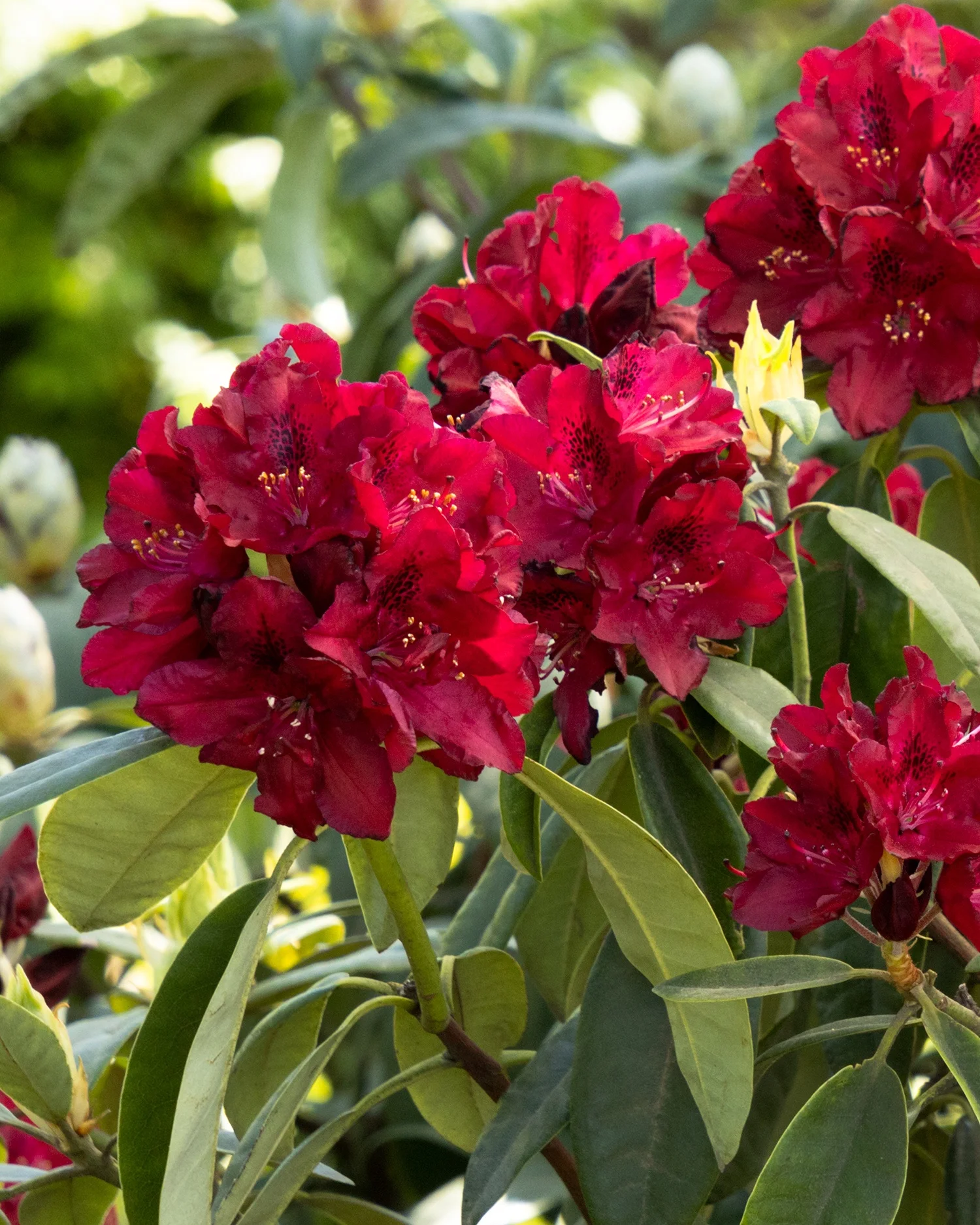
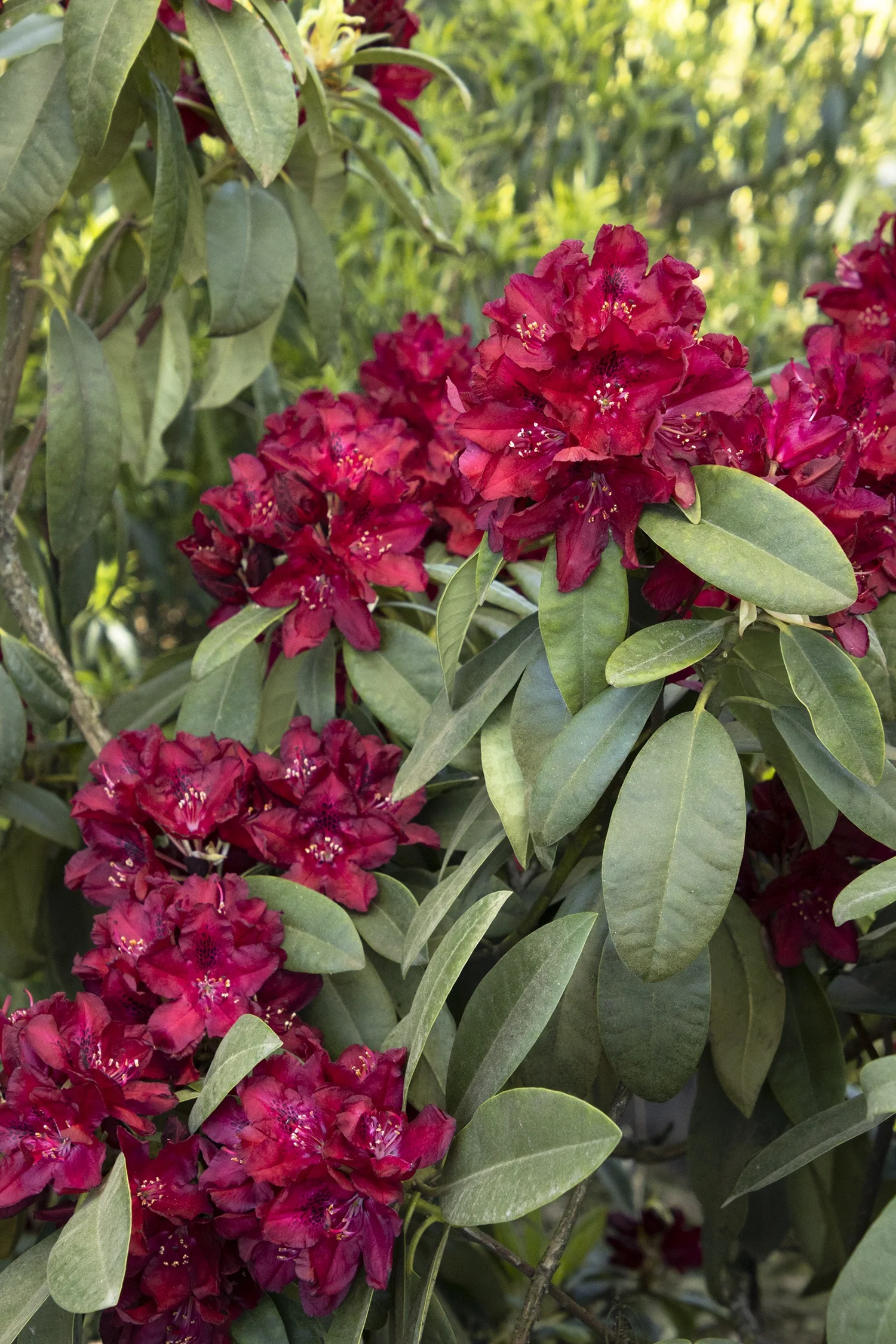
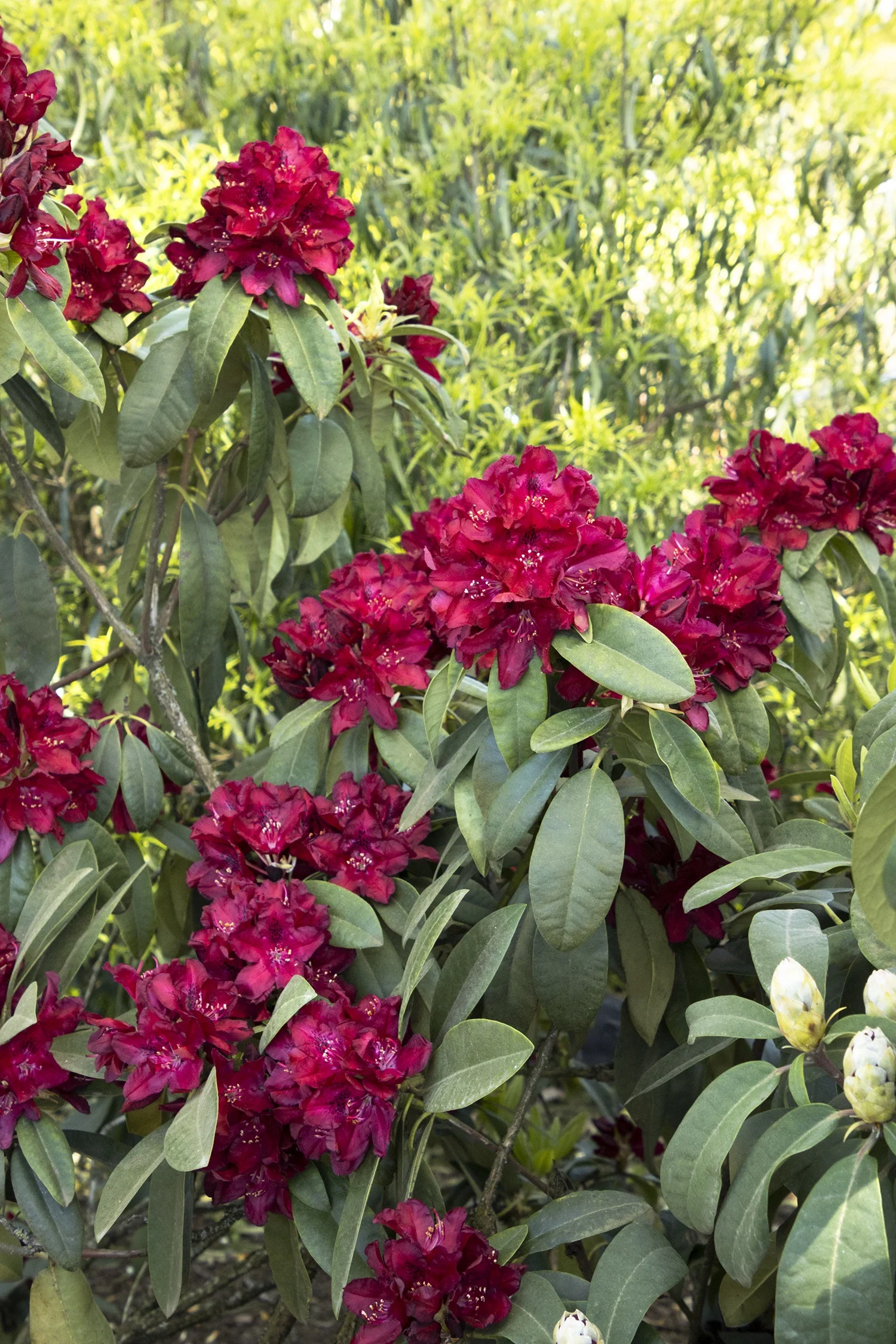
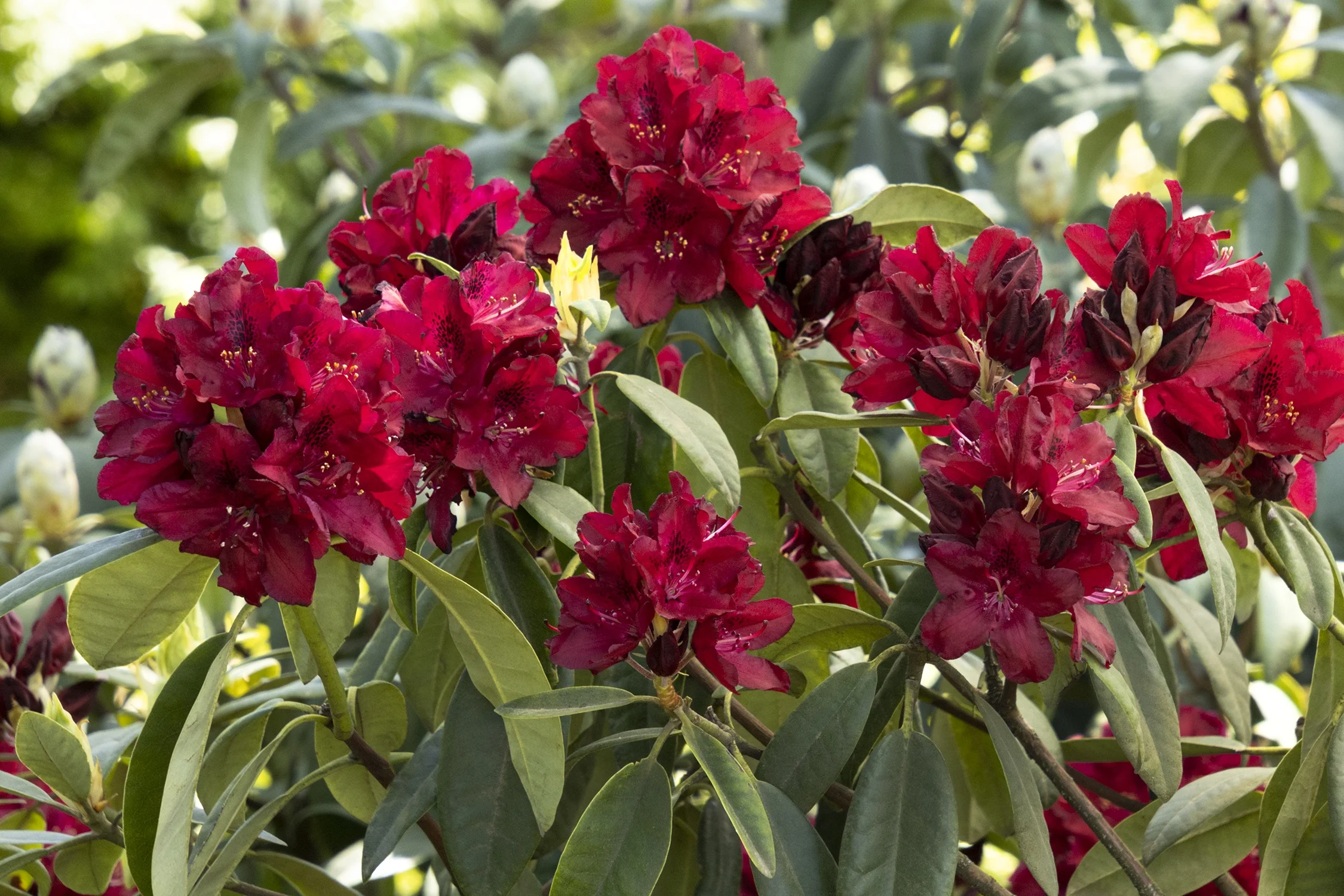
Henry's Red Rhododendron
Rhododendron x 'Henry's Red' (H-1)
Pronunciation: roh-doh-DEN-dron
SKU #00944
LIGHT:
Partial sun
WATER:
Keep soil moist, but not soggy.
SIZE:
Moderate growing; reaches 5 to 7 ft. tall and wide.

Retailers Near You
Ready to Grow?
Ship Monrovia plants directly to your door. Browse a curated selection available online.
Shop Now >This Plant's Growing Zones: 4-8
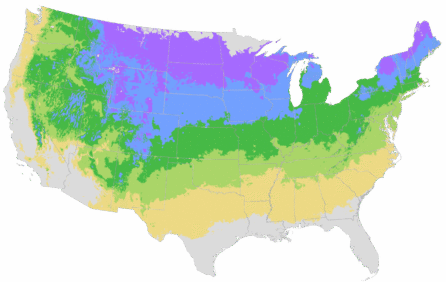
Your USDA Cold Hardiness Zone:
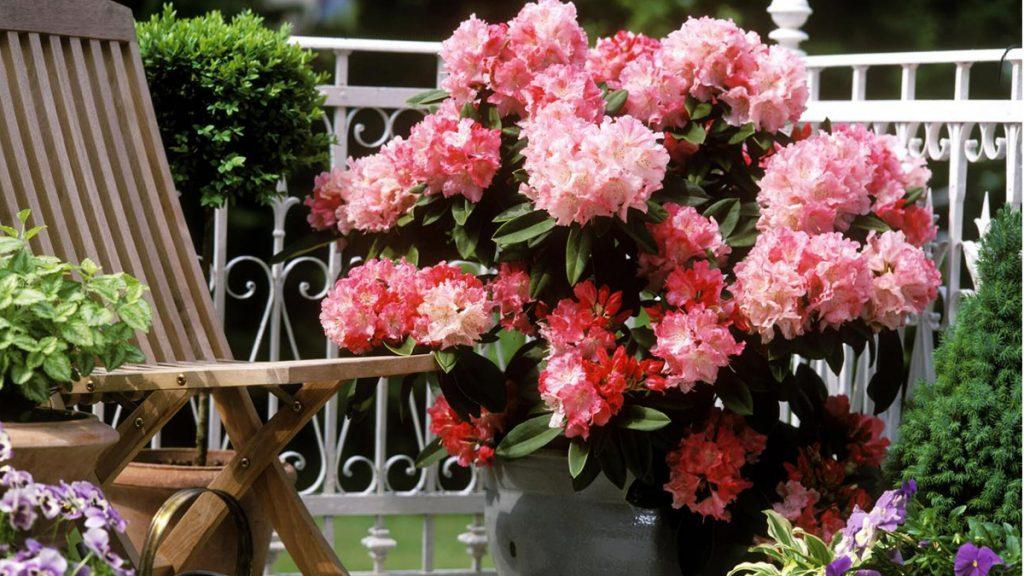
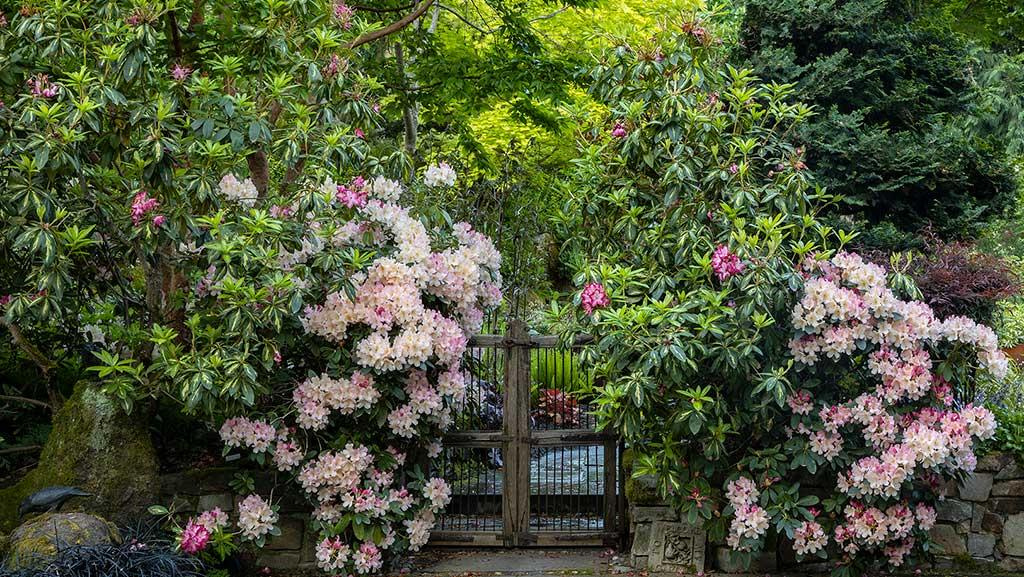
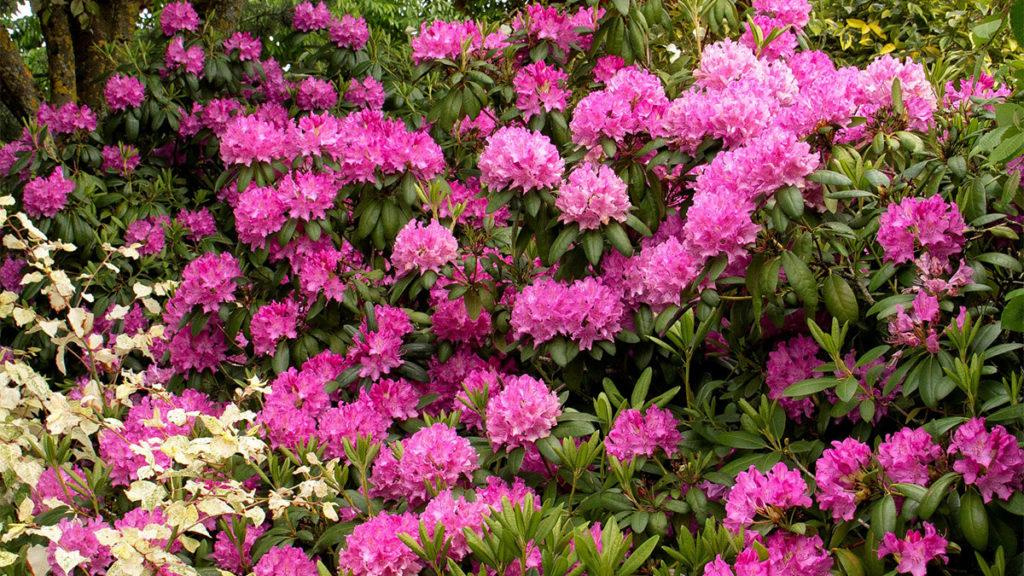
| Description | This dense-growing evergreen shrub is a highly valued landscape ornamental. The large trusses of showy flowers create a beautiful contrast to the dark green foliage. Prefers cooler regions, but some protection from winter wind is helpful. Wonderful for use singly as an accent or in mass plantings. |
|---|---|
| Bloom Time | Spring |
| Deciduous/Evergreen | Evergreen |
| Special Features | Attracts Hummingbirds, Attracts Pollinators |
| Problems/Solutions | Tolerates Urban Pollution |
| Growth Rate | Moderate |
| Flower Attributes | Showy Flowers |
| Landscape Use | Border, Hedge, Privacy Screen |
| Design Ideas | Rhodies are perfectly suited to foundation planting under windows where they cover up ugly footings with evergreen foliage year around. The perfect plant for acidic soils beneath canopies of large shade trees or even smaller accent trees. Very bright flowers are good attention-getter at focal points with groups of them intensifying this effect. Fleshes out planting areas too narrow for larger standard rhodies. Good for edging outdoor living spaces with cooling, rich green foliage and close up appreciation of huge flower trusses. |
| Flower Color | Red |
| Foliage Color | Green |
| Companion Plants | Hydrangea (Hydrangea); Holly (Ilex); Astilbe (Astilbe); Bleeding Heart (Dicentra); Coral Bells (Heuchera) |
| Care Instructions | Provide organically rich, well-drained, acidic soil. Apply a thick layer of mulch to keep roots cool, avoiding the crown. Avoid harsh afternoon sun exposures and shelter from drying winter winds. Water deeply, regularly in the first growing season to establish an extensive root system. Feed with an acid fertilizer after bloom. |
| History | The genus Rhododendron is grouped into the heath family, Ericaceae which contains many acid soil loving species. Rhododendron was named and classified by Linnaeus who named it from the Greek for rose tree. This genus also contains shrubs commonly called azaleas within its 800 Rhododendron species and thousands of hybrids. The species are native to temperate areas of the Northern Hemisphere but are most abundant in the Himalayas and other mountains of Asia. |
Details
| Description | This dense-growing evergreen shrub is a highly valued landscape ornamental. The large trusses of showy flowers create a beautiful contrast to the dark green foliage. Prefers cooler regions, but some protection from winter wind is helpful. Wonderful for use singly as an accent or in mass plantings. |
|---|---|
| Bloom Time | Spring |
| Deciduous/Evergreen | Evergreen |
| Special Features | Attracts Hummingbirds, Attracts Pollinators |
| Problems/Solutions | Tolerates Urban Pollution |
| Growth Rate | Moderate |
| Flower Attributes | Showy Flowers |
Style
| Landscape Use | Border, Hedge, Privacy Screen |
|---|---|
| Design Ideas | Rhodies are perfectly suited to foundation planting under windows where they cover up ugly footings with evergreen foliage year around. The perfect plant for acidic soils beneath canopies of large shade trees or even smaller accent trees. Very bright flowers are good attention-getter at focal points with groups of them intensifying this effect. Fleshes out planting areas too narrow for larger standard rhodies. Good for edging outdoor living spaces with cooling, rich green foliage and close up appreciation of huge flower trusses. |
| Flower Color | Red |
| Foliage Color | Green |
| Companion Plants | Hydrangea (Hydrangea); Holly (Ilex); Astilbe (Astilbe); Bleeding Heart (Dicentra); Coral Bells (Heuchera) |
Care
| Care Instructions | Provide organically rich, well-drained, acidic soil. Apply a thick layer of mulch to keep roots cool, avoiding the crown. Avoid harsh afternoon sun exposures and shelter from drying winter winds. Water deeply, regularly in the first growing season to establish an extensive root system. Feed with an acid fertilizer after bloom. |
|---|
History
| History | The genus Rhododendron is grouped into the heath family, Ericaceae which contains many acid soil loving species. Rhododendron was named and classified by Linnaeus who named it from the Greek for rose tree. This genus also contains shrubs commonly called azaleas within its 800 Rhododendron species and thousands of hybrids. The species are native to temperate areas of the Northern Hemisphere but are most abundant in the Himalayas and other mountains of Asia. |
|---|
Retailers Near You
About Us
We have been pioneers and craftsmen in the art of growing plants for 100 years. Since our founding in Southern California by Harry E. Rosedale, Sr. in 1926, we have been absolutely dedicated and obsessed with quality.
We have been pioneers and craftsmen in the art of growing plants for nearly 100 years. Since our founding in Southern California by Harry E. Rosedale, Sr. in 1926, we have been absolutely dedicated and obsessed with quality.