
You're growing in this Zip Code:
Change LocationDiscover Plants for Your Area
Honeycrisp™ Apple
Malus x 'MN 1711'
Pronunciation: MAY-lus
SKU #05898
LIGHT:
Full sun
WATER:
Once established water during dry spells.
SIZE:
Moderate growing; reaches 20 to 25 ft. tall, 10 to 15 ft. wide.

Retailers Near You
Ready to Grow?
Ship Monrovia plants directly to your door. Browse a curated selection available online.
Shop Now >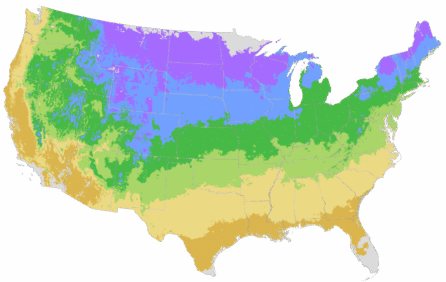

| Description | Charming pink-white flowers provide a showy spring display, then produce large, showy red fruit with exceptional flavor and crispness. Great for fresh eating, cooking or pressing for cider. Stores well in cool conditions. Plant another apple variety such as 'Red Delicious' or 'Fuji' for best fruit set. Recommended chill: 800 hours. Deciduous. |
|---|---|
| Bloom Time | Spring |
| Deciduous/Evergreen | Deciduous |
| Special Features | Fall Color, Showy Fruit, Edible, Attracts Pollinators, Benefits Birds |
| Growth Rate | Moderate |
| Flower Attributes | Showy Flowers |
| Landscape Use | Border, Espalier |
| Flower Color | Pink |
| Foliage Color | Green |
| Foliage Fall Color | Yellow |
| Companion Plants | Rosemary (Rosmarinus); Lavender (Lavandula); Russian Sage (Perovskia); Salvia (Salvia); Yarrow (Achillea) |
| Care Instructions | Provide enriched, well-drained soil. Water deeply, regularly during first few growing seasons to develop an extensive root system; once established, reduce frequency. Apply fertilizer in early spring. Prune as needed to remove dead wood and to maintain desired size and shape. Thin heavy crops in late spring to prevent damage from overbearing. |
| History | University of Minnesota apple breeder David Bedford is credited with discovering Honeycrisp™. Originating as a single seedling amid a sea of many planted at University of Minnesota, it was initially recorded as a 1960 cross of apple varieties 'Macoun' and 'Honeygold'. Many years later, DNA fingerprinting methods demonstrated this was incorrect, and identified 'Keepsake' as one of the parents. |
| Lore | Developed by the University of Minnesota's prestigious breeding program, Honeycrisp™ produces large, red fruit with an exceptionally crisp texture and excellent flavor. |
Details
| Description | Charming pink-white flowers provide a showy spring display, then produce large, showy red fruit with exceptional flavor and crispness. Great for fresh eating, cooking or pressing for cider. Stores well in cool conditions. Plant another apple variety such as 'Red Delicious' or 'Fuji' for best fruit set. Recommended chill: 800 hours. Deciduous. |
|---|---|
| Bloom Time | Spring |
| Deciduous/Evergreen | Deciduous |
| Special Features | Fall Color, Showy Fruit, Edible, Attracts Pollinators, Benefits Birds |
| Growth Rate | Moderate |
| Flower Attributes | Showy Flowers |
Style
| Landscape Use | Border, Espalier |
|---|---|
| Flower Color | Pink |
| Foliage Color | Green |
| Foliage Fall Color | Yellow |
| Companion Plants | Rosemary (Rosmarinus); Lavender (Lavandula); Russian Sage (Perovskia); Salvia (Salvia); Yarrow (Achillea) |
Care
| Care Instructions | Provide enriched, well-drained soil. Water deeply, regularly during first few growing seasons to develop an extensive root system; once established, reduce frequency. Apply fertilizer in early spring. Prune as needed to remove dead wood and to maintain desired size and shape. Thin heavy crops in late spring to prevent damage from overbearing. |
|---|
History
| History | University of Minnesota apple breeder David Bedford is credited with discovering Honeycrisp™. Originating as a single seedling amid a sea of many planted at University of Minnesota, it was initially recorded as a 1960 cross of apple varieties 'Macoun' and 'Honeygold'. Many years later, DNA fingerprinting methods demonstrated this was incorrect, and identified 'Keepsake' as one of the parents. |
|---|---|
| Lore | Developed by the University of Minnesota's prestigious breeding program, Honeycrisp™ produces large, red fruit with an exceptionally crisp texture and excellent flavor. |
Retailers Near You
About Us
We have been pioneers and craftsmen in the art of growing plants for 100 years. Since our founding in Southern California by Harry E. Rosedale, Sr. in 1926, we have been absolutely dedicated and obsessed with quality.
We have been pioneers and craftsmen in the art of growing plants for nearly 100 years. Since our founding in Southern California by Harry E. Rosedale, Sr. in 1926, we have been absolutely dedicated and obsessed with quality.