
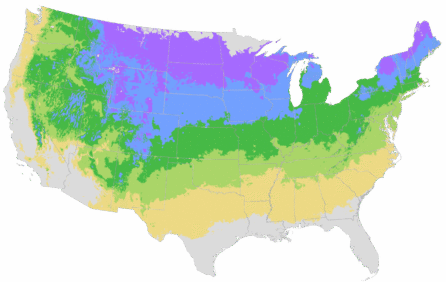
You're growing in this Zip Code:
Change LocationDiscover Plants for Your Area
Sargent Crabapple
Malus sargentii
Pronunciation: MAY-lus sar-JEN-tee-eye
SKU #01016
LIGHT:
Full sun
WATER:
Once established water during dry spells.
SIZE:
Densely branched form reaching 8 to 12 ft. tall and wide.

Retailers Near You
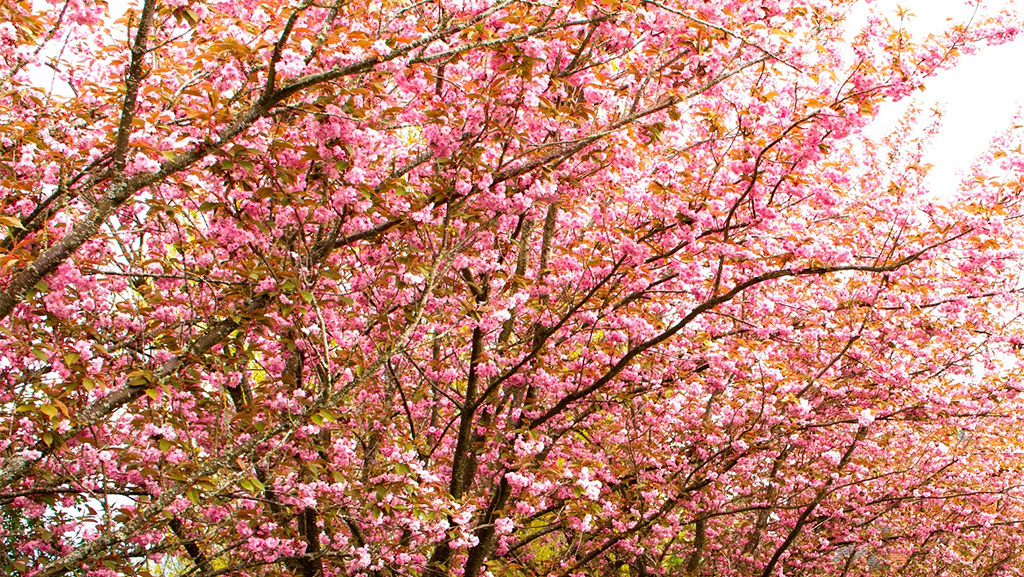

| Description | Fragrant, single red buds open white amid green, deeply lobed foliage. Bright red fruit follows later in the season and persists into the winter. Attracts birds. A mounding, wide-spreading dwarf-size tree that fits well into most landscapes. |
|---|---|
| Bloom Time | Spring |
| Deciduous/Evergreen | Deciduous |
| Special Features | Fall Color, Ornamental Berries, Attracts Pollinators, Compact Form, Benefits Birds |
| Growth Rate | Moderate |
| Flower Attributes | Fragrant, Showy Flowers |
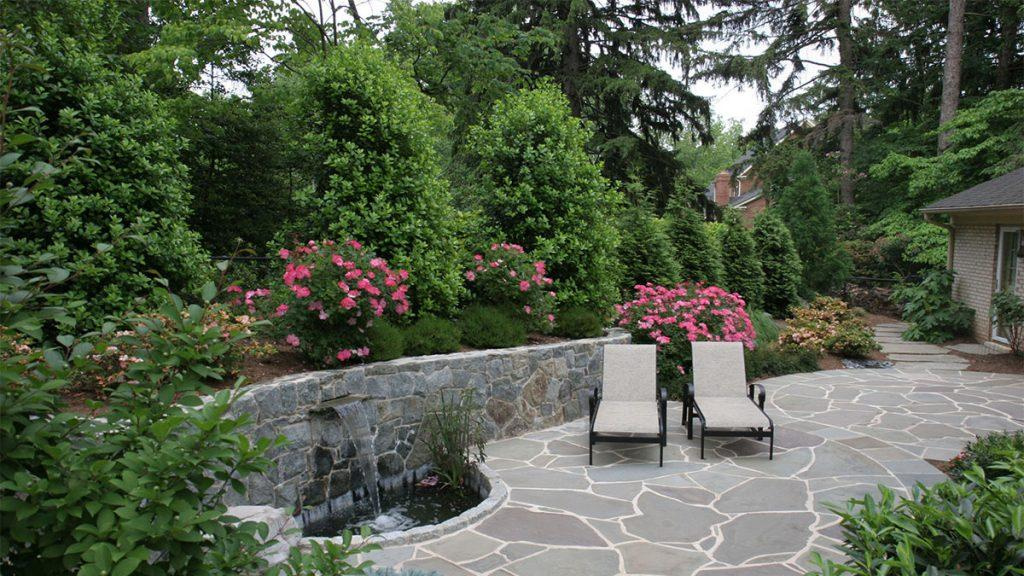
| Design Ideas | A perfectly sized accent tree for front yard foundation planting. Use along fence lines and in mixed borders for seasonal changes. A valuable habitat plant that provides late season fruit for birds. Adapts very well to rural and suburban homesites requiring little care. May be used in institutional landscapes seeking a more ecologically sensitive approach to planting. |
| Flower Color | White |
| Foliage Color | Green |
| Foliage Fall Color | Yellow |
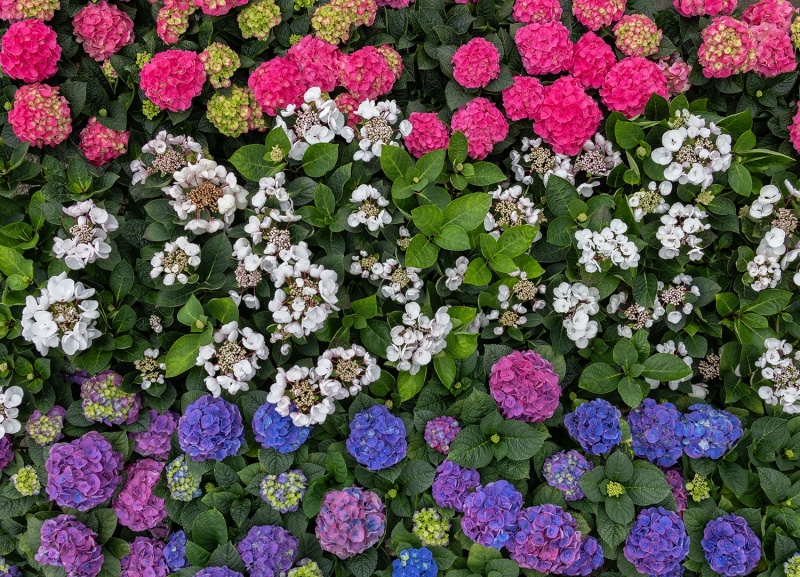
| Companion Plants | This little crabapple belongs with later flowering shrubs such as Preziosa Hydrangea, (Hydrangea serrata 'Preziosa'), Petite Plum Crepe Myrtle, (Lagerstroemia indica 'Monimp'), Blue Satin Rose of Sharon, (Hibiscus syriacus ''Marina') and Balboa Sunset Trumpet Vine, (Campsis radicans 'Monbal'). |
| Care Instructions | Follow a regular watering schedule during the first growing season to establish a deep, extensive root system. Watering can be reduced after establishment. Feed with a general purpose fertilizer before new growth begins in spring. |
| History | Crabapples are members of the Rose Family and this genus, Malus, includes the popular orchard apple. Wild or crabapples are actually a subspecies. Most contemporary crabs are hybrids of both American and cold hardy Siberian strains. This tree is unique in that it is a true species native to Japan. It was imported in 1892 by Charles Sprauge Sargent long time and famed director of Harvard's Arnold Arboretum and named for him. |
| Lore | While crabapples are usually to sour to eat fresh, they have been used to make jams and jellies. |
Details
| Description | Fragrant, single red buds open white amid green, deeply lobed foliage. Bright red fruit follows later in the season and persists into the winter. Attracts birds. A mounding, wide-spreading dwarf-size tree that fits well into most landscapes. |
|---|---|
| Bloom Time | Spring |
| Deciduous/Evergreen | Deciduous |
| Special Features | Fall Color, Ornamental Berries, Attracts Pollinators, Compact Form, Benefits Birds |
| Growth Rate | Moderate |
| Flower Attributes | Fragrant, Showy Flowers |
Style
| Design Ideas | A perfectly sized accent tree for front yard foundation planting. Use along fence lines and in mixed borders for seasonal changes. A valuable habitat plant that provides late season fruit for birds. Adapts very well to rural and suburban homesites requiring little care. May be used in institutional landscapes seeking a more ecologically sensitive approach to planting. |
|---|---|
| Flower Color | White |
| Foliage Color | Green |
| Foliage Fall Color | Yellow |
| Companion Plants | This little crabapple belongs with later flowering shrubs such as Preziosa Hydrangea, (Hydrangea serrata 'Preziosa'), Petite Plum Crepe Myrtle, (Lagerstroemia indica 'Monimp'), Blue Satin Rose of Sharon, (Hibiscus syriacus ''Marina') and Balboa Sunset Trumpet Vine, (Campsis radicans 'Monbal'). |
Care
| Care Instructions | Follow a regular watering schedule during the first growing season to establish a deep, extensive root system. Watering can be reduced after establishment. Feed with a general purpose fertilizer before new growth begins in spring. |
|---|
History
| History | Crabapples are members of the Rose Family and this genus, Malus, includes the popular orchard apple. Wild or crabapples are actually a subspecies. Most contemporary crabs are hybrids of both American and cold hardy Siberian strains. This tree is unique in that it is a true species native to Japan. It was imported in 1892 by Charles Sprauge Sargent long time and famed director of Harvard's Arnold Arboretum and named for him. |
|---|---|
| Lore | While crabapples are usually to sour to eat fresh, they have been used to make jams and jellies. |
Retailers Near You
About Us
We have been pioneers and craftsmen in the art of growing plants for 100 years. Since our founding in Southern California by Harry E. Rosedale, Sr. in 1926, we have been absolutely dedicated and obsessed with quality.
We have been pioneers and craftsmen in the art of growing plants for nearly 100 years. Since our founding in Southern California by Harry E. Rosedale, Sr. in 1926, we have been absolutely dedicated and obsessed with quality.