
You're growing in this Zip Code:
Change LocationDiscover Plants for Your Area
Golden Nugget® Dwarf Japanese Barberry
Berberis thunbergii 'Monlers' ; CPBR #3489
Pronunciation: BUR-bur-is thun-BER-jee-eye
SKU #01203
LIGHT:
Full sun
WATER:
Water when top 3 inches of soil is dry.
SIZE:
Slow growing; reaches only 12 in. tall, 18 in. wide.

Retailers Near You
| Description | An exceptional golden barberry in an exciting dwarf form. Displays attractive non-burning foliage with a golden orange cast most of the season. Excellent low-maintenance color for the landscape from spring to fall. Brightens beds and adds vibrant contrast to shrub borders. Heat and drought tolerant when established. Deciduous. |
|---|---|
| Bloom Time | Spring |
| Deciduous/Evergreen | Deciduous |
| Special Features | Dramatic Foliage Color, Ornamental Berries, Compact Form, Benefits Birds |
| Problems/Solutions | Deer Resistant, Tolerates Urban Pollution, Road Salt Tolerant |
| Growth Rate | Slow |
| Growth Habit | Rounded |
| Patent Act | Asexual reproduction of plants protected by the Plant Patent Act is prohibited during the life of the patent. |
| Landscape Use | Barrier, Border, Container, Hedge |
| Design Ideas | Yellow foliage makes this a bright spot in any garden. An excellent way to spice up mixed shrub borders to stand up all season against dark evergreens. The perfect plant to make seasonal bloomers literally pop out in high contrast. A great choice to break up long edges of green lawn. Calls attention to important points in foundation planting front yard or back. Create a super bold yellow edge or intermix this with closely related dwarf purple barberries for an eye popping effect. A natural for modern gardens dependent on foliage color for interest. |
| Flower Color | Yellow |
| Foliage Color | Yellow |
| Foliage Fall Color | Orange |
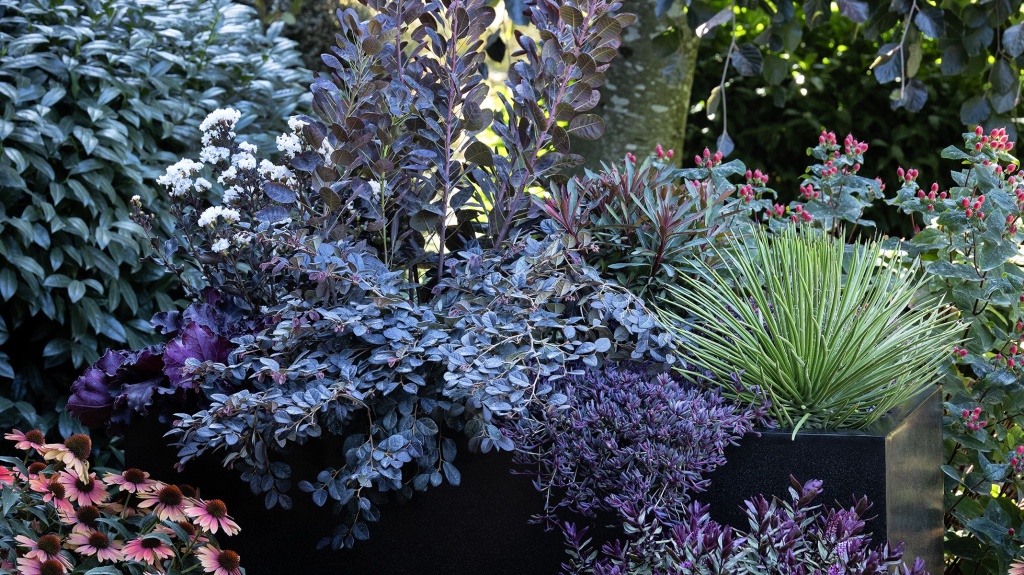
| Companion Plants | Boxwood (Buxus); Potentilla (Potentilla); Smoke Tree (Cotinus); Spirea (Spiraea); Weigela (Weigela) |
| Care Instructions | Thrives in average, well-drained soil; avoid poorly drained, wet sites. Water deeply, regularly during the first growing season to establish an extensive root system; reduce frequency once established. Apply fertilizer before new growth begins in spring. No pruning is necessary except to maintain desired shape. |
| History | Native to Japan and eastern Asia, Barberries are named for their sharp barbs or thorns on the twigs. The species was named for the first botanist to name the Asian forms, C.P. Thunberg who was in the east in 1784, but the species did not reach the west until a century later. The fruit of barberries has been used in various culinary preparations. It has been pickled for use as garnish. Berries when ripe are made into jelly and added to comfits. |
| Lore | The fruit of barberries has been used in various culinary preparations. It has been pickled for use as garnish. Berries of B. thunbergii when ripe are made into jelly and added to comfits. |
Details
| Description | An exceptional golden barberry in an exciting dwarf form. Displays attractive non-burning foliage with a golden orange cast most of the season. Excellent low-maintenance color for the landscape from spring to fall. Brightens beds and adds vibrant contrast to shrub borders. Heat and drought tolerant when established. Deciduous. |
|---|---|
| Bloom Time | Spring |
| Deciduous/Evergreen | Deciduous |
| Special Features | Dramatic Foliage Color, Ornamental Berries, Compact Form, Benefits Birds |
| Problems/Solutions | Deer Resistant, Tolerates Urban Pollution, Road Salt Tolerant |
| Growth Rate | Slow |
| Growth Habit | Rounded |
| Patent Act | Asexual reproduction of plants protected by the Plant Patent Act is prohibited during the life of the patent. |
Style
| Landscape Use | Barrier, Border, Container, Hedge |
|---|---|
| Design Ideas | Yellow foliage makes this a bright spot in any garden. An excellent way to spice up mixed shrub borders to stand up all season against dark evergreens. The perfect plant to make seasonal bloomers literally pop out in high contrast. A great choice to break up long edges of green lawn. Calls attention to important points in foundation planting front yard or back. Create a super bold yellow edge or intermix this with closely related dwarf purple barberries for an eye popping effect. A natural for modern gardens dependent on foliage color for interest. |
| Flower Color | Yellow |
| Foliage Color | Yellow |
| Foliage Fall Color | Orange |
| Companion Plants | Boxwood (Buxus); Potentilla (Potentilla); Smoke Tree (Cotinus); Spirea (Spiraea); Weigela (Weigela) |
Care
| Care Instructions | Thrives in average, well-drained soil; avoid poorly drained, wet sites. Water deeply, regularly during the first growing season to establish an extensive root system; reduce frequency once established. Apply fertilizer before new growth begins in spring. No pruning is necessary except to maintain desired shape. |
|---|
History
| History | Native to Japan and eastern Asia, Barberries are named for their sharp barbs or thorns on the twigs. The species was named for the first botanist to name the Asian forms, C.P. Thunberg who was in the east in 1784, but the species did not reach the west until a century later. The fruit of barberries has been used in various culinary preparations. It has been pickled for use as garnish. Berries when ripe are made into jelly and added to comfits. |
|---|---|
| Lore | The fruit of barberries has been used in various culinary preparations. It has been pickled for use as garnish. Berries of B. thunbergii when ripe are made into jelly and added to comfits. |
Retailers Near You
About Us
We have been pioneers and craftsmen in the art of growing plants for 100 years. Since our founding in Southern California by Harry E. Rosedale, Sr. in 1926, we have been absolutely dedicated and obsessed with quality.
We have been pioneers and craftsmen in the art of growing plants for nearly 100 years. Since our founding in Southern California by Harry E. Rosedale, Sr. in 1926, we have been absolutely dedicated and obsessed with quality.