
You're growing in this Zip Code:
Change LocationDiscover Plants for Your Area
Ballerina Indian Hawthorn
Rhaphiolepis indica 'Ballerina'
Pronunciation: raf-i-OL-e-pis IN-dih-kuh
SKU #02137
LIGHT:
Full sun, Partial sun
WATER:
Water when top 3 inches of soil is dry.
SIZE:
Moderate growing; reaches 2 to 3 ft. tall, 3 to 4 ft. wide.

Retailers Near You
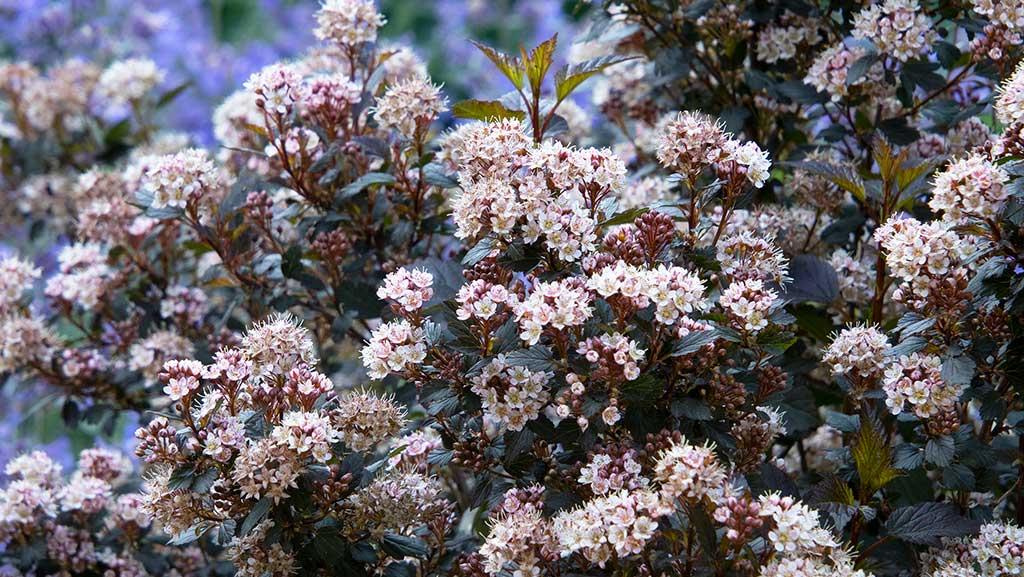
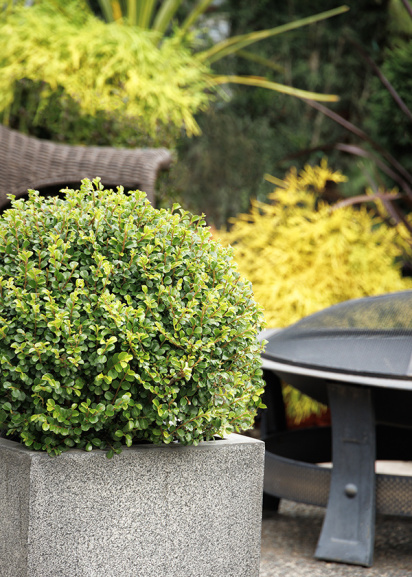
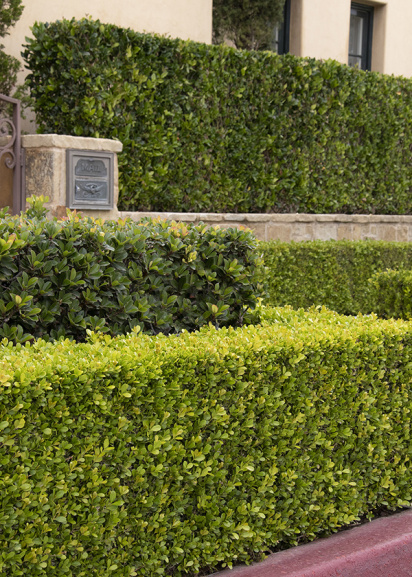
| Description | This outstanding low evergreen shrub blooms profusely in late winter to early spring, often repeating in fall. Rose-pink flowers produce small, dark berries. Perfect for low maintenance gardens, with a neat, compact habit that seldom needs pruning. Heat and drought tolerant when established. Durable foliage resists damage from pollution and wind. |
|---|---|
| Bloom Time | Spring, often repeating in early fall. |
| Deciduous/Evergreen | Evergreen |
| Special Features | Easy Care, Ornamental Berries, Waterwise, Compact Form, Benefits Birds |
| Problems/Solutions | Coastal Exposure, Drought Tolerant |
| Growth Rate | Moderate |
| Flower Attributes | Flowers for Cutting |
| Landscape Use | Border, Container, Hedge, Ground Cover |
| Design Ideas | Feature as an accent or border plant, or mass into large beds to provide a spectacular splash of spring color. |
| Flower Color | Pink |
| Foliage Color | Green |
| Companion Plants | Aucuba (Aucuba); California Lilac (Ceanothus); Crape Myrtle (Lagerstroemia); Rosemary (Rosmarinus); Cotoneaster (Cotoneaster); Loropetalum (Loropetalum) |
| Care Instructions | Grows easily in average, well-drained soils. Flowers best in full sun. Water deeply and regularly during the first growing season to establish an extensive root system. Once established, reduce frequency; tolerates moderate drought. Fertilize before new growth begins in spring. For a formal appearance, prune annually after flowering. |
| History | Rhaphiolepis indica originates from India and Asia, specifically southern China. |
Details
| Description | This outstanding low evergreen shrub blooms profusely in late winter to early spring, often repeating in fall. Rose-pink flowers produce small, dark berries. Perfect for low maintenance gardens, with a neat, compact habit that seldom needs pruning. Heat and drought tolerant when established. Durable foliage resists damage from pollution and wind. |
|---|---|
| Bloom Time | Spring, often repeating in early fall. |
| Deciduous/Evergreen | Evergreen |
| Special Features | Easy Care, Ornamental Berries, Waterwise, Compact Form, Benefits Birds |
| Problems/Solutions | Coastal Exposure, Drought Tolerant |
| Growth Rate | Moderate |
| Flower Attributes | Flowers for Cutting |
Style
| Landscape Use | Border, Container, Hedge, Ground Cover |
|---|---|
| Design Ideas | Feature as an accent or border plant, or mass into large beds to provide a spectacular splash of spring color. |
| Flower Color | Pink |
| Foliage Color | Green |
| Companion Plants | Aucuba (Aucuba); California Lilac (Ceanothus); Crape Myrtle (Lagerstroemia); Rosemary (Rosmarinus); Cotoneaster (Cotoneaster); Loropetalum (Loropetalum) |
Care
| Care Instructions | Grows easily in average, well-drained soils. Flowers best in full sun. Water deeply and regularly during the first growing season to establish an extensive root system. Once established, reduce frequency; tolerates moderate drought. Fertilize before new growth begins in spring. For a formal appearance, prune annually after flowering. |
|---|
History
| History | Rhaphiolepis indica originates from India and Asia, specifically southern China. |
|---|
Retailers Near You
About Us
We have been pioneers and craftsmen in the art of growing plants for 100 years. Since our founding in Southern California by Harry E. Rosedale, Sr. in 1926, we have been absolutely dedicated and obsessed with quality.
We have been pioneers and craftsmen in the art of growing plants for nearly 100 years. Since our founding in Southern California by Harry E. Rosedale, Sr. in 1926, we have been absolutely dedicated and obsessed with quality.