
You're growing in this Zip Code:
Change LocationDiscover Plants for Your Area
Burgundy Desert Willow
Chilopsis linearis 'Burgundy'
Pronunciation: KY-lop-sis lin-e-A-ris
SKU #02413
LIGHT:
Full sun
WATER:
Once established, water if very dry.
SIZE:
Moderate growing; reaches 15 to 20 ft. high, equal width.

Retailers Near You
Ready to Grow?
Ship Monrovia plants directly to your door. Browse a curated selection available online.
Shop Now >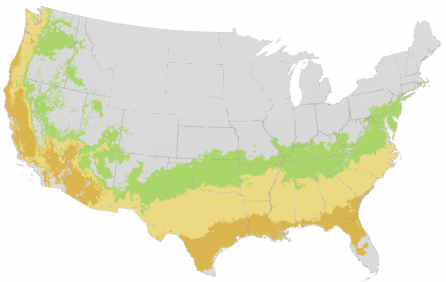
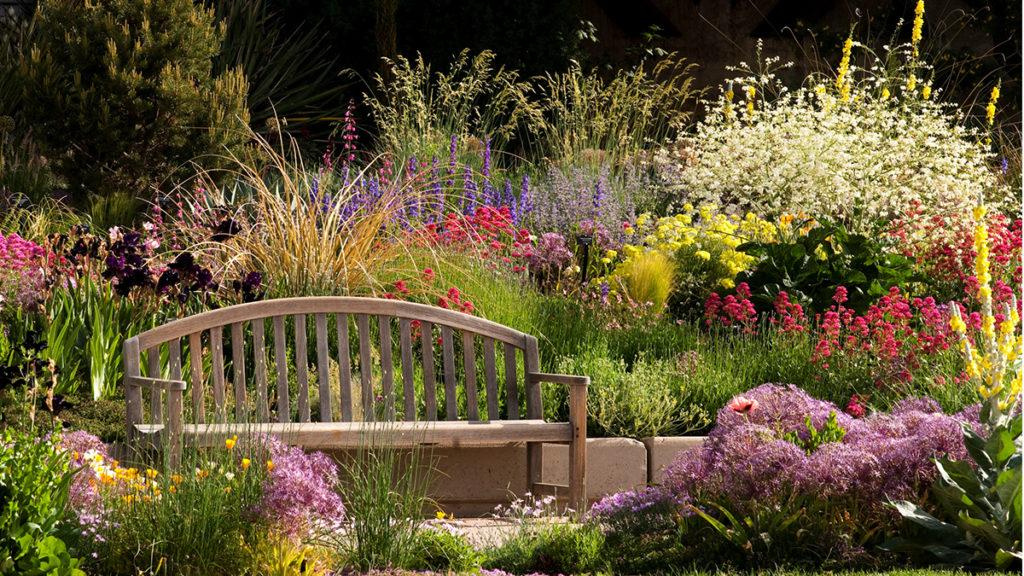
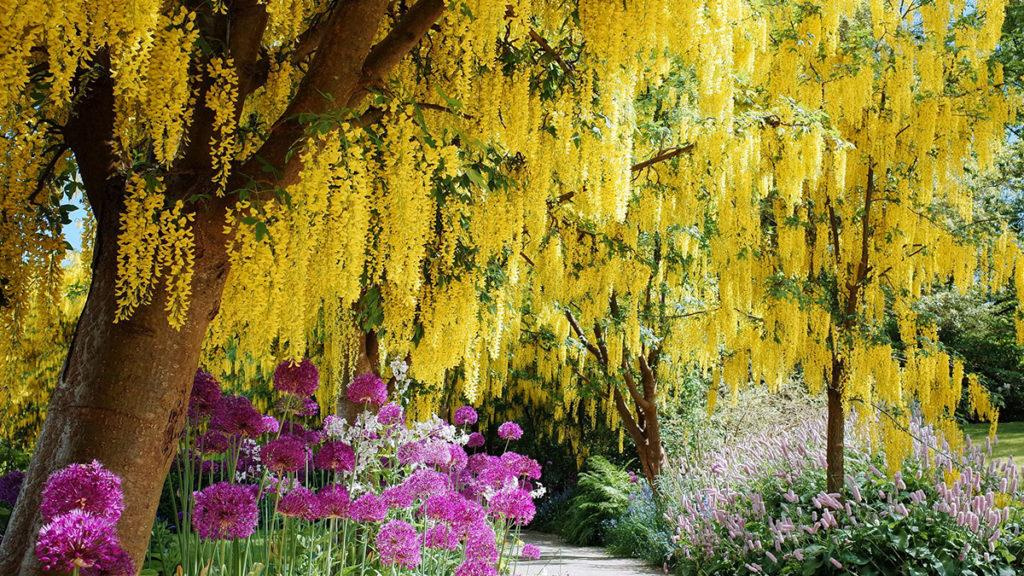
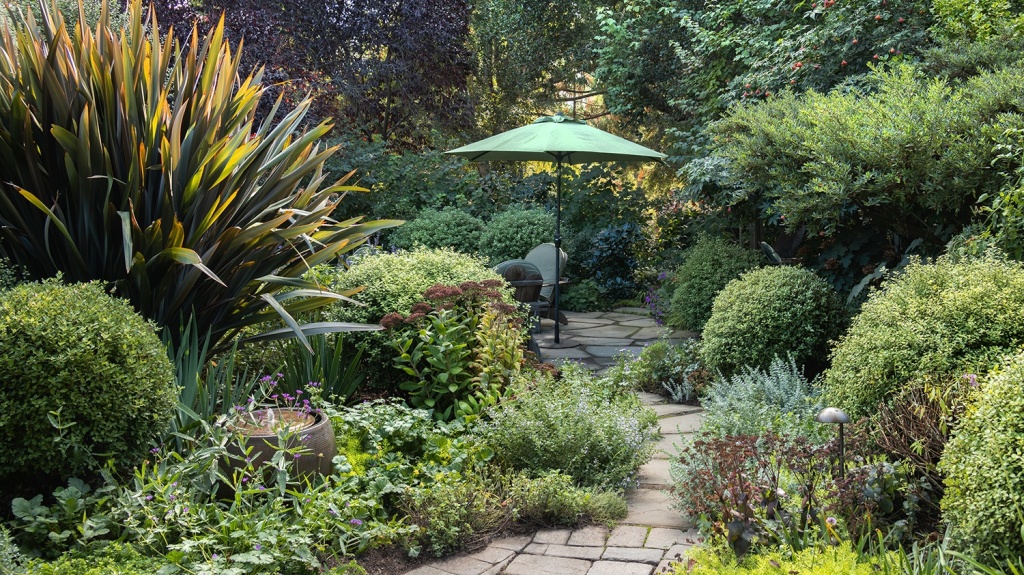
| Description | An open, airy structure distinguishes this small tree or large shrub. The willowy pendant branches display long, narrow leaves highlighted by fragrant, trumpet-shaped, burgundy-pink flowers that will draw hummingbirds into the garden. Lovely addition to xeric or waterwise landscape. Deciduous. |
|---|---|
| Bloom Time | Spring to summer |
| Deciduous/Evergreen | Deciduous |
| Special Features | Attracts Hummingbirds, Easy Care, Improved Pest and Disease Resistance, Waterwise, Attracts Pollinators, Heat Loving, Benefits Birds |
| Problems/Solutions | Drought Tolerant |
| Growth Rate | Moderate |
| Growth Habit | Weeping |
| Flower Attributes | Fragrant, Showy Flowers |
| Landscape Use | Border, Privacy Screen |
| Design Ideas | A beautiful accent tree that easily fits into average beds and borders. Use as a visual screen along property lines to block neighbors without losing much light or air circulation. A stunning single specimen in bloom and under night lighting. Perfect to augment dry xeriscape plantings in open beds with luxurios looks. |
| Flower Color | Red |
| Foliage Color | Green |
| Companion Plants | Rock Rose (Cistus); Agave (Agave); Prickly Pear (Opuntia); Mexican Blue Sage (Salvia); Texas Ranger (Leucophyllum) |
| Care Instructions | Grows easily in a wide range of conditions including alkaline soil, sand, clay and heavy seasonal moisture. Water deeply, regularly during first growing season to establish an extensive root system. Once established, reduce frequency; takes seasonal drought. Apply fertilizer before new growth begins in spring. |
| History | Chilopsis is a shrubby tree native to the deserts from California south into Mexico and east to Texas. It is found in dry washes where it survives on water trapped deep underground. The species flowers are pale pink and trumpet shape indicates its presence in the Bignonia family of trumpet vines. |
| Lore | In the desert, these plants provide valuable hummingbird nectar and are jealously guarded. |
Details
| Description | An open, airy structure distinguishes this small tree or large shrub. The willowy pendant branches display long, narrow leaves highlighted by fragrant, trumpet-shaped, burgundy-pink flowers that will draw hummingbirds into the garden. Lovely addition to xeric or waterwise landscape. Deciduous. |
|---|---|
| Bloom Time | Spring to summer |
| Deciduous/Evergreen | Deciduous |
| Special Features | Attracts Hummingbirds, Easy Care, Improved Pest and Disease Resistance, Waterwise, Attracts Pollinators, Heat Loving, Benefits Birds |
| Problems/Solutions | Drought Tolerant |
| Growth Rate | Moderate |
| Growth Habit | Weeping |
| Flower Attributes | Fragrant, Showy Flowers |
Style
| Landscape Use | Border, Privacy Screen |
|---|---|
| Design Ideas | A beautiful accent tree that easily fits into average beds and borders. Use as a visual screen along property lines to block neighbors without losing much light or air circulation. A stunning single specimen in bloom and under night lighting. Perfect to augment dry xeriscape plantings in open beds with luxurios looks. |
| Flower Color | Red |
| Foliage Color | Green |
| Companion Plants | Rock Rose (Cistus); Agave (Agave); Prickly Pear (Opuntia); Mexican Blue Sage (Salvia); Texas Ranger (Leucophyllum) |
Care
| Care Instructions | Grows easily in a wide range of conditions including alkaline soil, sand, clay and heavy seasonal moisture. Water deeply, regularly during first growing season to establish an extensive root system. Once established, reduce frequency; takes seasonal drought. Apply fertilizer before new growth begins in spring. |
|---|
History
| History | Chilopsis is a shrubby tree native to the deserts from California south into Mexico and east to Texas. It is found in dry washes where it survives on water trapped deep underground. The species flowers are pale pink and trumpet shape indicates its presence in the Bignonia family of trumpet vines. |
|---|---|
| Lore | In the desert, these plants provide valuable hummingbird nectar and are jealously guarded. |
Retailers Near You
About Us
We have been pioneers and craftsmen in the art of growing plants for 100 years. Since our founding in Southern California by Harry E. Rosedale, Sr. in 1926, we have been absolutely dedicated and obsessed with quality.
We have been pioneers and craftsmen in the art of growing plants for nearly 100 years. Since our founding in Southern California by Harry E. Rosedale, Sr. in 1926, we have been absolutely dedicated and obsessed with quality.