
You're growing in this Zip Code:
Change LocationDiscover Plants for Your Area
Platt's Black New Zealand Flax
Phormium 'Platt's Black'
Pronunciation: FOR-mee-um
SKU #01780
LIGHT:
Full sun
WATER:
Once established, water occasionally.
SIZE:
Moderate growing; reaches 3 to 4 ft. tall and wide.

Retailers Near You
Ready to Grow?
Ship Monrovia plants directly to your door. Browse a curated selection available online.
Shop Now >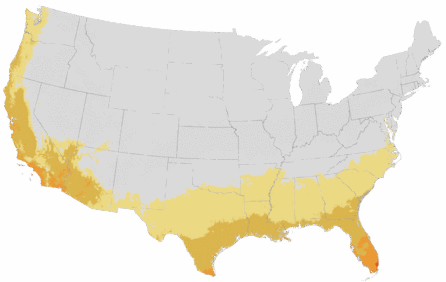
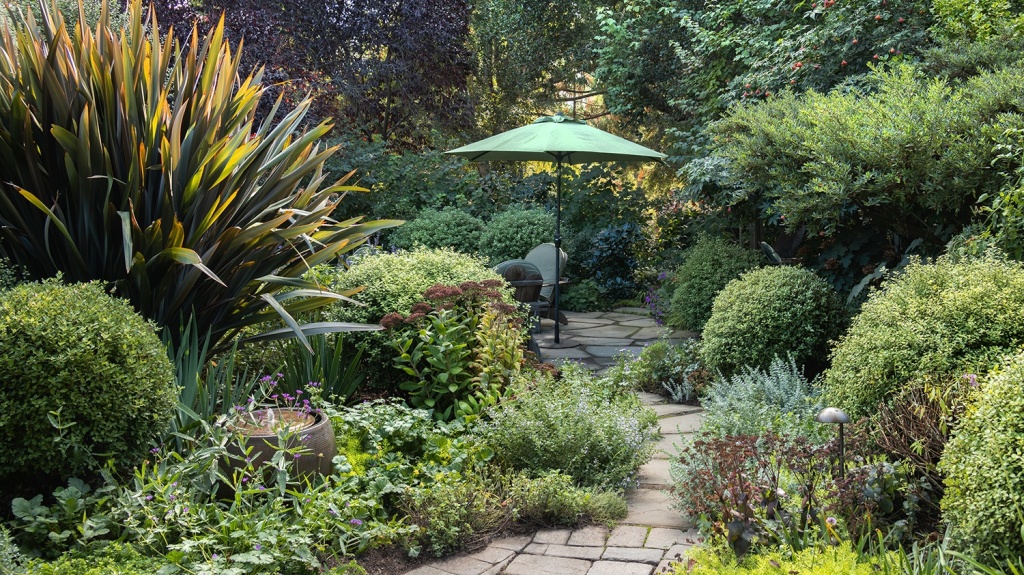
| Description | Possibly the darkest of all Phormium cultivars, Platt's Black makes a dramatic statement when partnered with brightly colored plants. The arching, narrow, lustrous evergreen foliage has a rich chocolate black color. Use as an accent, specimen, container plant or backdrop to add unique color and texture to the landscape. Evergreen. |
|---|---|
| Bloom Time | Occasionally blooms in summer. |
| Deciduous/Evergreen | Evergreen |
| Special Features | Dramatic Foliage Color, Easy Care, Waterwise |
| Problems/Solutions | Coastal Exposure, Deer Resistant |
| Growth Rate | Moderate |
| Landscape Use | Border, Container, Poolside |
| Design Ideas | This vibrant colored flax is well suited to mid-century modern and post modern compositions for dramatic high contrast color and texture. A natural in tropical landscaping with large leaf exotics and hot colored flowers. Use to soften building edges and as foundation planting. Smaller stature makes this one suited to urban and tight suburban settings. It's a powerful way to highlight important places in the garden. In a more naturalistic setting in sizeable landscapes, plant in groups for massive effect. Works particularly well around pools, ponds and rock waterfalls. Makes a striking potted specimen. |
| Flower Color | Pink |
| Foliage Color | Black |
| Companion Plants | Mirror Plant (Coprosma); Canna (Canna); Black-Eyed Susan (Rudbeckia); Butterfly Bush (Buddleja); Bougainvillea (Bougainvillea); Variegated Brush Cherry (Eugenia) |
| Care Instructions | Easily grown in average to fertile, well-drained soil. Water deeply and regularly during the first growing season. Once established, reduce frequency; tolerates moderate drought, particularly in cooler coastal regions. Remove old or damaged foliage as needed for a neat, tidy appearance. Divide clumps every 2 to 3 years in early spring. |
| History | This cultivar was selected by Mr.. Graham Platt of Platt's Nursery, Aukland, New Zealand, where the vast majority of Phormium cultivars develop. This is because the native tui bird of New Zealand is the only pollinator for these uniquely flowered plants. This one was selected from seedlings produced by 'Black Knight'. The genus is classified in the Agave family from which many other fibrous leafed plants are derived. |
| Lore | New Zealand flax plants were used extensively by the indigenous Maori people of that region. The fibers inside the leaves led to the common name, flax, referring to the European fiber plant that is totally unrelated. Maori harvested the fibers and used the to weave cloth, mats and baskets. |
Details
| Description | Possibly the darkest of all Phormium cultivars, Platt's Black makes a dramatic statement when partnered with brightly colored plants. The arching, narrow, lustrous evergreen foliage has a rich chocolate black color. Use as an accent, specimen, container plant or backdrop to add unique color and texture to the landscape. Evergreen. |
|---|---|
| Bloom Time | Occasionally blooms in summer. |
| Deciduous/Evergreen | Evergreen |
| Special Features | Dramatic Foliage Color, Easy Care, Waterwise |
| Problems/Solutions | Coastal Exposure, Deer Resistant |
| Growth Rate | Moderate |
Style
| Landscape Use | Border, Container, Poolside |
|---|---|
| Design Ideas | This vibrant colored flax is well suited to mid-century modern and post modern compositions for dramatic high contrast color and texture. A natural in tropical landscaping with large leaf exotics and hot colored flowers. Use to soften building edges and as foundation planting. Smaller stature makes this one suited to urban and tight suburban settings. It's a powerful way to highlight important places in the garden. In a more naturalistic setting in sizeable landscapes, plant in groups for massive effect. Works particularly well around pools, ponds and rock waterfalls. Makes a striking potted specimen. |
| Flower Color | Pink |
| Foliage Color | Black |
| Companion Plants | Mirror Plant (Coprosma); Canna (Canna); Black-Eyed Susan (Rudbeckia); Butterfly Bush (Buddleja); Bougainvillea (Bougainvillea); Variegated Brush Cherry (Eugenia) |
Care
| Care Instructions | Easily grown in average to fertile, well-drained soil. Water deeply and regularly during the first growing season. Once established, reduce frequency; tolerates moderate drought, particularly in cooler coastal regions. Remove old or damaged foliage as needed for a neat, tidy appearance. Divide clumps every 2 to 3 years in early spring. |
|---|
History
| History | This cultivar was selected by Mr.. Graham Platt of Platt's Nursery, Aukland, New Zealand, where the vast majority of Phormium cultivars develop. This is because the native tui bird of New Zealand is the only pollinator for these uniquely flowered plants. This one was selected from seedlings produced by 'Black Knight'. The genus is classified in the Agave family from which many other fibrous leafed plants are derived. |
|---|---|
| Lore | New Zealand flax plants were used extensively by the indigenous Maori people of that region. The fibers inside the leaves led to the common name, flax, referring to the European fiber plant that is totally unrelated. Maori harvested the fibers and used the to weave cloth, mats and baskets. |
Retailers Near You
About Us
We have been pioneers and craftsmen in the art of growing plants for 100 years. Since our founding in Southern California by Harry E. Rosedale, Sr. in 1926, we have been absolutely dedicated and obsessed with quality.
We have been pioneers and craftsmen in the art of growing plants for nearly 100 years. Since our founding in Southern California by Harry E. Rosedale, Sr. in 1926, we have been absolutely dedicated and obsessed with quality.