
You're growing in this Zip Code:
Change LocationDiscover Plants for Your Area
Exclusive
Purple Potion® Agapanthus
Agapanthus inapertus 'HinGrkop' PPAF
Pronunciation: ag-uh-PANTH-us in-ap-ER-tus
SKU #41740
LIGHT:
Full sun
WATER:
Water when top 3 inches of soil is dry.
SIZE:
Reaches 12 in. tall, 20 in. wide; blooms reach 26 in. tall.

Retailers Near You

| Description | This evergreen perennial steals the show with clusters of deep violet blooms- a shade unique for agapanthus. Selected for increased hardiness and sturdy stems that hold the flowers upright without flopping. Adds lush texture and stunning color at rear or mid-border, or plant en masse for a dramatic effect. |
|---|---|
| Bloom Time | Summer |
| Deciduous/Evergreen | Evergreen |
| Special Features | Attracts Hummingbirds, Easy Care, Waterwise, Attracts Pollinators |
| Problems/Solutions | Coastal Exposure, Erosion Control |
| Growth Rate | Moderate |
| Growth Habit | Clumping |
| Flower Attributes | Flowers for Cutting, Showy Flowers |
| Patent Act | Asexual reproduction of plants protected by the Plant Patent Act is prohibited during the life of the patent. |
| Landscape Use | Border, Container, Poolside, Edging |
| Design Ideas | A reliable lush foliage plant for massing over large areas with bright green foliage. Uniform growth makes it suited for formal edging along walks, lawns and driveways. Creates a more naturalistic edge when used along flagstones. Cloak bare legs under tropical looking plants such as palms. Rounded form is attractive as a single, in containers, or as irregular groups. |
| Foliage Color | Green |
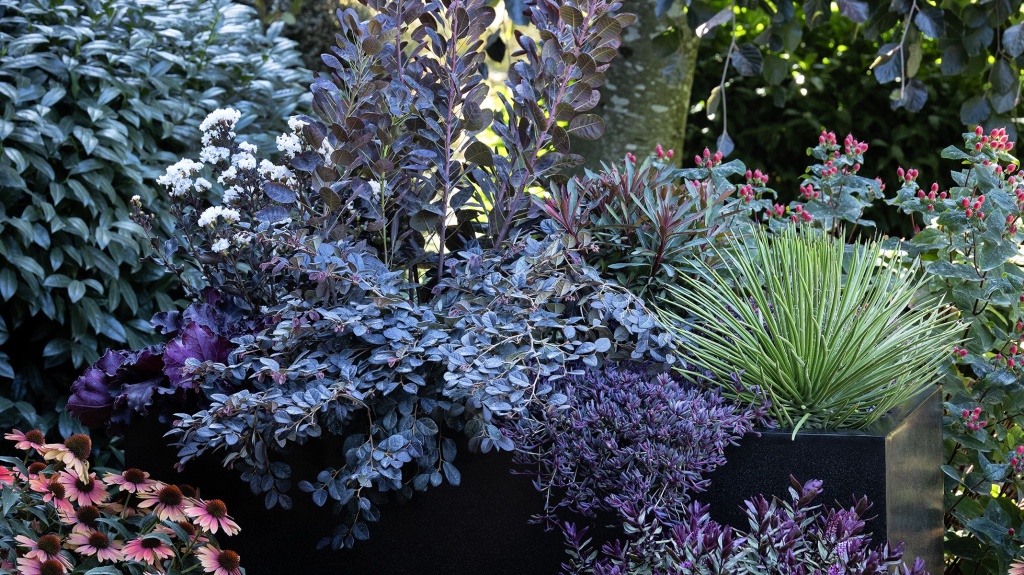
| Companion Plants | Pittosporum (Pittosporum); Shasta Daisy (Chrysanthemum); Pink (Dianthus); Daylily (Hemerocallis); Society Garlic (Tulbaghia violacea) |
| Care Instructions | Easily grown in average, well-drained soils. Water deeply, regularly in first growing season to establish root system. Once established, reduce frequency; tolerates mild drought. Feed before new growth begins in spring; repeat after flowering. Blooms best when undisturbed, but may be divided when overcrowded. |
| History | Agapanthus is one of the better-known plants hailing from South Africa, first mentioned in literature in the late 1600's. Agapanthus inapertus is found in the forest margins, mountains, and grasslands of southern Africa. The naturally occurring subspecies Agapanthus inapertus subsp. pendulus 'Graskop' was found northeast Transvaal, in the Grasveld, a high-lying plateau (5000 ft. above sea level) that makes up much of the interior of South Africa, and is named after the nearby town of Graskop. Agapanthus inapterus 'HinGrkop' originated from seeds collected by plant explorer Daniel J. Hinkley for Monrovia. The new plant was chosen from a selected group of the seedlings, which were grown at Monrovia Nursery, trialed and evaluated for performance, flower color and form for several years, resulting in this final selection. |
Details
| Description | This evergreen perennial steals the show with clusters of deep violet blooms- a shade unique for agapanthus. Selected for increased hardiness and sturdy stems that hold the flowers upright without flopping. Adds lush texture and stunning color at rear or mid-border, or plant en masse for a dramatic effect. |
|---|---|
| Bloom Time | Summer |
| Deciduous/Evergreen | Evergreen |
| Special Features | Attracts Hummingbirds, Easy Care, Waterwise, Attracts Pollinators |
| Problems/Solutions | Coastal Exposure, Erosion Control |
| Growth Rate | Moderate |
| Growth Habit | Clumping |
| Flower Attributes | Flowers for Cutting, Showy Flowers |
| Patent Act | Asexual reproduction of plants protected by the Plant Patent Act is prohibited during the life of the patent. |
Style
| Landscape Use | Border, Container, Poolside, Edging |
|---|---|
| Design Ideas | A reliable lush foliage plant for massing over large areas with bright green foliage. Uniform growth makes it suited for formal edging along walks, lawns and driveways. Creates a more naturalistic edge when used along flagstones. Cloak bare legs under tropical looking plants such as palms. Rounded form is attractive as a single, in containers, or as irregular groups. |
| Foliage Color | Green |
| Companion Plants | Pittosporum (Pittosporum); Shasta Daisy (Chrysanthemum); Pink (Dianthus); Daylily (Hemerocallis); Society Garlic (Tulbaghia violacea) |
Care
| Care Instructions | Easily grown in average, well-drained soils. Water deeply, regularly in first growing season to establish root system. Once established, reduce frequency; tolerates mild drought. Feed before new growth begins in spring; repeat after flowering. Blooms best when undisturbed, but may be divided when overcrowded. |
|---|
History
| History | Agapanthus is one of the better-known plants hailing from South Africa, first mentioned in literature in the late 1600's. Agapanthus inapertus is found in the forest margins, mountains, and grasslands of southern Africa. The naturally occurring subspecies Agapanthus inapertus subsp. pendulus 'Graskop' was found northeast Transvaal, in the Grasveld, a high-lying plateau (5000 ft. above sea level) that makes up much of the interior of South Africa, and is named after the nearby town of Graskop. Agapanthus inapterus 'HinGrkop' originated from seeds collected by plant explorer Daniel J. Hinkley for Monrovia. The new plant was chosen from a selected group of the seedlings, which were grown at Monrovia Nursery, trialed and evaluated for performance, flower color and form for several years, resulting in this final selection. |
|---|
Retailers Near You
About Us
We have been pioneers and craftsmen in the art of growing plants for 100 years. Since our founding in Southern California by Harry E. Rosedale, Sr. in 1926, we have been absolutely dedicated and obsessed with quality.
We have been pioneers and craftsmen in the art of growing plants for nearly 100 years. Since our founding in Southern California by Harry E. Rosedale, Sr. in 1926, we have been absolutely dedicated and obsessed with quality.