
You're growing in this Zip Code:
Discover Plants for Your Area

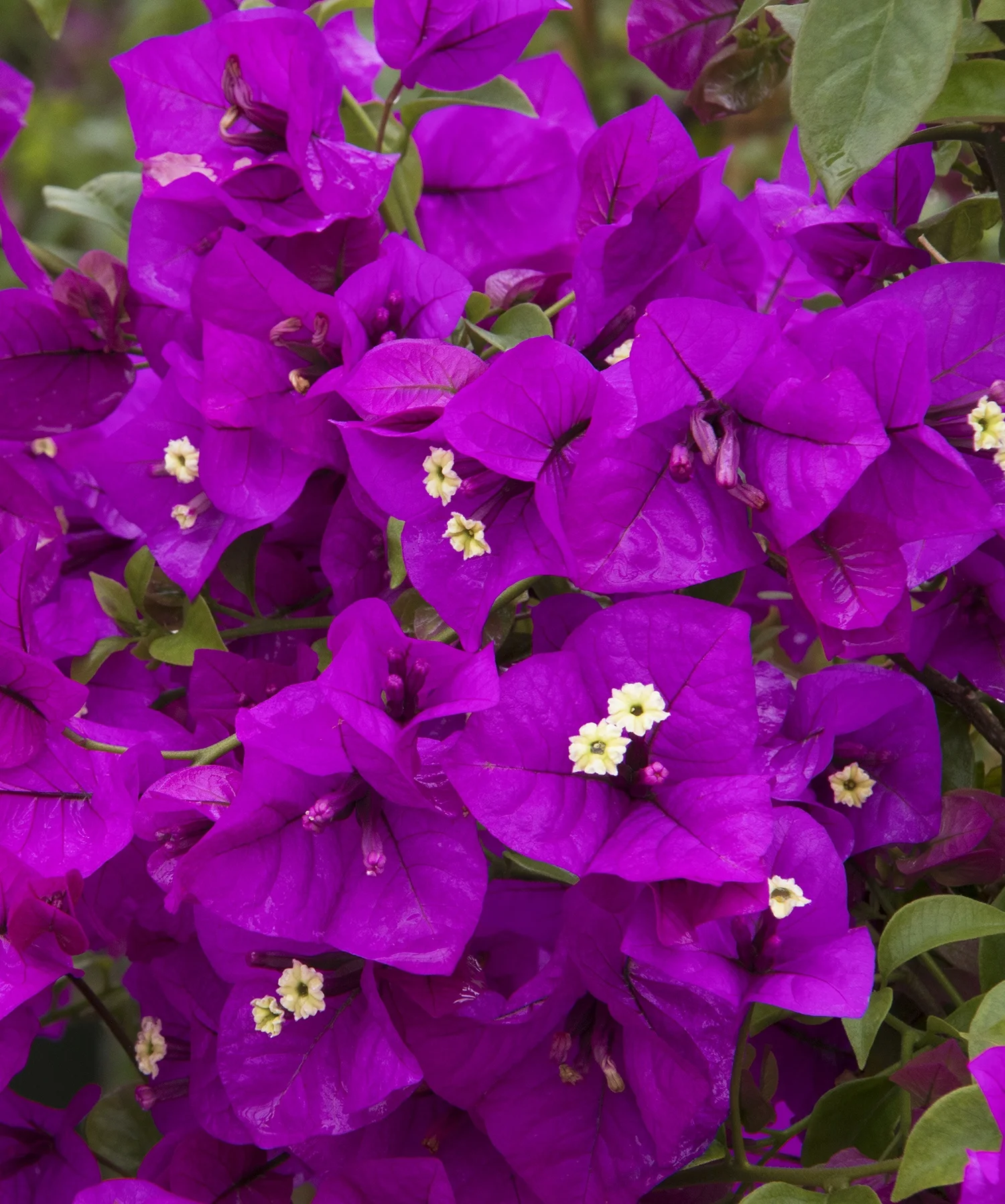
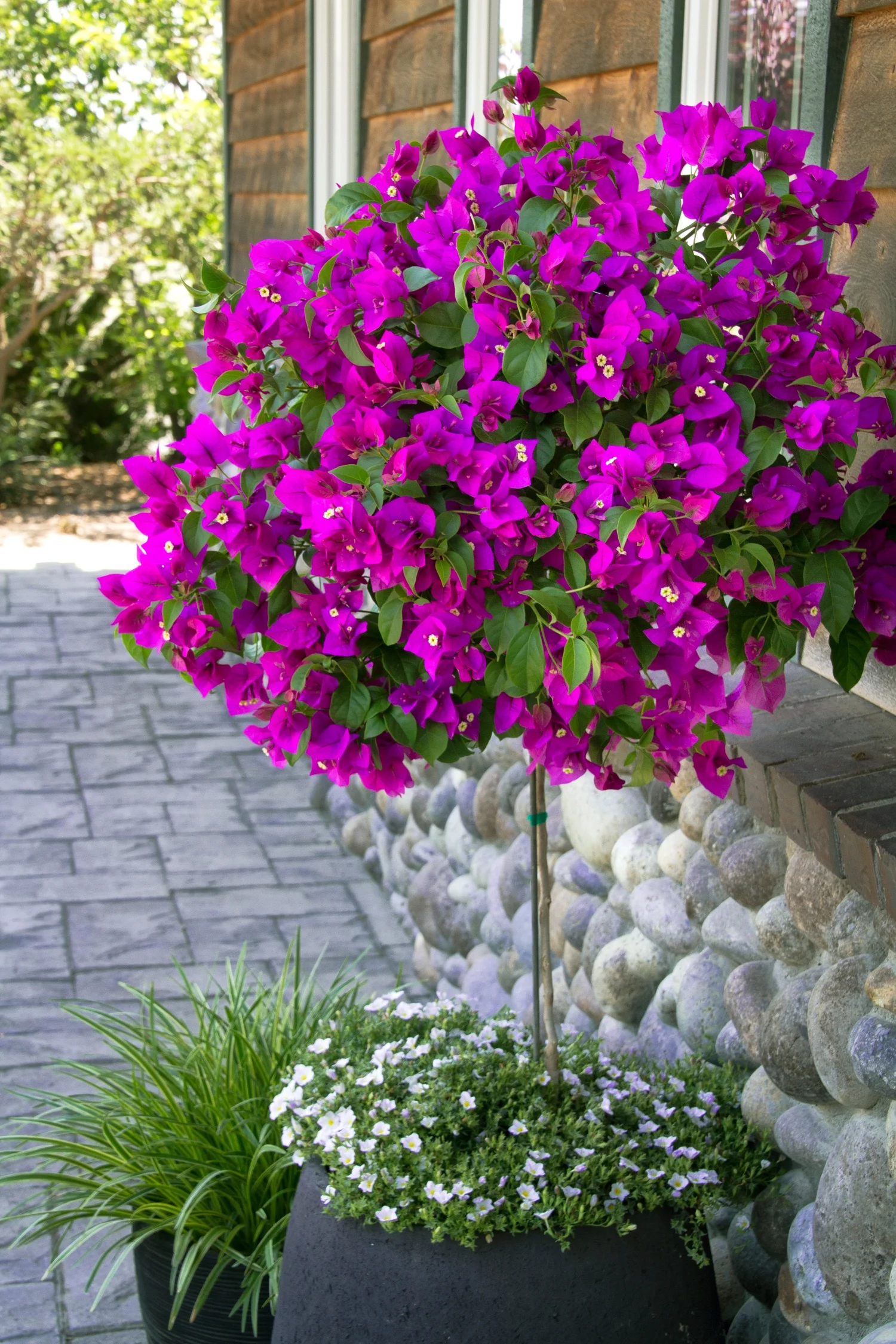
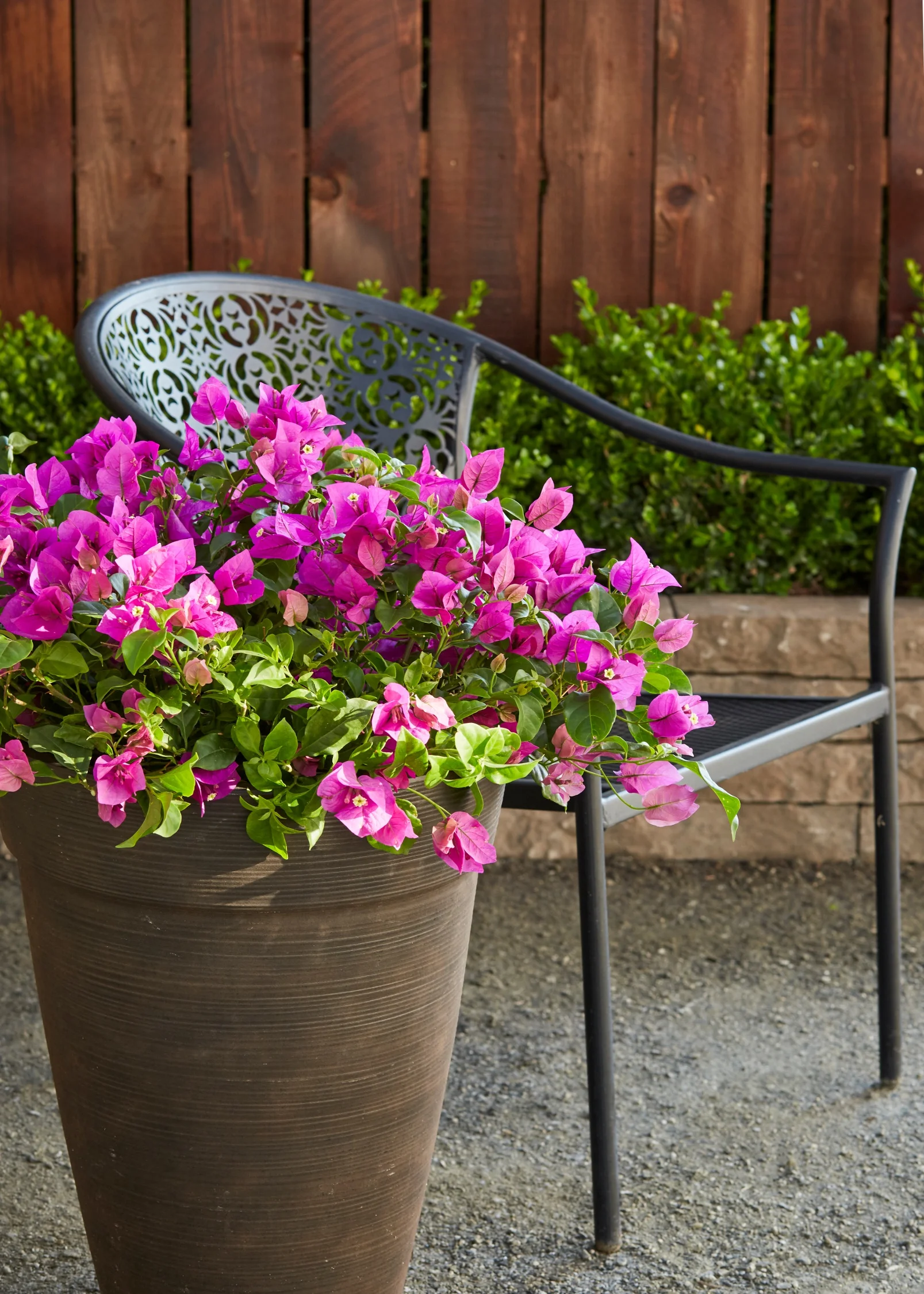
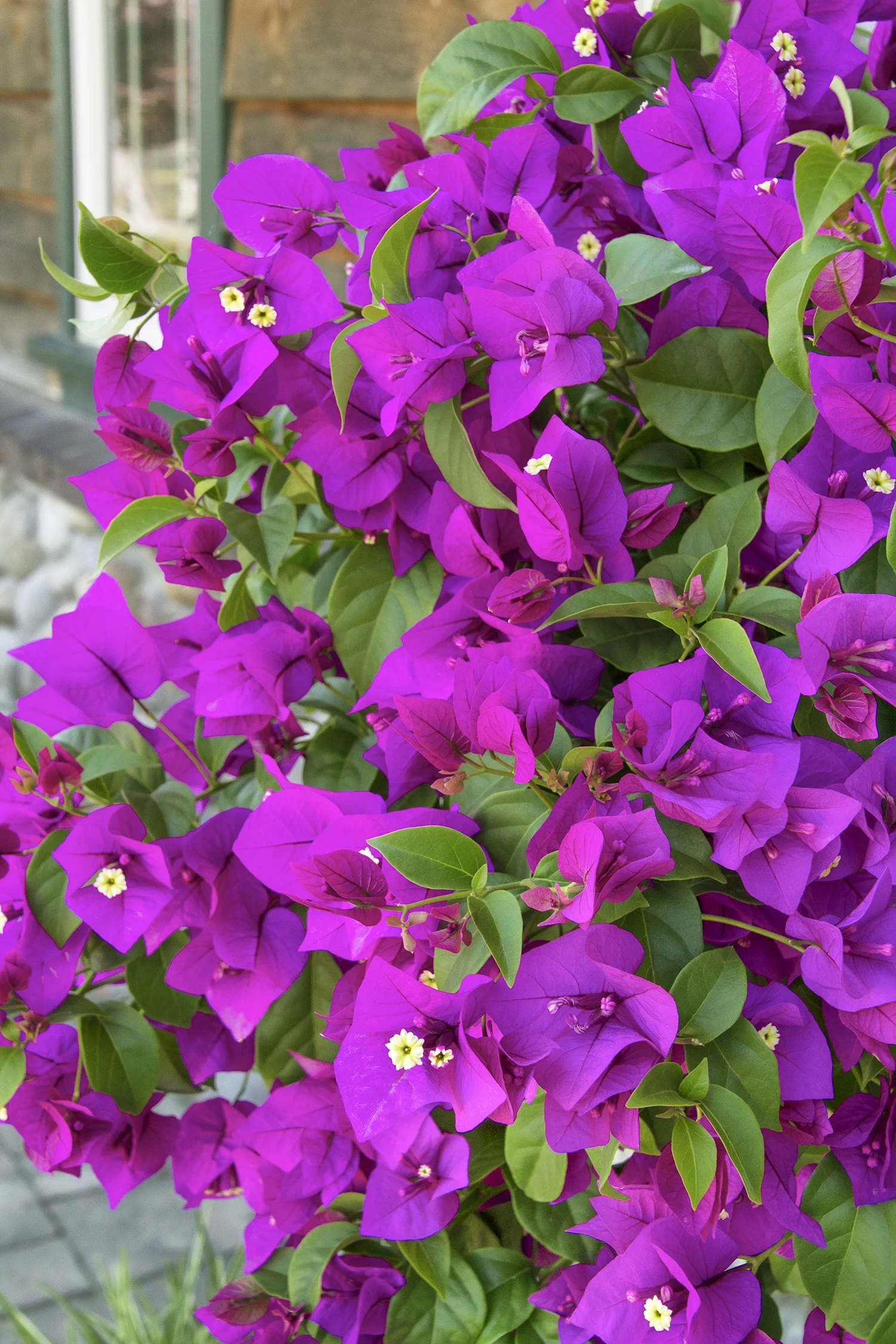
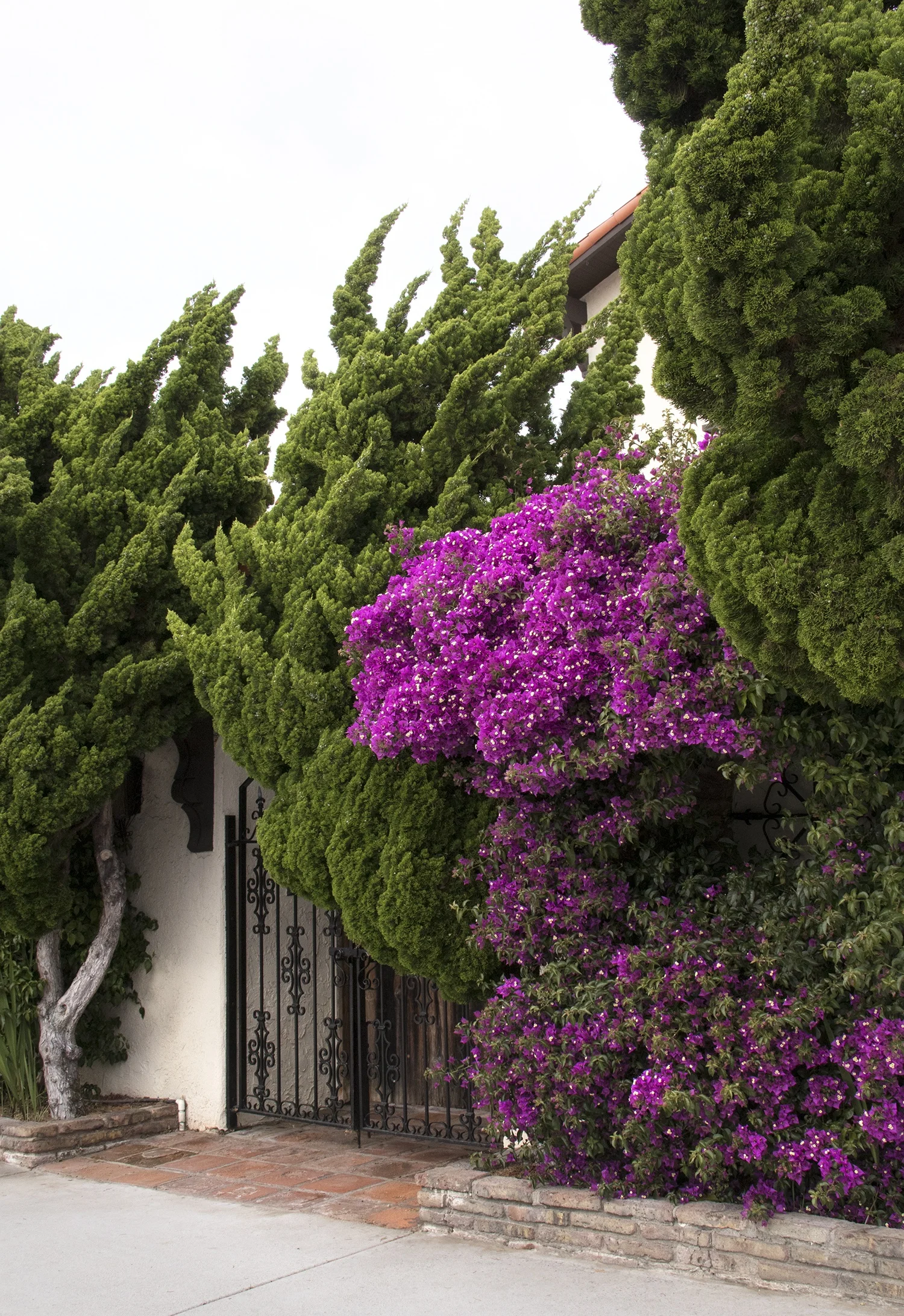
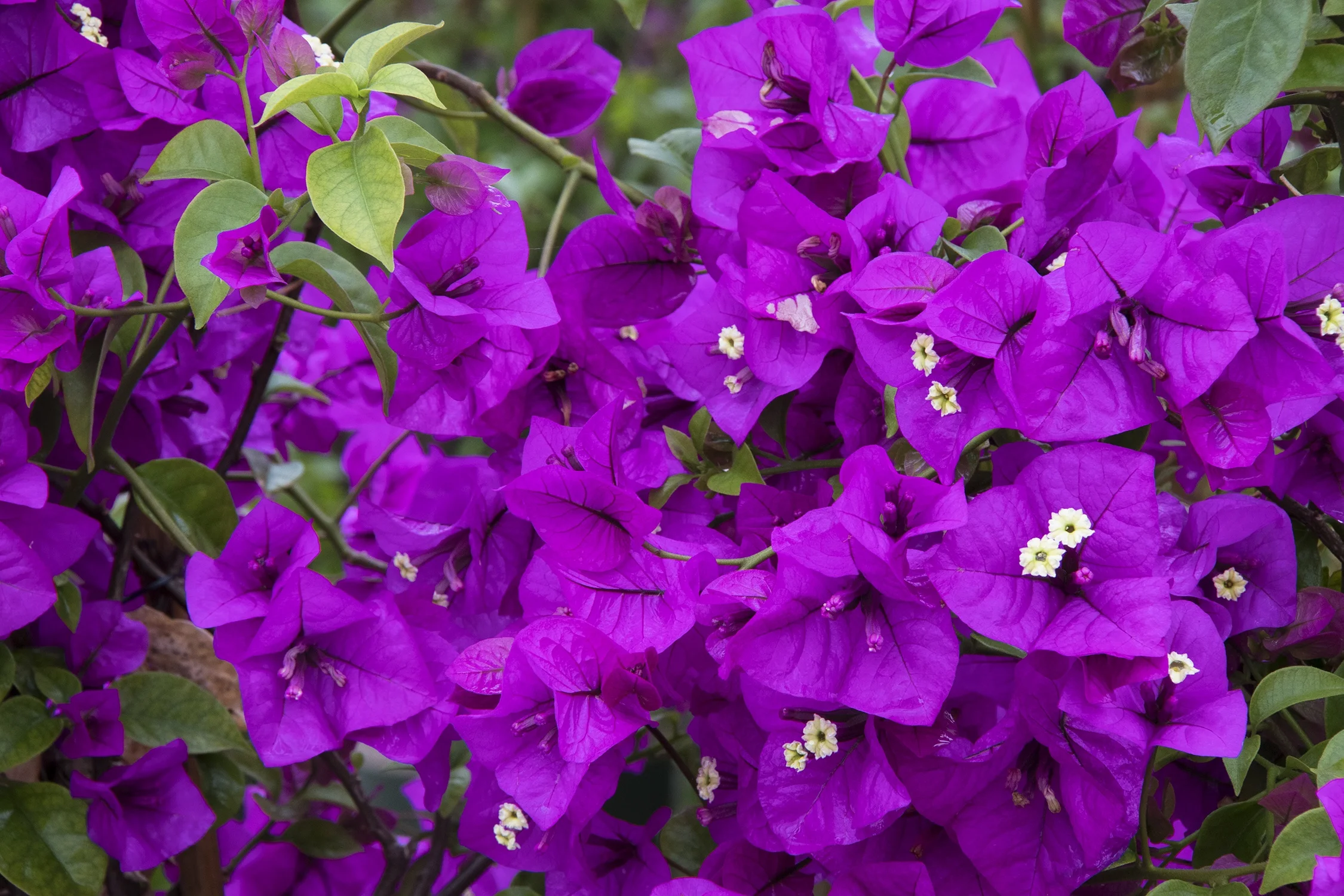
Purple Queen® Bougainvillea
Bougainvillea 'Moneth'
Pronunciation: boo-gan-VIL-lee-uh
SKU #01305
LIGHT:
Full sun
WATER:
Water deeply when soil is dry.
SIZE:
Climbs 15 ft. tall with support; 1 to 2 ft. tall, 8 ft. wide as groundcover.

Retailers Near You
Ready to Grow?
Ship Monrovia plants directly to your door. Browse a curated selection available online.
Shop Now >This Plant's Growing Zones: 10-11
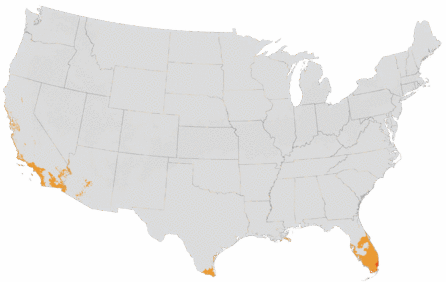
Your USDA Cold Hardiness Zone:
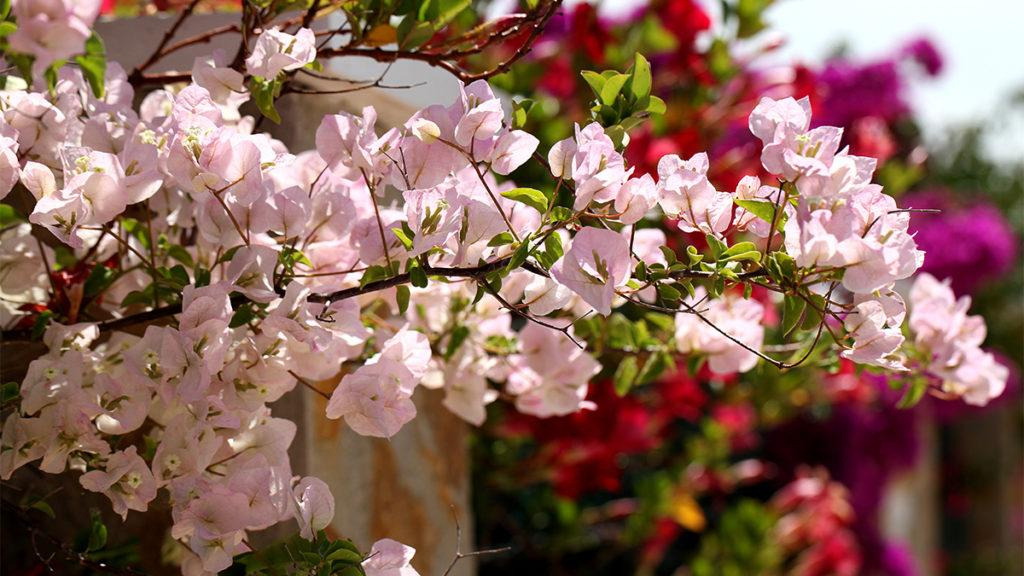

| Description | Rich, deep purple, petal-like bracts are displayed against handsome, deep green foliage. A wonderful compact, upright and spreading form that works well in planter boxes, and on fences and arbors. Evergreen in frost-free areas; use as a colorful annual in cooler northern zones. |
|---|---|
| Bloom Time | Summer; longer in frost-free areas. |
| Deciduous/Evergreen | Evergreen |
| Special Features | Easy Care, Waterwise, Attracts Pollinators, Heat Loving, Fast Growing, Compact Form |
| Problems/Solutions | Coastal Exposure, Erosion Control, Tolerates Urban Pollution |
| Growth Rate | Moderate |
| Growth Habit | Spreading |
| Flower Attributes | Long Bloom Season, Showy Flowers |
| Landscape Use | Barrier, Container, Espalier, Privacy Screen, Ground Cover |
| Design Ideas | Use this vine as a blooming groundcover or on a trellis. It can be grown in a container with support or allowed to drape over the side for an exotic look. Plant on banks and slopes for an avalanche of color or allow to drape over the edge of retaining walls. |
| Flower Color | Purple |
| Foliage Color | Green |
| Companion Plants | Lantana (Lantana); Cordyline (Cordyline); Evergreen Clematis (Clematis); Salvia (Salvia); Upright Juniper (Juniperus) |
| Care Instructions | Provide average to lean, fast draining soil. USE CAUTION not to damage roots when planting. Water deeply and regularly during the first growing season to establish an extensive root system. Once established in the landscape, reduce frequency; water container plants regularly, when top 3 in. of soil are dry. Feed in spring. |
| History | Purple Queen is one of the finest new bougainvillea cultivars introduced by Monrovia. It's history descends through a convoluted ancestry involving three South American species from Brazil including B. spectabilis, B. glabra and B. peruviana. The genus comprises 14 species of spiny shrubs, trees and vines. It was named after the famous French explorer, Louis-antoine de Bougainville, who circumnavigated the globe on a three year journey from 1766-1769. On that trip he was the first European to land on the Solomon Islands, and there his naturalists from the ship discovered the great woody vines and named them after the captain. |
| Lore | A tea of bougainvillea flowers is used in Mexican folk medicine to treat cough. Leaves of the species B. spectabilis is a source of a newly discovered compound, pinitol, used to treat some metabolic diseases such as insulin resistant diabetes. |
Details
| Description | Rich, deep purple, petal-like bracts are displayed against handsome, deep green foliage. A wonderful compact, upright and spreading form that works well in planter boxes, and on fences and arbors. Evergreen in frost-free areas; use as a colorful annual in cooler northern zones. |
|---|---|
| Bloom Time | Summer; longer in frost-free areas. |
| Deciduous/Evergreen | Evergreen |
| Special Features | Easy Care, Waterwise, Attracts Pollinators, Heat Loving, Fast Growing, Compact Form |
| Problems/Solutions | Coastal Exposure, Erosion Control, Tolerates Urban Pollution |
| Growth Rate | Moderate |
| Growth Habit | Spreading |
| Flower Attributes | Long Bloom Season, Showy Flowers |
Style
| Landscape Use | Barrier, Container, Espalier, Privacy Screen, Ground Cover |
|---|---|
| Design Ideas | Use this vine as a blooming groundcover or on a trellis. It can be grown in a container with support or allowed to drape over the side for an exotic look. Plant on banks and slopes for an avalanche of color or allow to drape over the edge of retaining walls. |
| Flower Color | Purple |
| Foliage Color | Green |
| Companion Plants | Lantana (Lantana); Cordyline (Cordyline); Evergreen Clematis (Clematis); Salvia (Salvia); Upright Juniper (Juniperus) |
Care
| Care Instructions | Provide average to lean, fast draining soil. USE CAUTION not to damage roots when planting. Water deeply and regularly during the first growing season to establish an extensive root system. Once established in the landscape, reduce frequency; water container plants regularly, when top 3 in. of soil are dry. Feed in spring. |
|---|
History
| History | Purple Queen is one of the finest new bougainvillea cultivars introduced by Monrovia. It's history descends through a convoluted ancestry involving three South American species from Brazil including B. spectabilis, B. glabra and B. peruviana. The genus comprises 14 species of spiny shrubs, trees and vines. It was named after the famous French explorer, Louis-antoine de Bougainville, who circumnavigated the globe on a three year journey from 1766-1769. On that trip he was the first European to land on the Solomon Islands, and there his naturalists from the ship discovered the great woody vines and named them after the captain. |
|---|---|
| Lore | A tea of bougainvillea flowers is used in Mexican folk medicine to treat cough. Leaves of the species B. spectabilis is a source of a newly discovered compound, pinitol, used to treat some metabolic diseases such as insulin resistant diabetes. |
Retailers Near You
About Us
We have been pioneers and craftsmen in the art of growing plants for 100 years. Since our founding in Southern California by Harry E. Rosedale, Sr. in 1926, we have been absolutely dedicated and obsessed with quality.
We have been pioneers and craftsmen in the art of growing plants for nearly 100 years. Since our founding in Southern California by Harry E. Rosedale, Sr. in 1926, we have been absolutely dedicated and obsessed with quality.