
You're growing in this Zip Code:
Change LocationDiscover Plants for Your Area
Purple Rock Rose
Cistus x purpureus
Pronunciation: SIS-tus pur-PUR-ee-us
SKU #02460
LIGHT:
Full sun
WATER:
Once established water during dry spells.
SIZE:
Moderate growing; reaches 4 ft. tall, 4 to 6 ft. wide.

Retailers Near You
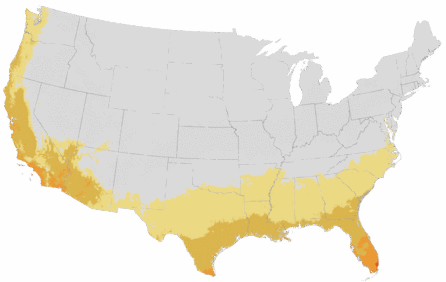

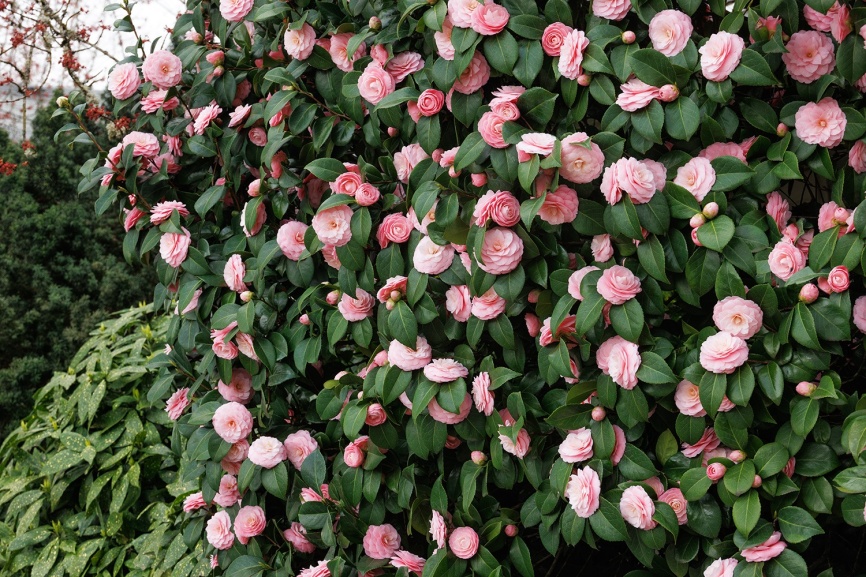
| Description | A tidy, compact, sun and heat-loving shrub with showy rose-purple blooms with maroon spots. Tolerates drought, poor soil, even some neglect! Terrific as a rock garden accent, for mass plantings, or for use as an informal divider. Evergreen. |
|---|---|
| Bloom Time | Late spring into summer |
| Deciduous/Evergreen | Evergreen |
| Special Features | Easy Care, Improved Pest and Disease Resistance, Waterwise, Attracts Pollinators, Compact Form |
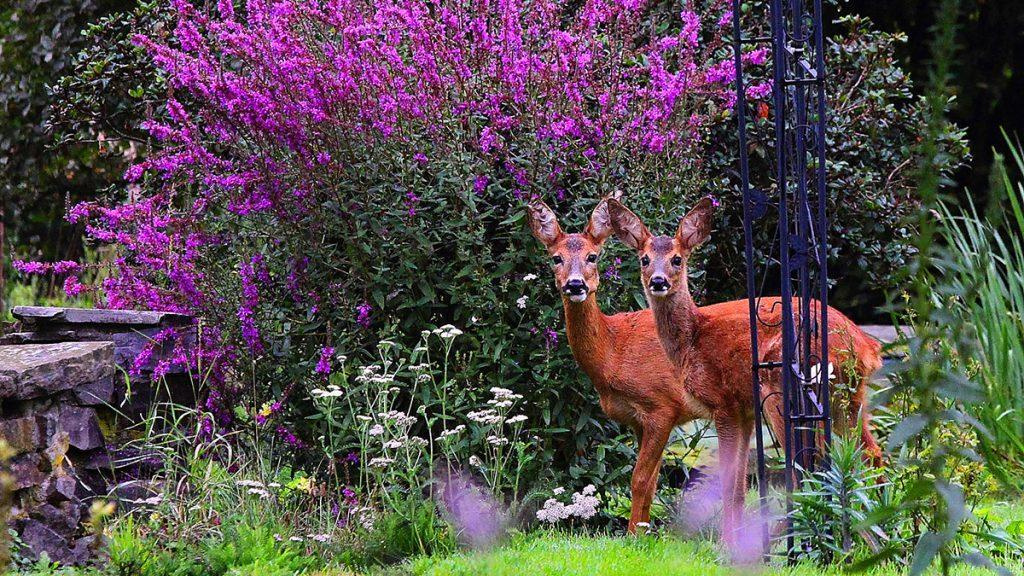
| Problems/Solutions | Coastal Exposure, Deer Resistant, Erosion Control, Drought Tolerant |
| Growth Rate | Moderate |
| Growth Habit | Rounded |
| Flower Attributes | Showy Flowers |
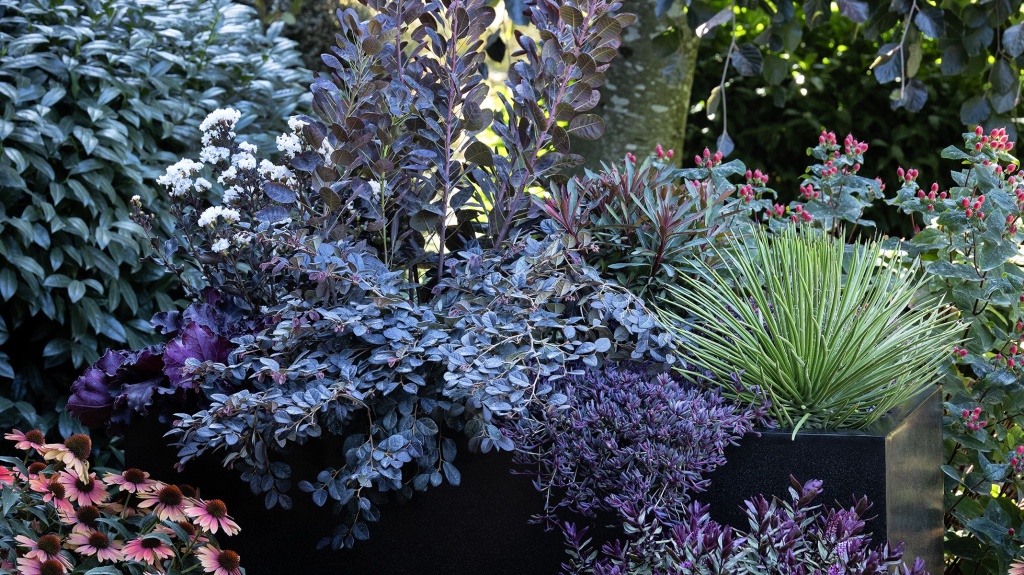
| Landscape Use | Border, Container, Hedge |
| Design Ideas | This popular Rock Rose is at home in the traditional landscape and the rugged dryland garden. Beautiful in bloom, it looks fine as a single specimen or in a group to fill overly large planting areas. Makes a heat-tolerant background and foundation plant for full sun plantings. Fits along fence lines and spreads enough to be a filler too. Its muted foliage color and unique textural quality is valuable for complementing rugged conifers and wild-looking perennials. Even does exceptionally well in the reflected heat street side or along the driveway. |
| Flower Color | Purple |
| Foliage Color | Green |
| Companion Plants | Aloe (Aloe); Hens and Chicks (Sempervivum); Yarrow (Achillea); Sedum (Sedum); Red Yucca (Hesperaloe); Kalanchoe (Kalanchoe) |
| Care Instructions | Grows easily in average to poor, well-drained soils. Water deeply, regularly during the first growing season to establish an extensive root system. Once established, reduce frequency; tolerates moderate drought. Apply a general purpose fertilizer before new growth begins in spring. For a formal appearance, prune annually after flowering. |
| History | Oil rich rockroses cloak the arid Mediterranean region from Portugal to Italy. Early breeders of the 1820s sought to coax more cold hardy plants for cultivation in the north for oil production. Later M. Edouard Bernet of Antibes became the Cistus specialist and between 1860 and 1875 he was responsible for over 230 new cultivars. Though long out of favor as the demand for oil evaporated, only the ornamental varieties such as C. x purpureus remain in cultivation. |
| Lore | Oil harvested from the rockrose plants was known as labdanum, a valuable alternative to rare whale ambergris in the ancient perfume trade. |
Details
| Description | A tidy, compact, sun and heat-loving shrub with showy rose-purple blooms with maroon spots. Tolerates drought, poor soil, even some neglect! Terrific as a rock garden accent, for mass plantings, or for use as an informal divider. Evergreen. |
|---|---|
| Bloom Time | Late spring into summer |
| Deciduous/Evergreen | Evergreen |
| Special Features | Easy Care, Improved Pest and Disease Resistance, Waterwise, Attracts Pollinators, Compact Form |
| Problems/Solutions | Coastal Exposure, Deer Resistant, Erosion Control, Drought Tolerant |
| Growth Rate | Moderate |
| Growth Habit | Rounded |
| Flower Attributes | Showy Flowers |
Style
| Landscape Use | Border, Container, Hedge |
|---|---|
| Design Ideas | This popular Rock Rose is at home in the traditional landscape and the rugged dryland garden. Beautiful in bloom, it looks fine as a single specimen or in a group to fill overly large planting areas. Makes a heat-tolerant background and foundation plant for full sun plantings. Fits along fence lines and spreads enough to be a filler too. Its muted foliage color and unique textural quality is valuable for complementing rugged conifers and wild-looking perennials. Even does exceptionally well in the reflected heat street side or along the driveway. |
| Flower Color | Purple |
| Foliage Color | Green |
| Companion Plants | Aloe (Aloe); Hens and Chicks (Sempervivum); Yarrow (Achillea); Sedum (Sedum); Red Yucca (Hesperaloe); Kalanchoe (Kalanchoe) |
Care
| Care Instructions | Grows easily in average to poor, well-drained soils. Water deeply, regularly during the first growing season to establish an extensive root system. Once established, reduce frequency; tolerates moderate drought. Apply a general purpose fertilizer before new growth begins in spring. For a formal appearance, prune annually after flowering. |
|---|
History
| History | Oil rich rockroses cloak the arid Mediterranean region from Portugal to Italy. Early breeders of the 1820s sought to coax more cold hardy plants for cultivation in the north for oil production. Later M. Edouard Bernet of Antibes became the Cistus specialist and between 1860 and 1875 he was responsible for over 230 new cultivars. Though long out of favor as the demand for oil evaporated, only the ornamental varieties such as C. x purpureus remain in cultivation. |
|---|---|
| Lore | Oil harvested from the rockrose plants was known as labdanum, a valuable alternative to rare whale ambergris in the ancient perfume trade. |
Retailers Near You
About Us
We have been pioneers and craftsmen in the art of growing plants for 100 years. Since our founding in Southern California by Harry E. Rosedale, Sr. in 1926, we have been absolutely dedicated and obsessed with quality.
We have been pioneers and craftsmen in the art of growing plants for nearly 100 years. Since our founding in Southern California by Harry E. Rosedale, Sr. in 1926, we have been absolutely dedicated and obsessed with quality.