
You're growing in this Zip Code:
Change LocationDiscover Plants for Your Area
Raspberry Lemonade™ Ninebark
Physocarpus opulifolius 'ZLEYel2' PP #31,198
Pronunciation: fy-so-KAR-pus op-yoo-lih-FOH-lee-us
SKU #43179
LIGHT:
Full sun
WATER:
Water when top 2 inches of soil is dry.
SIZE:
Reaches 4 ft. tall and wide.

Retailers Near You
| Description | The perfect ninebark for smaller spaces and urban gardens, with a compact, dense, mounding habit that needs minimal pruning. Fine-textured, bright chartreuse foliage greets spring, quickly filling in to provide a lush backdrop for abundant white flowers in summer, followed by a stunning display of ornamental coral-red fruits. Deciduous. |
|---|---|
| Bloom Time | Summer |
| Deciduous/Evergreen | Deciduous |
| Special Features | Attractive Bark, Attracts Butterflies, Easy Care, Showy Fruit, Waterwise, Attracts Pollinators, Benefits Birds |
| Growth Rate | Moderate |
| Flower Attributes | Showy Flowers |
| Patent Act | Asexual reproduction of plants protected by the Plant Patent Act is prohibited during the life of the patent. |
| Landscape Use | Border, Hedge, Privacy Screen |
| Design Ideas | Ninebark is a beautiful native shrub that is ideal for the Pacific Northwest and other moist areas prone to acidic soils. Its great fall color and unique winter bark display make it a good background plant for beds and borders. It's a natural as a single specimen for sunny spots of woodland or wild gardens. An excellent choice for all native and wildlife gardens where seasonal changes and habitat are crucial. This variety is compact enough to fit in today's smaller gardens and urban outdoor spaces, holding its dense habit and compact shape without any heavy pruning. A showy and versatile addition to any landscape, and ideal for planting in mass in larger spaces. |
| Flower Color | White |
| Foliage Color | Light Green |
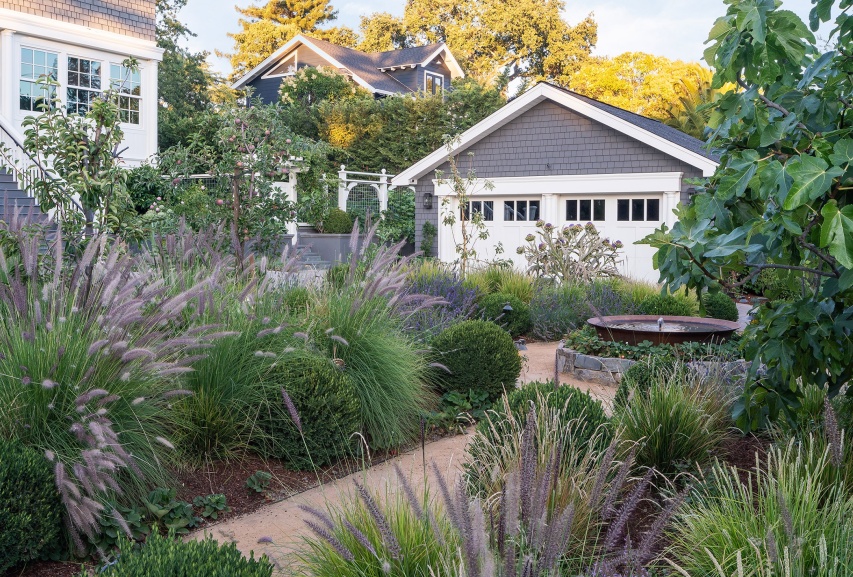
| Companion Plants | Fountain Grass (Pennisetum); Spirea (Spiraea); Boxwood (Buxus); Blue Spruce (Picea); Weigela (Weigela) |
| Care Instructions | Thrives in average, slightly acidic, well-drained soils, but very adaptable. Best color in full sun; avoid extreme heat and humidity. Water deeply, regularly during first growing season to establish an extensive root system; once established, reduce frequency. Fertilize in spring. Blooms on old wood; prune after flowering to maintain shape. |
| Lore | The common name of Ninebark comes from the appearance of the bark which is peels away in layers. Native to North America. The inner bark was brewed into a pain reliever and remedy for many other maladies by Native American tribes within this plant's range. Roots were sometimes steam cooked and eaten and plants were used as charms to cause bad luck. |
Details
| Description | The perfect ninebark for smaller spaces and urban gardens, with a compact, dense, mounding habit that needs minimal pruning. Fine-textured, bright chartreuse foliage greets spring, quickly filling in to provide a lush backdrop for abundant white flowers in summer, followed by a stunning display of ornamental coral-red fruits. Deciduous. |
|---|---|
| Bloom Time | Summer |
| Deciduous/Evergreen | Deciduous |
| Special Features | Attractive Bark, Attracts Butterflies, Easy Care, Showy Fruit, Waterwise, Attracts Pollinators, Benefits Birds |
| Growth Rate | Moderate |
| Flower Attributes | Showy Flowers |
| Patent Act | Asexual reproduction of plants protected by the Plant Patent Act is prohibited during the life of the patent. |
Style
| Landscape Use | Border, Hedge, Privacy Screen |
|---|---|
| Design Ideas | Ninebark is a beautiful native shrub that is ideal for the Pacific Northwest and other moist areas prone to acidic soils. Its great fall color and unique winter bark display make it a good background plant for beds and borders. It's a natural as a single specimen for sunny spots of woodland or wild gardens. An excellent choice for all native and wildlife gardens where seasonal changes and habitat are crucial. This variety is compact enough to fit in today's smaller gardens and urban outdoor spaces, holding its dense habit and compact shape without any heavy pruning. A showy and versatile addition to any landscape, and ideal for planting in mass in larger spaces. |
| Flower Color | White |
| Foliage Color | Light Green |
| Companion Plants | Fountain Grass (Pennisetum); Spirea (Spiraea); Boxwood (Buxus); Blue Spruce (Picea); Weigela (Weigela) |
Care
| Care Instructions | Thrives in average, slightly acidic, well-drained soils, but very adaptable. Best color in full sun; avoid extreme heat and humidity. Water deeply, regularly during first growing season to establish an extensive root system; once established, reduce frequency. Fertilize in spring. Blooms on old wood; prune after flowering to maintain shape. |
|---|
History
| Lore | The common name of Ninebark comes from the appearance of the bark which is peels away in layers. Native to North America. The inner bark was brewed into a pain reliever and remedy for many other maladies by Native American tribes within this plant's range. Roots were sometimes steam cooked and eaten and plants were used as charms to cause bad luck. |
|---|
Retailers Near You
About Us
We have been pioneers and craftsmen in the art of growing plants for 100 years. Since our founding in Southern California by Harry E. Rosedale, Sr. in 1926, we have been absolutely dedicated and obsessed with quality.
We have been pioneers and craftsmen in the art of growing plants for nearly 100 years. Since our founding in Southern California by Harry E. Rosedale, Sr. in 1926, we have been absolutely dedicated and obsessed with quality.