
You're growing in this Zip Code:
Change LocationDiscover Plants for Your Area
Red Rhapsody® False Hydrangea Vine
Schizophragma elliptifolium 'MonLaBaHe'
Pronunciation: ski-zo-FRAG-muh
SKU #07576
LIGHT:
Filtered sun, Full shade, Partial shade, Partial sun
WATER:
Water when top 2 inches of soil is dry.
SIZE:
Self-clinging stems reach 10 to 15 ft. tall.

Retailers Near You
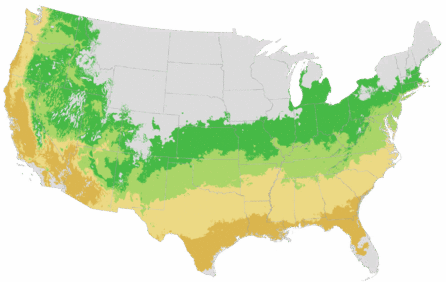

| Description | This extremely rare selection makes a dramatic statement by virtue of its foliage alone. Varnished-red new growth is stunning in spring, and large, lacecap-like cream-colored flowers are beautiful in contrast. Self-clinging stems will gently climb a fence, arbor, or large tree trunk, creating a handsome display in a shaded garden setting. Deciduous. |
|---|---|
| Bloom Time | Late spring to early summer |
| Deciduous/Evergreen | Deciduous |
| Special Features | Dramatic Foliage Color, Easy Care |
| Growth Rate | Moderate |
| Flower Attributes | Showy Flowers |
| Landscape Use | Espalier, Privacy Screen |
| Flower Color | White |
| Foliage Color | Green |
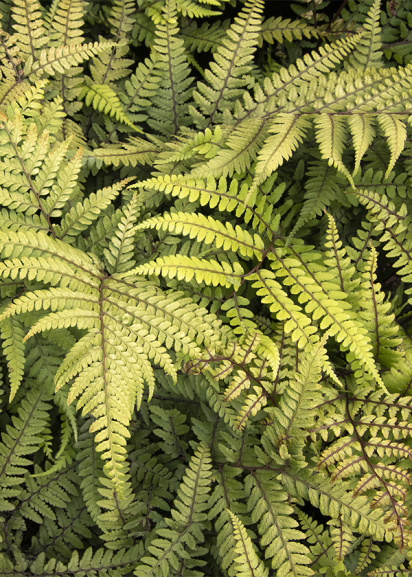
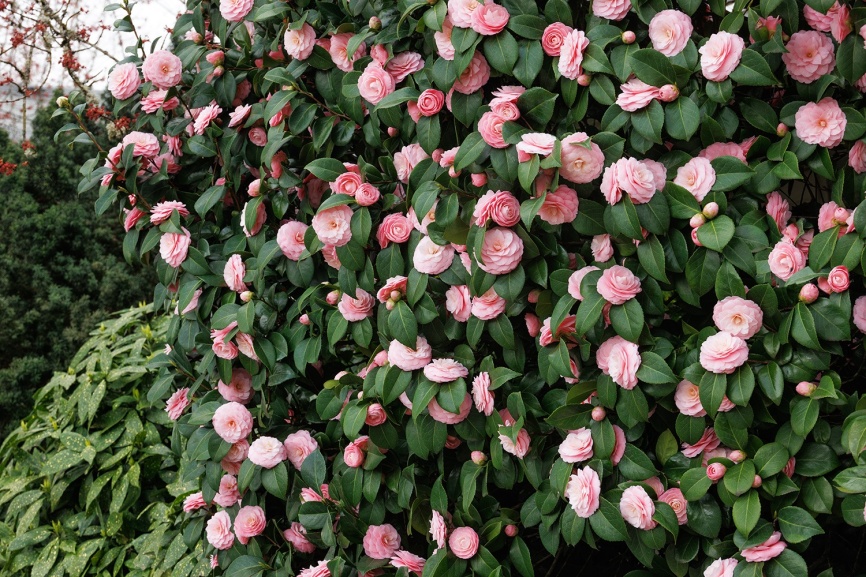
| Companion Plants | Azalea (Azalea); Astilbe (Astilbe); Japanese Forest Grass (Hakonechloa); Rhododendron (Rhododendron); Camellia (Camellia) |
| Care Instructions | Thrives in humus-rich, evenly moist soils. Provide support such as a trellis, arbor or large tree for self-adhering stems to climb. Water deeply, regularly during the first growing season to establish an extensive root system; once established, reduce frequency. Apply a general purpose fertilizer when new growth begins in spring. |
| History | The genus Schizophragma (commonly referred to as hydrangea vine) consists of several vigorous, hardy species in the family Hydrangeaceae, native to moist woodland in Asia, from the Himalayas east to Taiwan and Japan. Plant explorer Dan Hinkley spotted the seed heads of this rare Schizophragma elliptifolium plant in a remote area of southwest Sichuan Province. The foliage was gone and with only the dried flower heads, he wasn't sure of it's merit, but he collected the seed. Two years later, he realized he had a very rare species that, to his knowledge has never been successfully grown in Western cultivation. |
| Lore | The genus name Schizophragma comes from the Greek for "divided wall", referring to the split walls of its fruiting structure. The cultivar name of this selection, 'LaBaHe', refers to the name of the village near where the original seed was collected. Schizophragma species are in the Hydrangea family. While their showy flower heads somewhat resemble that of lacecap hydrangeas and they are superficially close to the climbing hydrangeas, the flowers of Schizophragma can offer a greater presence to the shaded garden. |
Details
| Description | This extremely rare selection makes a dramatic statement by virtue of its foliage alone. Varnished-red new growth is stunning in spring, and large, lacecap-like cream-colored flowers are beautiful in contrast. Self-clinging stems will gently climb a fence, arbor, or large tree trunk, creating a handsome display in a shaded garden setting. Deciduous. |
|---|---|
| Bloom Time | Late spring to early summer |
| Deciduous/Evergreen | Deciduous |
| Special Features | Dramatic Foliage Color, Easy Care |
| Growth Rate | Moderate |
| Flower Attributes | Showy Flowers |
Style
| Landscape Use | Espalier, Privacy Screen |
|---|---|
| Flower Color | White |
| Foliage Color | Green |
| Companion Plants | Azalea (Azalea); Astilbe (Astilbe); Japanese Forest Grass (Hakonechloa); Rhododendron (Rhododendron); Camellia (Camellia) |
Care
| Care Instructions | Thrives in humus-rich, evenly moist soils. Provide support such as a trellis, arbor or large tree for self-adhering stems to climb. Water deeply, regularly during the first growing season to establish an extensive root system; once established, reduce frequency. Apply a general purpose fertilizer when new growth begins in spring. |
|---|
History
| History | The genus Schizophragma (commonly referred to as hydrangea vine) consists of several vigorous, hardy species in the family Hydrangeaceae, native to moist woodland in Asia, from the Himalayas east to Taiwan and Japan. Plant explorer Dan Hinkley spotted the seed heads of this rare Schizophragma elliptifolium plant in a remote area of southwest Sichuan Province. The foliage was gone and with only the dried flower heads, he wasn't sure of it's merit, but he collected the seed. Two years later, he realized he had a very rare species that, to his knowledge has never been successfully grown in Western cultivation. |
|---|---|
| Lore | The genus name Schizophragma comes from the Greek for "divided wall", referring to the split walls of its fruiting structure. The cultivar name of this selection, 'LaBaHe', refers to the name of the village near where the original seed was collected. Schizophragma species are in the Hydrangea family. While their showy flower heads somewhat resemble that of lacecap hydrangeas and they are superficially close to the climbing hydrangeas, the flowers of Schizophragma can offer a greater presence to the shaded garden. |
Retailers Near You
About Us
We have been pioneers and craftsmen in the art of growing plants for 100 years. Since our founding in Southern California by Harry E. Rosedale, Sr. in 1926, we have been absolutely dedicated and obsessed with quality.
We have been pioneers and craftsmen in the art of growing plants for nearly 100 years. Since our founding in Southern California by Harry E. Rosedale, Sr. in 1926, we have been absolutely dedicated and obsessed with quality.