
You're growing in this Zip Code:
Discover Plants for Your Area

Red Star Cordyline
Cordyline australis 'Red Star'
Pronunciation: kor-di-ly-nee aw-STRAL-iss
SKU #01742
LIGHT:
Full sun, Partial sun
WATER:
Water when soil surface is dry.
SIZE:
Moderate growing; reaches 8 to 10 ft. tall, 5 ft. wide.

Retailers Near You
Ready to Grow?
Ship Monrovia plants directly to your door. Browse a curated selection available online.
Shop Now >This Plant's Growing Zones: ALL
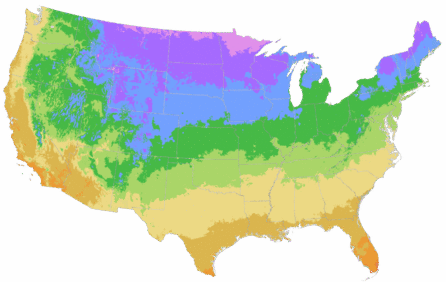
Your USDA Cold Hardiness Zone:
| Description | Burgundy-red, sword-like leaves offer great color and texture as a focal point in the landscape or in large containers surrounded by bright flowered perennials and silver foliage. Develops a trunk with age. Fragrant white flowers top the stems in early summer. A frost-tender evergreen; treat as an annual in cold winter regions or overwinter indoors. |
|---|---|
| Bloom Time | Early summer |
| Deciduous/Evergreen | Evergreen |
| Special Features | Dramatic Foliage Color, Easy Care, Waterwise |
| Problems/Solutions | Coastal Exposure, Deer Resistant |
| Growth Rate | Moderate |
| Growth Habit | Upright |
| Flower Attributes | Fragrant, Showy Flowers |
| Landscape Use | Border, Container, Houseplant, Poolside |
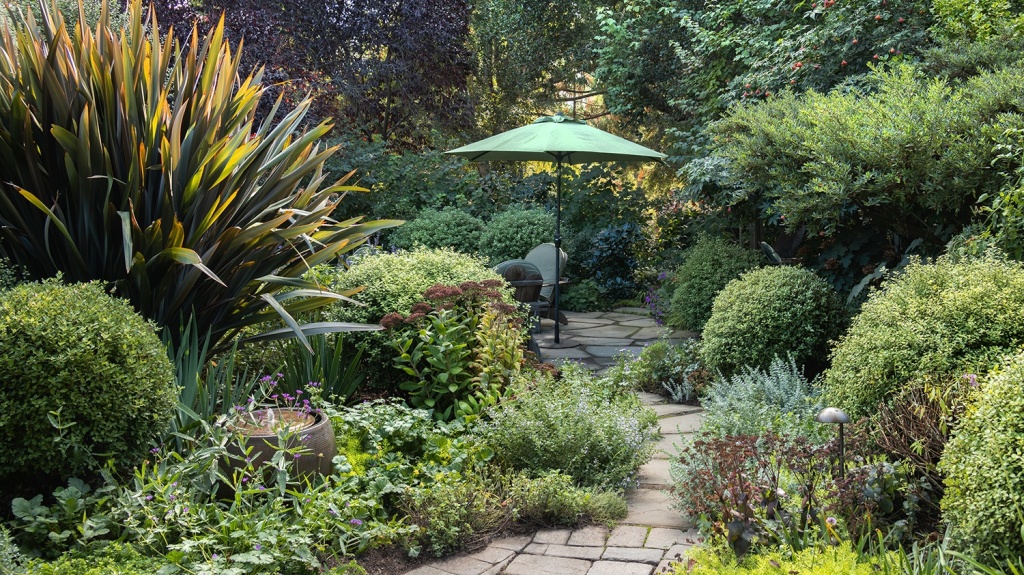
| Design Ideas | Red Star Cordyline works well in a modern or tropical landscape, or in a decorative patio container planted alone or with complementary perennials. The architectural structure of the plant lends itself to a minimalist landscape. Plant linear with decorative rock or a small textured groundcover. |
| Flower Color | White |
| Foliage Color | Burgundy |
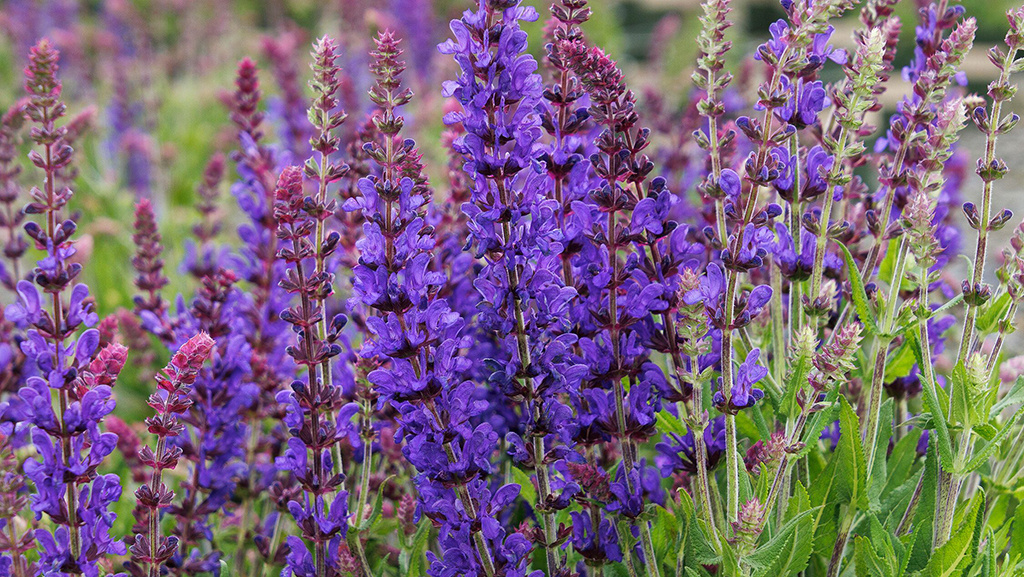
| Companion Plants | Lavender (Lavandula); False Heather (Cuphea); Lantana (Lantana); Verbena (Verbena); Canna (Canna) |
| Care Instructions | Thrives in deep, fertile, well-drained soils; shelter from harsh winds. Water deeply, regularly in first growing season to develop root system. Once established in landscape water regularly during growing season; reduce frequency in cooler winter months. Water container plants when soil surface becomes dry. Move indoors before the threat of frost. |
| History | Cordyline australis is native to New Zealand and Eastern Australia. Also known as the Cabbage Tree, they are used in ornamental gardens and for culinary dishes such as porridge and a sweet drink. The leaves are very fibrous and are used for making paper, twine, baskets and thatching. |
Details
| Description | Burgundy-red, sword-like leaves offer great color and texture as a focal point in the landscape or in large containers surrounded by bright flowered perennials and silver foliage. Develops a trunk with age. Fragrant white flowers top the stems in early summer. A frost-tender evergreen; treat as an annual in cold winter regions or overwinter indoors. |
|---|---|
| Bloom Time | Early summer |
| Deciduous/Evergreen | Evergreen |
| Special Features | Dramatic Foliage Color, Easy Care, Waterwise |
| Problems/Solutions | Coastal Exposure, Deer Resistant |
| Growth Rate | Moderate |
| Growth Habit | Upright |
| Flower Attributes | Fragrant, Showy Flowers |
Style
| Landscape Use | Border, Container, Houseplant, Poolside |
|---|---|
| Design Ideas | Red Star Cordyline works well in a modern or tropical landscape, or in a decorative patio container planted alone or with complementary perennials. The architectural structure of the plant lends itself to a minimalist landscape. Plant linear with decorative rock or a small textured groundcover. |
| Flower Color | White |
| Foliage Color | Burgundy |
| Companion Plants | Lavender (Lavandula); False Heather (Cuphea); Lantana (Lantana); Verbena (Verbena); Canna (Canna) |
Care
| Care Instructions | Thrives in deep, fertile, well-drained soils; shelter from harsh winds. Water deeply, regularly in first growing season to develop root system. Once established in landscape water regularly during growing season; reduce frequency in cooler winter months. Water container plants when soil surface becomes dry. Move indoors before the threat of frost. |
|---|
History
| History | Cordyline australis is native to New Zealand and Eastern Australia. Also known as the Cabbage Tree, they are used in ornamental gardens and for culinary dishes such as porridge and a sweet drink. The leaves are very fibrous and are used for making paper, twine, baskets and thatching. |
|---|
Retailers Near You
About Us
We have been pioneers and craftsmen in the art of growing plants for 100 years. Since our founding in Southern California by Harry E. Rosedale, Sr. in 1926, we have been absolutely dedicated and obsessed with quality.
We have been pioneers and craftsmen in the art of growing plants for nearly 100 years. Since our founding in Southern California by Harry E. Rosedale, Sr. in 1926, we have been absolutely dedicated and obsessed with quality.