
You're growing in this Zip Code:
Discover Plants for Your Area
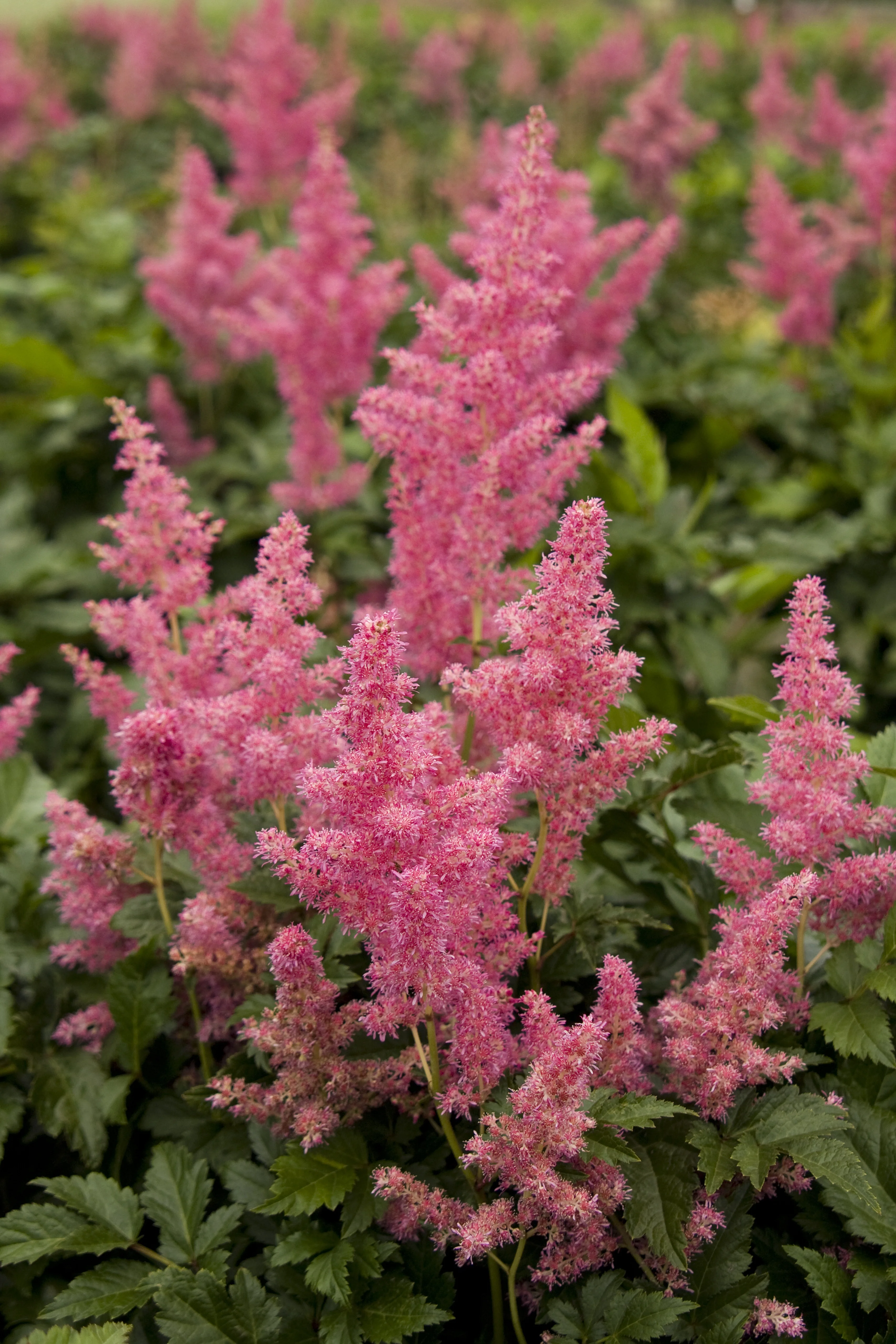
Rheinland Astilbe
Astilbe x arendsii 'Rheinland'
Pronunciation: a-STIL-bee ar-END-see-eye
SKU #00354
LIGHT:
Full shade, Partial shade
WATER:
Keep soil consistently moist.
SIZE:
Moderate growing; reaches 2 ft. tall and wide.

Retailers Near You
Ready to Grow?
Ship Monrovia plants directly to your door. Browse a curated selection available online.
Shop Now >This Plant's Growing Zones: 4-9
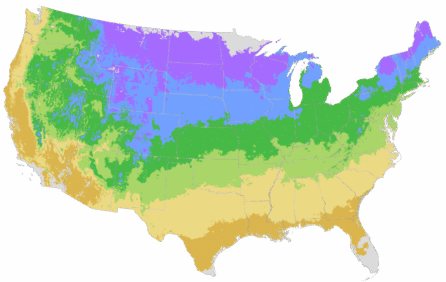
Your USDA Cold Hardiness Zone:
| Description | Beautiful bloom clusters to provide lovely summer color in shady areas of the landscape. The tall, feathery, clear pink blooms rise above the mound of lush green foliage, adding a light, airy quality. Ideal for creating a graceful border, or a dynamic mass planting. Thrives in dappled or full shade. An herbaceous perennial. |
|---|---|
| Bloom Time | Mid-spring to summer |
| Deciduous/Evergreen | Herbaceous |
| Special Features | Easy Care, Attracts Pollinators |
| Problems/Solutions | Deer Resistant, Erosion Control, Rabbit Resistant, Very Wet Areas, Black Walnut Tolerant |
| Growth Rate | Moderate |
| Flower Attributes | Flowers for Cutting, Showy Flowers |
| Landscape Use | Border, Container |
| Design Ideas | Plant a large cluster of this Astilbe in a favorite shady location to show off a summertime display of clear pink, feathery plumes. Select companions that are less than two feet tall and are spreading or clumping in form to avoid competing with the erect form of the Rheinland Astilbe. Also consider plants that may bloom in late summer to provide added color as this Astilbe fades. |
| Flower Color | Pink |
| Foliage Color | Green |
| Companion Plants | Azalea (Azalea); Columbine (Aquilegia); Hosta (Hosta); Bleeding Heart (Dicentra); Brunnera (Brunnera) |
| Care Instructions | Thrives in organically rich, evenly moist, acidic, well-drained soil, sited in bright shade or filtered sun; does not tolerate dry conditions. Mulch to keep roots cool and moist, avoiding the crown. Clip spent blooms for a tidy appearance. Remove old foliage and stems in early spring. Feed in early spring, and again after bloom. |
| History | The Astilbe x arendsii hybrids were developed by and named for H. A. Arends, a 20th century Germ,an nurseryman. The hybrids are derived primarily from A. chinensis var. Davidii, with a natural range that spans central China and Mongolia. Also factoring into these hybrids to a far lesser extent are A. simplicifolia, A. japonica, and A. thunbergii. Its natural range spans central China and Mongolia. |
| Lore | Astilbe chinensis var Davidii is named for Pere Armand David, a Jesuit missionary in China credited with bringing a large number of new plants to the west via Jardin des Plantes in France. |
Details
| Description | Beautiful bloom clusters to provide lovely summer color in shady areas of the landscape. The tall, feathery, clear pink blooms rise above the mound of lush green foliage, adding a light, airy quality. Ideal for creating a graceful border, or a dynamic mass planting. Thrives in dappled or full shade. An herbaceous perennial. |
|---|---|
| Bloom Time | Mid-spring to summer |
| Deciduous/Evergreen | Herbaceous |
| Special Features | Easy Care, Attracts Pollinators |
| Problems/Solutions | Deer Resistant, Erosion Control, Rabbit Resistant, Very Wet Areas, Black Walnut Tolerant |
| Growth Rate | Moderate |
| Flower Attributes | Flowers for Cutting, Showy Flowers |
Style
| Landscape Use | Border, Container |
|---|---|
| Design Ideas | Plant a large cluster of this Astilbe in a favorite shady location to show off a summertime display of clear pink, feathery plumes. Select companions that are less than two feet tall and are spreading or clumping in form to avoid competing with the erect form of the Rheinland Astilbe. Also consider plants that may bloom in late summer to provide added color as this Astilbe fades. |
| Flower Color | Pink |
| Foliage Color | Green |
| Companion Plants | Azalea (Azalea); Columbine (Aquilegia); Hosta (Hosta); Bleeding Heart (Dicentra); Brunnera (Brunnera) |
Care
| Care Instructions | Thrives in organically rich, evenly moist, acidic, well-drained soil, sited in bright shade or filtered sun; does not tolerate dry conditions. Mulch to keep roots cool and moist, avoiding the crown. Clip spent blooms for a tidy appearance. Remove old foliage and stems in early spring. Feed in early spring, and again after bloom. |
|---|
History
| History | The Astilbe x arendsii hybrids were developed by and named for H. A. Arends, a 20th century Germ,an nurseryman. The hybrids are derived primarily from A. chinensis var. Davidii, with a natural range that spans central China and Mongolia. Also factoring into these hybrids to a far lesser extent are A. simplicifolia, A. japonica, and A. thunbergii. Its natural range spans central China and Mongolia. |
|---|---|
| Lore | Astilbe chinensis var Davidii is named for Pere Armand David, a Jesuit missionary in China credited with bringing a large number of new plants to the west via Jardin des Plantes in France. |
Retailers Near You
About Us
We have been pioneers and craftsmen in the art of growing plants for 100 years. Since our founding in Southern California by Harry E. Rosedale, Sr. in 1926, we have been absolutely dedicated and obsessed with quality.
We have been pioneers and craftsmen in the art of growing plants for nearly 100 years. Since our founding in Southern California by Harry E. Rosedale, Sr. in 1926, we have been absolutely dedicated and obsessed with quality.