
You're growing in this Zip Code:
Change LocationDiscover Plants for Your Area
Rock & Roll® Peruvian Lily
Alstroemeria x 'AlsDun01' PP #21,001
Pronunciation: al-stre-MEE-ree-uh
SKU #06638
LIGHT:
Full sun, Partial sun
WATER:
Keep soil moist, but not soggy.
SIZE:
Moderate growing; reaches 5 ft. tall, 6 to 8 ft. wide in natural form.

Retailers Near You
| Description | An award-winning combination of dynamic foliage and vivid scarlet-orange flowers, prized for cut flower arrangements. A compact habit with brightly variegated leaves - creamy white with green margins - set the stage for continuous blooms from spring to fall. A thrilling choice for landscape or container. An herbaceous perennial. |
|---|---|
| Bloom Time | Spring to early fall |
| Deciduous/Evergreen | Herbaceous |
| Special Features | Dramatic Foliage Color, Easy Care, Non-toxic to Cats and Dogs, Attracts Pollinators, Compact Form |
| Growth Rate | Moderate |
| Flower Attributes | Flowers for Cutting, Long Bloom Season, Showy Flowers |
| Patent Act | Asexual reproduction of plants protected by the Plant Patent Act is prohibited during the life of the patent. |
| Landscape Use | Border, Container |
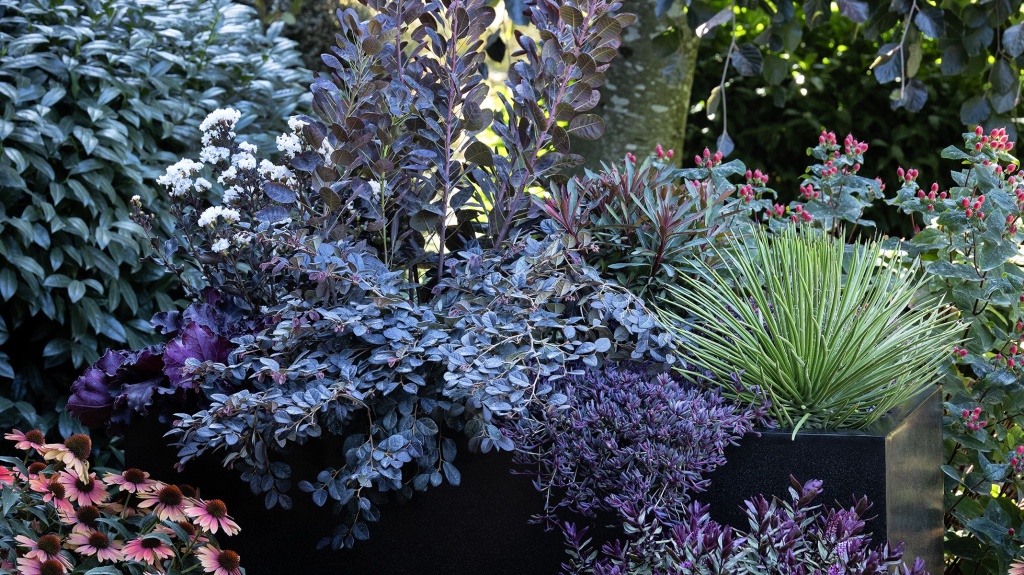
| Design Ideas | Plant in classical urns or terra cotta pots. Gang them in window boxes and trough planters. Equally happy in the garden where its versatility fits a variety of garden styles. Takes on a traditional cottage garden character when integrated into perennial borders. A valuable source of flower color in tropical gardens too heavy on foliage plants. Spot into foundation plantings at high traffic areas to appreciate the stellar flowers. A perfect cutting garden candidate. |
| Flower Color | Red |
| Foliage Color | Variegated |
| Companion Plants | Gaura (Gaura); Montbretia (Crocosmia); Aster (Aster); Society Garlic (Tulbaghia); Canna (Canna) |
| Care Instructions | Grows well in enriched, well-drained soil. Water deeply and regularly during the first growing season to establish an extensive root system. Remove spent blooms promptly to encourage continuous bloom. For a neat appearance, remove old foliage before new leaves emerge. Divide clumps every 2 to 3 years in early spring. |
| Lore | Peruvian lilies are native to the rich soils of the mountain regions of South America, in Chile and Brazil. The introduction of the alstroemeria to Europe has been credited to 18th century botanist, Claus von Alstroemer of Sweden, hence the botanical name. Alstroemeria make excellent cut flowers, and are symbolic of friendship and devotion--making them ideal for wedding bouquets. |
Details
| Description | An award-winning combination of dynamic foliage and vivid scarlet-orange flowers, prized for cut flower arrangements. A compact habit with brightly variegated leaves - creamy white with green margins - set the stage for continuous blooms from spring to fall. A thrilling choice for landscape or container. An herbaceous perennial. |
|---|---|
| Bloom Time | Spring to early fall |
| Deciduous/Evergreen | Herbaceous |
| Special Features | Dramatic Foliage Color, Easy Care, Non-toxic to Cats and Dogs, Attracts Pollinators, Compact Form |
| Growth Rate | Moderate |
| Flower Attributes | Flowers for Cutting, Long Bloom Season, Showy Flowers |
| Patent Act | Asexual reproduction of plants protected by the Plant Patent Act is prohibited during the life of the patent. |
Style
| Landscape Use | Border, Container |
|---|---|
| Design Ideas | Plant in classical urns or terra cotta pots. Gang them in window boxes and trough planters. Equally happy in the garden where its versatility fits a variety of garden styles. Takes on a traditional cottage garden character when integrated into perennial borders. A valuable source of flower color in tropical gardens too heavy on foliage plants. Spot into foundation plantings at high traffic areas to appreciate the stellar flowers. A perfect cutting garden candidate. |
| Flower Color | Red |
| Foliage Color | Variegated |
| Companion Plants | Gaura (Gaura); Montbretia (Crocosmia); Aster (Aster); Society Garlic (Tulbaghia); Canna (Canna) |
Care
| Care Instructions | Grows well in enriched, well-drained soil. Water deeply and regularly during the first growing season to establish an extensive root system. Remove spent blooms promptly to encourage continuous bloom. For a neat appearance, remove old foliage before new leaves emerge. Divide clumps every 2 to 3 years in early spring. |
|---|
History
| Lore | Peruvian lilies are native to the rich soils of the mountain regions of South America, in Chile and Brazil. The introduction of the alstroemeria to Europe has been credited to 18th century botanist, Claus von Alstroemer of Sweden, hence the botanical name. Alstroemeria make excellent cut flowers, and are symbolic of friendship and devotion--making them ideal for wedding bouquets. |
|---|
Retailers Near You
About Us
We have been pioneers and craftsmen in the art of growing plants for 100 years. Since our founding in Southern California by Harry E. Rosedale, Sr. in 1926, we have been absolutely dedicated and obsessed with quality.
We have been pioneers and craftsmen in the art of growing plants for nearly 100 years. Since our founding in Southern California by Harry E. Rosedale, Sr. in 1926, we have been absolutely dedicated and obsessed with quality.