
You're growing in this Zip Code:
Discover Plants for Your Area

Savin Juniper
Juniperus sabina
Pronunciation: ju-NIP-er-us sa-BI-na
SKU #05130
LIGHT:
Full sun
WATER:
Water when top 2 inches of soil is dry.
SIZE:
Moderate growing to 4 to 6 ft. high, 5 to 10 ft. wide.

Retailers Near You
Ready to Grow?
Ship Monrovia plants directly to your door. Browse a curated selection available online.
Shop Now >This Plant's Growing Zones: 3-7
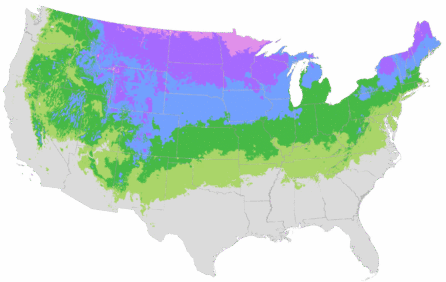
Your USDA Cold Hardiness Zone:
| Description | The semi vase-shaped form, with a somewhat spreading habit, adapts easily to most plantings; a wonderful evergreen background for other plant colors. |
|---|---|
| Bloom Time | Does not flower |
| Deciduous/Evergreen | Evergreen |
| Special Features | Easy Care, Waterwise, Heat Loving |
| Problems/Solutions | Coastal Exposure, Deer Resistant, Erosion Control, Rabbit Resistant |
| Growth Rate | Moderate |
| Growth Habit | Spreading |
| Landscape Use | Border |
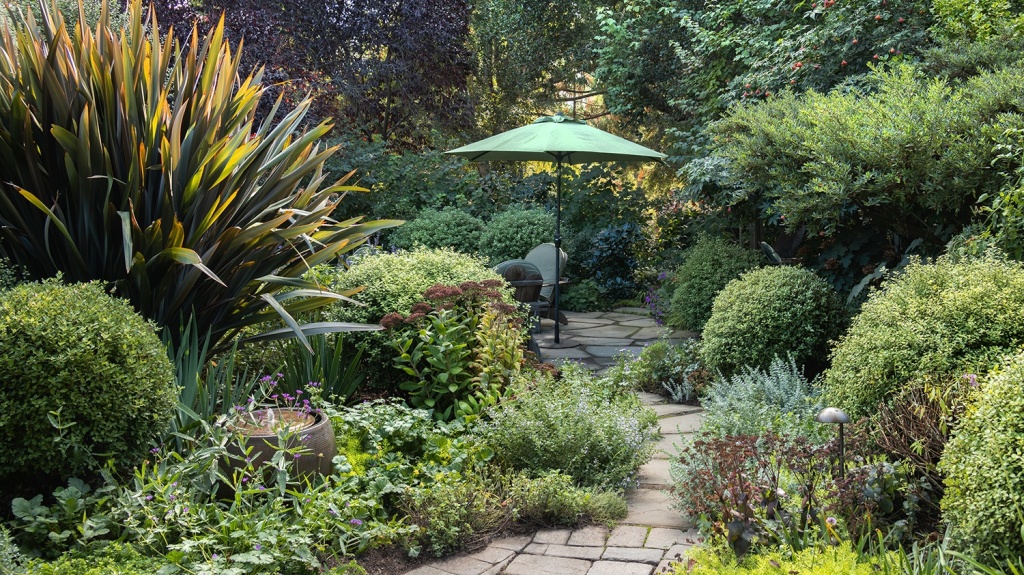
| Design Ideas | Savin Juniper is upright with horizontal branching that takes well to long narrow planters. It can be used as a divider between close driveways, where it stands up to the worst treatment. Can be grouped in threes to fives for an island of foliage surrounded by more seasonal plantings. With its moderate height, it will never grow too tall to see over when planted as a hedge. An excellent choice for very cold winter regions, where evergreen color in the dormant season is rare. |
| Foliage Color | Green |
| Companion Plants | Combine Savin with hardy evergreen trees that have a conical habit such as Chattanooga Blue Spruce (Picea pungens 'Chattanooga') or Green Columnar Juniper (Juniperus chinensis 'Hetzii Columnaris') for a golden vertical accent. Combine with the big bright-berried Yukon BelleTM Pyracantha (Pyracantha angustifolia 'Monon') or, for foliar contrast year-round, try the bronze-leafed Sparkle Japanese Barberry (Berberis thunbergii 'Sparkle'). |
| Care Instructions | Follow a regular watering schedule during the first growing season to establish a deep, extensive root system. Feed with a general purpose fertilizer before new growth begins in spring. For a tidy, neat appearance, shear annually to shape. |
| History | This juniper is native to eastern Europe to Asia and Siberia. Though it has been well known since the 18th century, it was not cultivated widely until the 20th century due to juniper blight disease. Resistant seedlings were developed in Leningrad, USSR in 1933 and imported by D. Hill Nursery of Dundee, IL. Of these only three were selected and these constitute the ancestry of all plants grown today and their cultivars. |
Details
| Description | The semi vase-shaped form, with a somewhat spreading habit, adapts easily to most plantings; a wonderful evergreen background for other plant colors. |
|---|---|
| Bloom Time | Does not flower |
| Deciduous/Evergreen | Evergreen |
| Special Features | Easy Care, Waterwise, Heat Loving |
| Problems/Solutions | Coastal Exposure, Deer Resistant, Erosion Control, Rabbit Resistant |
| Growth Rate | Moderate |
| Growth Habit | Spreading |
Style
| Landscape Use | Border |
|---|---|
| Design Ideas | Savin Juniper is upright with horizontal branching that takes well to long narrow planters. It can be used as a divider between close driveways, where it stands up to the worst treatment. Can be grouped in threes to fives for an island of foliage surrounded by more seasonal plantings. With its moderate height, it will never grow too tall to see over when planted as a hedge. An excellent choice for very cold winter regions, where evergreen color in the dormant season is rare. |
| Foliage Color | Green |
| Companion Plants | Combine Savin with hardy evergreen trees that have a conical habit such as Chattanooga Blue Spruce (Picea pungens 'Chattanooga') or Green Columnar Juniper (Juniperus chinensis 'Hetzii Columnaris') for a golden vertical accent. Combine with the big bright-berried Yukon BelleTM Pyracantha (Pyracantha angustifolia 'Monon') or, for foliar contrast year-round, try the bronze-leafed Sparkle Japanese Barberry (Berberis thunbergii 'Sparkle'). |
Care
| Care Instructions | Follow a regular watering schedule during the first growing season to establish a deep, extensive root system. Feed with a general purpose fertilizer before new growth begins in spring. For a tidy, neat appearance, shear annually to shape. |
|---|
History
| History | This juniper is native to eastern Europe to Asia and Siberia. Though it has been well known since the 18th century, it was not cultivated widely until the 20th century due to juniper blight disease. Resistant seedlings were developed in Leningrad, USSR in 1933 and imported by D. Hill Nursery of Dundee, IL. Of these only three were selected and these constitute the ancestry of all plants grown today and their cultivars. |
|---|
Retailers Near You
About Us
We have been pioneers and craftsmen in the art of growing plants for 100 years. Since our founding in Southern California by Harry E. Rosedale, Sr. in 1926, we have been absolutely dedicated and obsessed with quality.
We have been pioneers and craftsmen in the art of growing plants for nearly 100 years. Since our founding in Southern California by Harry E. Rosedale, Sr. in 1926, we have been absolutely dedicated and obsessed with quality.