
You're growing in this Zip Code:
Change LocationDiscover Plants for Your Area
Scintillation Rhododendron
Rhododendron x 'Scintillation' (H-2)
Pronunciation: roh-do-DEN-dron
SKU #01022
LIGHT:
Partial sun
WATER:
Keep soil moist, but not soggy.
SIZE:
Moderate growing to 5 ft. tall and wide.

Retailers Near You
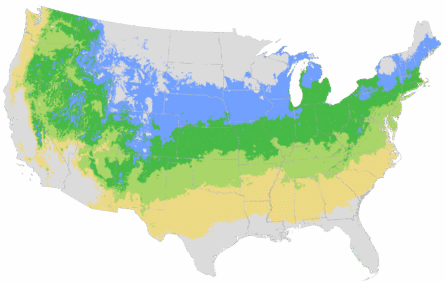
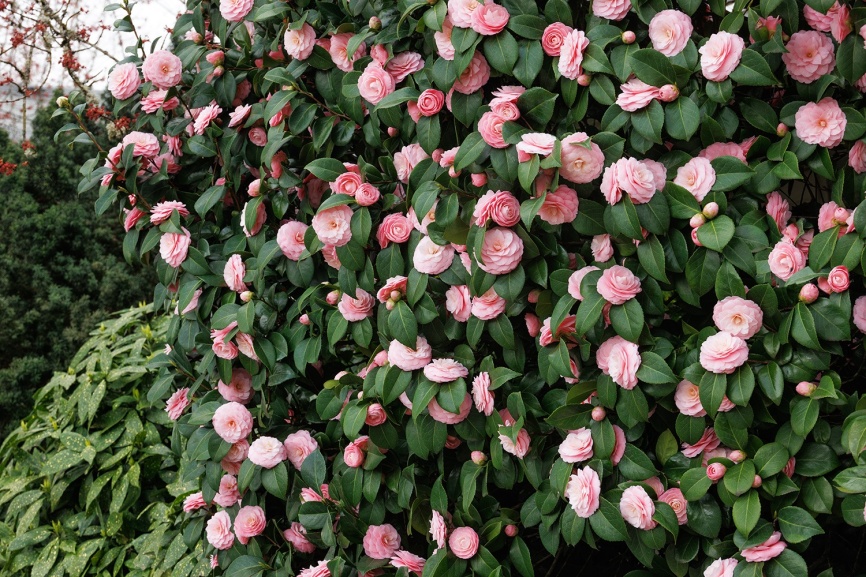
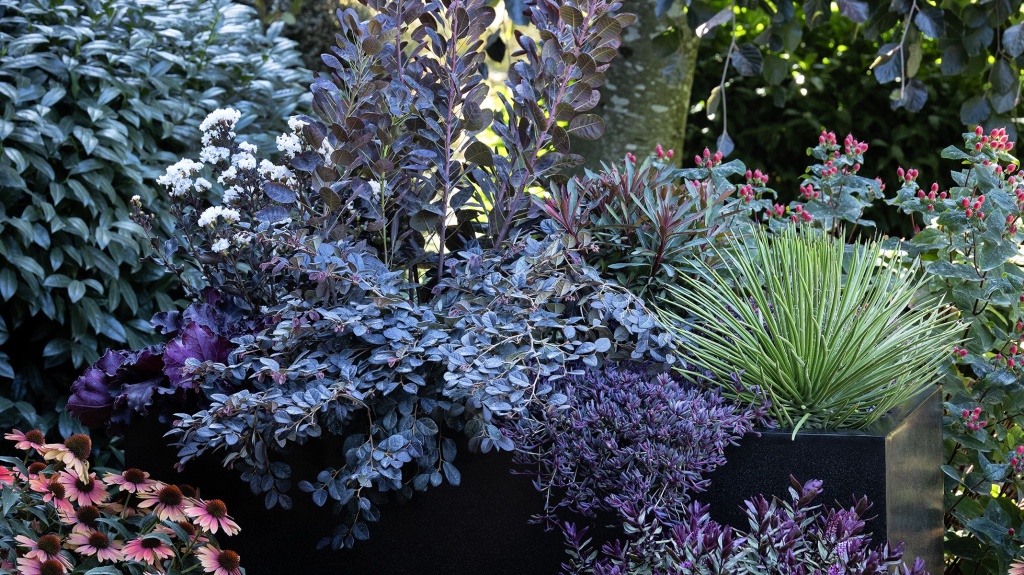
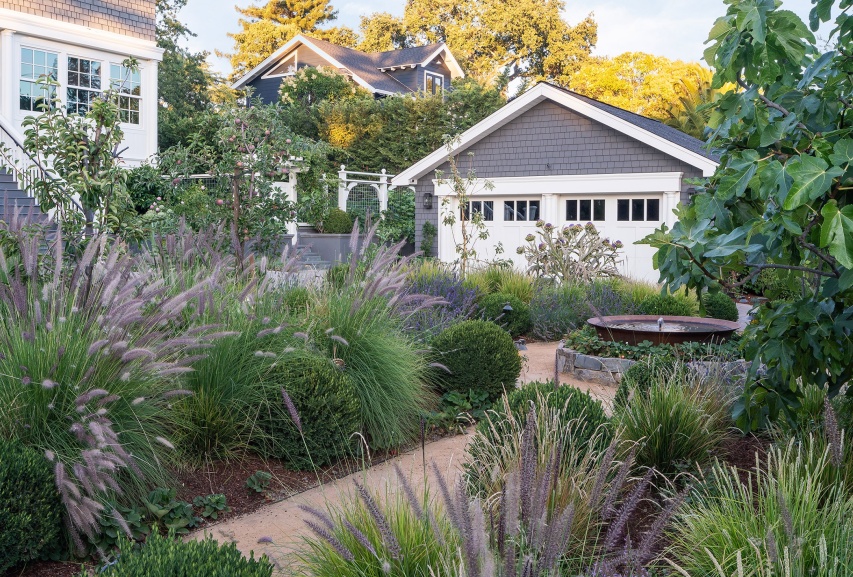
| Description | Dense-growing, broad evergreen shrub valued for its large trusses of showy, lightly scented flowers. Prefers cooler regions but some protection from winter wind is helpful. Very effective as an accent, and an excellent choice for borders, mass planting, or container. |
|---|---|
| Bloom Time | Spring |
| Deciduous/Evergreen | Evergreen |
| Problems/Solutions | Coastal Exposure |
| Growth Rate | Moderate |
| Growth Habit | Rounded |
| Flower Attributes | Fragrant, Showy Flowers |
| Landscape Use | Border, Container, Hedge |
| Design Ideas | Although this Rhododendron looks beautiful anywhere in the landscape, its size and showy coloring make it perfect for the middle to back of the border. Ideal with other acid-loving shrubs along foundations of the house or the base of a fence. Great background for virtually all perennials. Also works well to fill space beneath a large shade tree. A good backgrounder behind a smaller accent tree. |
| Flower Color | Pink |
| Foliage Color | Green |
| Companion Plants | Plant with other elegant flowering shrubs for partial shade such as Penny Mac Hydrangea, (Hydrangea macrophylla 'Penny Mac'), Bette Sette Ice Angels Camellia, (Camellia japonica 'Bette Sette'), Cannon's Double Azalea, (Azalea x 'Cannon's Double'), and perennial Sunshine Selections Lenten Rose, (Helleborus x hybrida 'Sunshine Selections'). |
| Care Instructions | Follow a regular watering schedule during the first growing season to establish a deep, extensive root system. Provide well drained soil, rich in organic matter. Feed with an acid fertilizer after bloom. Keep roots cool with a thick layer of mulch. |
| History | The genus Rhododendron is grouped into the heath family, Ericaceae which contains many acid soil loving species. Rhododendron was named and classified by Linnaeus who named it from the Greek for rose tree. This genus also contains shrubs commonly called azaleas within its 800 Rhododendron species and thousands of hybrids. The species are native to temperate areas of the Northern Hemisphere but are most abundant in the Himalayas and other mountains of Asia. The parentage of this rhodie is unknown but breeding is attributed to Charles Owen Dexter at Heritage Plantation on Cape Cod, introduced before 1943. |
| Lore | Rhododendron was named and classified by Linnaeus who named it from the Greek for rose tree. |
Details
| Description | Dense-growing, broad evergreen shrub valued for its large trusses of showy, lightly scented flowers. Prefers cooler regions but some protection from winter wind is helpful. Very effective as an accent, and an excellent choice for borders, mass planting, or container. |
|---|---|
| Bloom Time | Spring |
| Deciduous/Evergreen | Evergreen |
| Problems/Solutions | Coastal Exposure |
| Growth Rate | Moderate |
| Growth Habit | Rounded |
| Flower Attributes | Fragrant, Showy Flowers |
Style
| Landscape Use | Border, Container, Hedge |
|---|---|
| Design Ideas | Although this Rhododendron looks beautiful anywhere in the landscape, its size and showy coloring make it perfect for the middle to back of the border. Ideal with other acid-loving shrubs along foundations of the house or the base of a fence. Great background for virtually all perennials. Also works well to fill space beneath a large shade tree. A good backgrounder behind a smaller accent tree. |
| Flower Color | Pink |
| Foliage Color | Green |
| Companion Plants | Plant with other elegant flowering shrubs for partial shade such as Penny Mac Hydrangea, (Hydrangea macrophylla 'Penny Mac'), Bette Sette Ice Angels Camellia, (Camellia japonica 'Bette Sette'), Cannon's Double Azalea, (Azalea x 'Cannon's Double'), and perennial Sunshine Selections Lenten Rose, (Helleborus x hybrida 'Sunshine Selections'). |
Care
| Care Instructions | Follow a regular watering schedule during the first growing season to establish a deep, extensive root system. Provide well drained soil, rich in organic matter. Feed with an acid fertilizer after bloom. Keep roots cool with a thick layer of mulch. |
|---|
History
| History | The genus Rhododendron is grouped into the heath family, Ericaceae which contains many acid soil loving species. Rhododendron was named and classified by Linnaeus who named it from the Greek for rose tree. This genus also contains shrubs commonly called azaleas within its 800 Rhododendron species and thousands of hybrids. The species are native to temperate areas of the Northern Hemisphere but are most abundant in the Himalayas and other mountains of Asia. The parentage of this rhodie is unknown but breeding is attributed to Charles Owen Dexter at Heritage Plantation on Cape Cod, introduced before 1943. |
|---|---|
| Lore | Rhododendron was named and classified by Linnaeus who named it from the Greek for rose tree. |
Retailers Near You
About Us
We have been pioneers and craftsmen in the art of growing plants for 100 years. Since our founding in Southern California by Harry E. Rosedale, Sr. in 1926, we have been absolutely dedicated and obsessed with quality.
We have been pioneers and craftsmen in the art of growing plants for nearly 100 years. Since our founding in Southern California by Harry E. Rosedale, Sr. in 1926, we have been absolutely dedicated and obsessed with quality.