
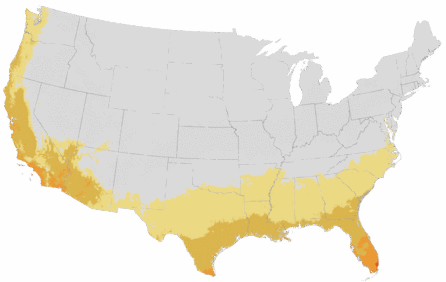
You're growing in this Zip Code:
Change LocationDiscover Plants for Your Area
Shiny Xylosma
Xylosma congestum
Pronunciation: zi-LOS-ma kon-GES-tum
SKU #07695
LIGHT:
Full sun, Partial sun
WATER:
Water when top 2 inches of soil is dry.
SIZE:
Moderate grower to 10 to 12 ft. tall and wide.

Retailers Near You
| Description | Versatile hedge or screening plant displays bronzy young foliage on spreading, gracefully arching branches. Takes shearing well, easily trained as espalier. Tolerates heat. Evergreen. |
|---|---|
| Bloom Time | Inconspicuous |
| Deciduous/Evergreen | Evergreen |
| Special Features | Easy Care, Ornamental Berries, Waterwise, Benefits Birds |
| Growth Rate | Moderate |
| Growth Habit | Spreading |
| Landscape Use | Container, Espalier, Privacy Screen, Windbreak |
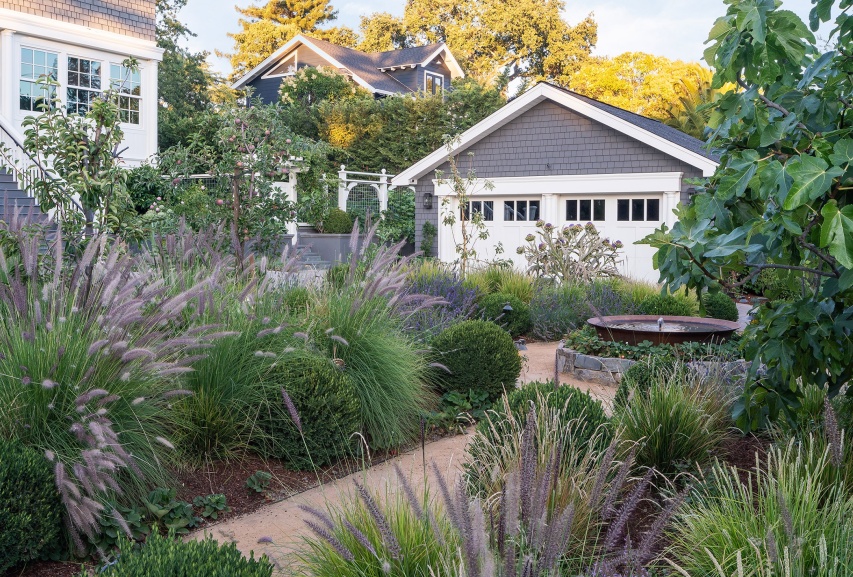
| Design Ideas | Xylosma can be used as either a shrub or small tree in the landscape. Makes a fine natural hedge gently pruned to size or it will adapt to mild shearing for a more formal appearance. Allow it to grow naturally for a shiny light green background for beds and borders. Excellent for breaking up long fence lines or for de-emphasizing large multistory walls in foundation planting. |
| Foliage Color | Green |
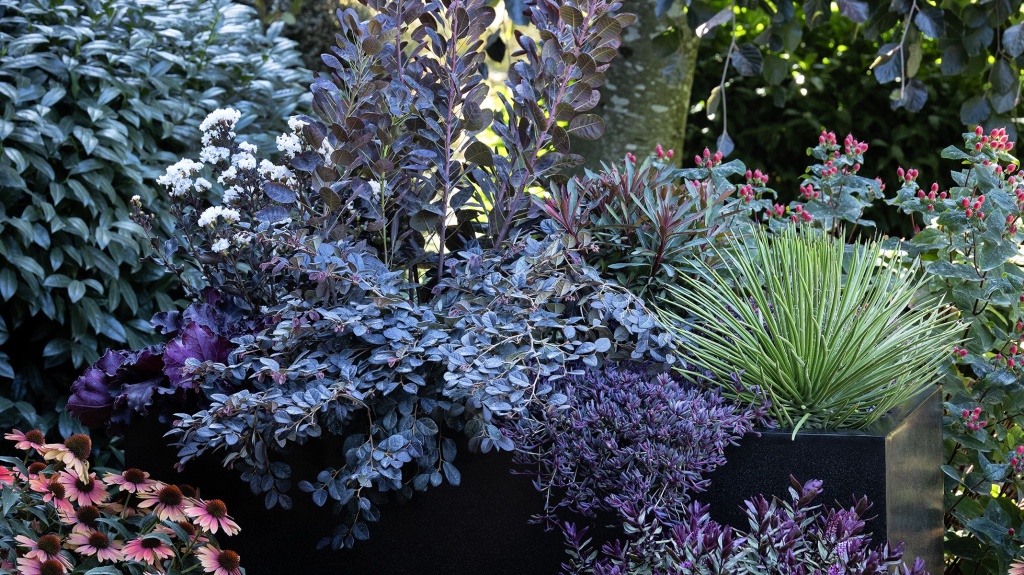
| Companion Plants | Shrub Rose (Rosa); Passion Vine (Passiflora); Purple Hopseed Bush (Dodonaea); Lantana (Lantana); Crape Myrtle (Lagerstroemia) |
| Care Instructions | Follow a regular watering schedule during the first growing season to establish a deep, extensive root system. Water deeply, less frequently, once established. Feed with a general purpose fertilizer before new growth begins in spring. For a tidy, neat appearance, shear annually to shape. |
| History | This genus contains about one hundred species of evergreens found everywhere in the tropics and subtropics except Africa. The plant was discovered in China by Portuguese Jesuit missionary Juan Louriero, 1715-1796 whose descriptions reached Dutch botanist Friedrich Miquel. However, the final classification was made by English botanists at Kew Gardens or via the London Horticultural Society. |
| Lore | When in bloom, xylosmas draw bees in droves which makes this shrub vital in wildlife gardens and an undesirable plant near swimming pools. |
Details
| Description | Versatile hedge or screening plant displays bronzy young foliage on spreading, gracefully arching branches. Takes shearing well, easily trained as espalier. Tolerates heat. Evergreen. |
|---|---|
| Bloom Time | Inconspicuous |
| Deciduous/Evergreen | Evergreen |
| Special Features | Easy Care, Ornamental Berries, Waterwise, Benefits Birds |
| Growth Rate | Moderate |
| Growth Habit | Spreading |
Style
| Landscape Use | Container, Espalier, Privacy Screen, Windbreak |
|---|---|
| Design Ideas | Xylosma can be used as either a shrub or small tree in the landscape. Makes a fine natural hedge gently pruned to size or it will adapt to mild shearing for a more formal appearance. Allow it to grow naturally for a shiny light green background for beds and borders. Excellent for breaking up long fence lines or for de-emphasizing large multistory walls in foundation planting. |
| Foliage Color | Green |
| Companion Plants | Shrub Rose (Rosa); Passion Vine (Passiflora); Purple Hopseed Bush (Dodonaea); Lantana (Lantana); Crape Myrtle (Lagerstroemia) |
Care
| Care Instructions | Follow a regular watering schedule during the first growing season to establish a deep, extensive root system. Water deeply, less frequently, once established. Feed with a general purpose fertilizer before new growth begins in spring. For a tidy, neat appearance, shear annually to shape. |
|---|
History
| History | This genus contains about one hundred species of evergreens found everywhere in the tropics and subtropics except Africa. The plant was discovered in China by Portuguese Jesuit missionary Juan Louriero, 1715-1796 whose descriptions reached Dutch botanist Friedrich Miquel. However, the final classification was made by English botanists at Kew Gardens or via the London Horticultural Society. |
|---|---|
| Lore | When in bloom, xylosmas draw bees in droves which makes this shrub vital in wildlife gardens and an undesirable plant near swimming pools. |
Retailers Near You
About Us
We have been pioneers and craftsmen in the art of growing plants for 100 years. Since our founding in Southern California by Harry E. Rosedale, Sr. in 1926, we have been absolutely dedicated and obsessed with quality.
We have been pioneers and craftsmen in the art of growing plants for nearly 100 years. Since our founding in Southern California by Harry E. Rosedale, Sr. in 1926, we have been absolutely dedicated and obsessed with quality.