
You're growing in this Zip Code:
Change LocationDiscover Plants for Your Area
Soft Shield Fern
Polystichum setiferum
Pronunciation: pol-LIST-ik-um say-TI-fe-rum
SKU #03649
LIGHT:
Full shade
WATER:
Keep soil moist, but not soggy.
SIZE:
Moderate growing; reaches 2 to 3 ft. tall, spreading wider.

Retailers Near You
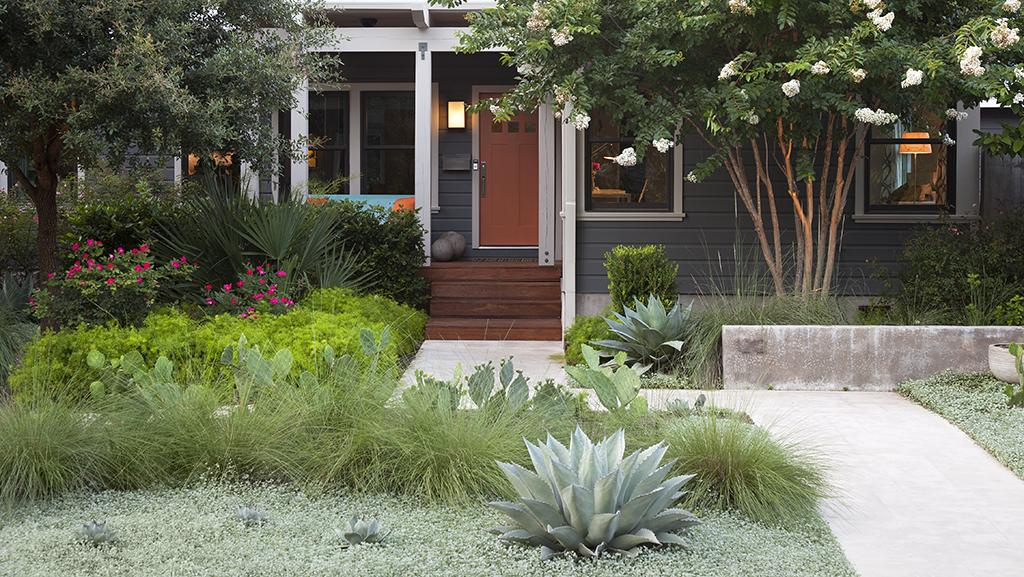
Be Inspired: How to Use this Plant
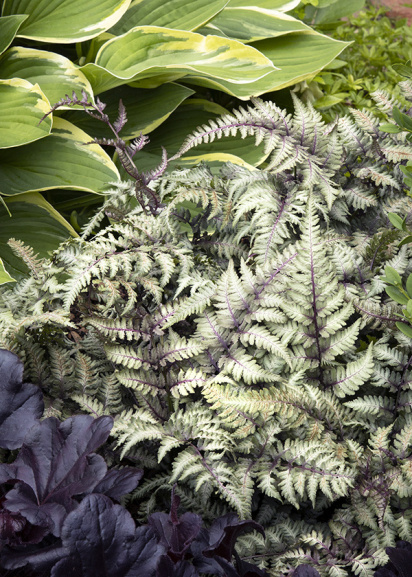

| Description | Outstanding foliage for shade, with feathery, dark green fronds that look tropical but are actually hardy! The perfect contrast to bold-leaved plants. Naturalizes well in cool woodland settings, adapting well to dry shade conditions when established. Semi-evergreen. |
|---|---|
| Bloom Time | Prized for foliage. |
| Deciduous/Evergreen | Semi-Evergreen |
| Special Features | Easy Care, Improved Pest and Disease Resistance, Non-toxic to Cats and Dogs |
| Problems/Solutions | Deer Resistant, Rabbit Resistant, Dry Shade |
| Growth Rate | Moderate |
| Growth Habit | Upright |
| Landscape Use | Border, Ground Cover |
| Design Ideas | This is an excellent hardy Fern that takes colder climates by dying back with frost. Plant under trees, in dark corners and shaded alcoves. Also works well in light-challenged atriums and courtyards. As a North American native, it's the perfect easy Fern for woodland and wild gardens. |
| Foliage Color | Green |
| Companion Plants | Solomon's Seal (Polygonatum); Columbine (Aquilegia); Hosta (Hosta); Lungwort (Pulmonaria); Bleeding Heart (Dicentra) |
| Care Instructions | Easily grown in fertile, humusy, well-drained soils. Water regularly during the first growing season to establish root system. Once established, prefers evenly moist but not soggy soils; tolerates drier conditions. Feed regularly during growing season. Cut back old, faded fronds when new growth begins to emerge in spring. |
| History | This genus of ferns known collectively as "holly" ferns are so named for their sometimes prickly foliage. The genus was classified by German botanist Albrecht Roth, 1757-1834, who named it from the Greek for many rows, to describe the pattern of sori on the backs of the leaves. Many of the ferns in this contemporary classifications were formally know under genus Aspidium. This species is native to most regions of the world except the Arctic. It formerly went by the names Polypodium setiferum by Pehr Forskal, 1736-1768 of Sweden, and Polystichum aculeatum as well as other synonyms throughout the references. But it was Austrian Heinrich Woynar, 1865-1917 who made the final classification. Polystichum setiferum fern is native to Europe, particularly the southern, western and central lowlands. |
Details
| Description | Outstanding foliage for shade, with feathery, dark green fronds that look tropical but are actually hardy! The perfect contrast to bold-leaved plants. Naturalizes well in cool woodland settings, adapting well to dry shade conditions when established. Semi-evergreen. |
|---|---|
| Bloom Time | Prized for foliage. |
| Deciduous/Evergreen | Semi-Evergreen |
| Special Features | Easy Care, Improved Pest and Disease Resistance, Non-toxic to Cats and Dogs |
| Problems/Solutions | Deer Resistant, Rabbit Resistant, Dry Shade |
| Growth Rate | Moderate |
| Growth Habit | Upright |
Style
| Landscape Use | Border, Ground Cover |
|---|---|
| Design Ideas | This is an excellent hardy Fern that takes colder climates by dying back with frost. Plant under trees, in dark corners and shaded alcoves. Also works well in light-challenged atriums and courtyards. As a North American native, it's the perfect easy Fern for woodland and wild gardens. |
| Foliage Color | Green |
| Companion Plants | Solomon's Seal (Polygonatum); Columbine (Aquilegia); Hosta (Hosta); Lungwort (Pulmonaria); Bleeding Heart (Dicentra) |
Care
| Care Instructions | Easily grown in fertile, humusy, well-drained soils. Water regularly during the first growing season to establish root system. Once established, prefers evenly moist but not soggy soils; tolerates drier conditions. Feed regularly during growing season. Cut back old, faded fronds when new growth begins to emerge in spring. |
|---|
History
| History | This genus of ferns known collectively as "holly" ferns are so named for their sometimes prickly foliage. The genus was classified by German botanist Albrecht Roth, 1757-1834, who named it from the Greek for many rows, to describe the pattern of sori on the backs of the leaves. Many of the ferns in this contemporary classifications were formally know under genus Aspidium. This species is native to most regions of the world except the Arctic. It formerly went by the names Polypodium setiferum by Pehr Forskal, 1736-1768 of Sweden, and Polystichum aculeatum as well as other synonyms throughout the references. But it was Austrian Heinrich Woynar, 1865-1917 who made the final classification. Polystichum setiferum fern is native to Europe, particularly the southern, western and central lowlands. |
|---|
Retailers Near You
About Us
We have been pioneers and craftsmen in the art of growing plants for 100 years. Since our founding in Southern California by Harry E. Rosedale, Sr. in 1926, we have been absolutely dedicated and obsessed with quality.
We have been pioneers and craftsmen in the art of growing plants for nearly 100 years. Since our founding in Southern California by Harry E. Rosedale, Sr. in 1926, we have been absolutely dedicated and obsessed with quality.