
You're growing in this Zip Code:
Discover Plants for Your Area

Splendens Thrift
Armeria maritima 'Splendens'
Pronunciation: ar-MER-ee-uh ma-RIH-tih-muh SPLEN-denz
SKU #00089
LIGHT:
Full sun
WATER:
Water when top 2 inches of soil is dry.
SIZE:
Foliage reaches 6 in. tall, up to 12 in. wide; blooms to 12 in. tall.

Retailers Near You
Ready to Grow?
Ship Monrovia plants directly to your door. Browse a curated selection available online.
Shop Now >This Plant's Growing Zones: 3-9
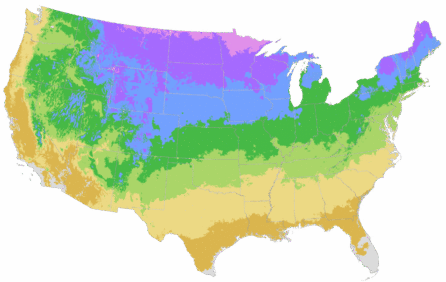
Your USDA Cold Hardiness Zone:
| Description | The dome of blade-like dark green foliage becomes covered with wine-red blooms. Excellent for edging or as a tightly spaced groundcover for mass color. Well suited to rock gardens and dry stream beds. Perfect size for pots and troughs. An herbaceous perennial. |
|---|---|
| Bloom Time | Spring |
| Deciduous/Evergreen | Herbaceous |
| Special Features | Attracts Pollinators |
| Problems/Solutions | Coastal Exposure, Deer Resistant, Erosion Control, Rabbit Resistant |
| Growth Rate | Moderate |
| Flower Attributes | Showy Flowers |
| Landscape Use | Border, Container, Ground Cover, Edging |
| Design Ideas | Little thrift is remarkably versatile offering a perfect perennial for pots and troughs. Plant in masses for a "lawn" that blooms. Nestles around rocks and dry stream beds for naturalistic looks. Makes a prim edging for smaller city gardens and to neaten up the front of a perennial border. Use to fill in gaps around the edges of pools and water gardens. |
| Flower Color | Red |
| Foliage Color | Green |
| Companion Plants | Grow thrift with other small stature beauties such as Emerald Blue Creeping Phlox, (Phlox subulata 'Emerald Blue'), Blue Clips Carpathian Harebell, (Campanula carpatica 'Deep Blue Clips'), May Night Sage, (Salvia x sylvestris 'May Night') and Thumbelina Leight English Lavender, (Lavandula angustifolia 'Thumbelina Leigh'). |
| Care Instructions | Thrives in well-drained, loamy to sandy soils; shelter from harsh afternoon sun in hot summer regions. Water deeply, regularly in first growing season to establish root system; once established, tolerates mild drought. Avoid excessive winter moisture. Feed regularly throughout growing season. Remove spent flowers to promote repeat bloom. |
| History | The species name attests to its origin as a maritime coastal plant native to Europe. In the famous 17th century herbal, John Parkinson explains that it was a valuable ornamental plant for knot garden. Early cultivars of the species result from the crossing with A. setacea and the larger A. alliacea. |
| Lore | These plants survive on the wild rocky cliffs and salt marshes of the coast where they prove quite tolerant of high salt and copper concentrations in the soils. |
Details
| Description | The dome of blade-like dark green foliage becomes covered with wine-red blooms. Excellent for edging or as a tightly spaced groundcover for mass color. Well suited to rock gardens and dry stream beds. Perfect size for pots and troughs. An herbaceous perennial. |
|---|---|
| Bloom Time | Spring |
| Deciduous/Evergreen | Herbaceous |
| Special Features | Attracts Pollinators |
| Problems/Solutions | Coastal Exposure, Deer Resistant, Erosion Control, Rabbit Resistant |
| Growth Rate | Moderate |
| Flower Attributes | Showy Flowers |
Style
| Landscape Use | Border, Container, Ground Cover, Edging |
|---|---|
| Design Ideas | Little thrift is remarkably versatile offering a perfect perennial for pots and troughs. Plant in masses for a "lawn" that blooms. Nestles around rocks and dry stream beds for naturalistic looks. Makes a prim edging for smaller city gardens and to neaten up the front of a perennial border. Use to fill in gaps around the edges of pools and water gardens. |
| Flower Color | Red |
| Foliage Color | Green |
| Companion Plants | Grow thrift with other small stature beauties such as Emerald Blue Creeping Phlox, (Phlox subulata 'Emerald Blue'), Blue Clips Carpathian Harebell, (Campanula carpatica 'Deep Blue Clips'), May Night Sage, (Salvia x sylvestris 'May Night') and Thumbelina Leight English Lavender, (Lavandula angustifolia 'Thumbelina Leigh'). |
Care
| Care Instructions | Thrives in well-drained, loamy to sandy soils; shelter from harsh afternoon sun in hot summer regions. Water deeply, regularly in first growing season to establish root system; once established, tolerates mild drought. Avoid excessive winter moisture. Feed regularly throughout growing season. Remove spent flowers to promote repeat bloom. |
|---|
History
| History | The species name attests to its origin as a maritime coastal plant native to Europe. In the famous 17th century herbal, John Parkinson explains that it was a valuable ornamental plant for knot garden. Early cultivars of the species result from the crossing with A. setacea and the larger A. alliacea. |
|---|---|
| Lore | These plants survive on the wild rocky cliffs and salt marshes of the coast where they prove quite tolerant of high salt and copper concentrations in the soils. |
Retailers Near You
About Us
We have been pioneers and craftsmen in the art of growing plants for 100 years. Since our founding in Southern California by Harry E. Rosedale, Sr. in 1926, we have been absolutely dedicated and obsessed with quality.
We have been pioneers and craftsmen in the art of growing plants for nearly 100 years. Since our founding in Southern California by Harry E. Rosedale, Sr. in 1926, we have been absolutely dedicated and obsessed with quality.