
You're growing in this Zip Code:
Change LocationDiscover Plants for Your Area
Spotted White Rock Rose
Cistus x aguilarii 'Maculatus'
Pronunciation: SIS-tus la-DAH-ni-fer mak-u-LA-tus
SKU #02455
LIGHT:
Full sun
WATER:
Once established water during dry spells.
SIZE:
Moderate grower to 4 to 6 ft. tall and wide.

Retailers Near You
| Description | Sturdy shrub considered one of the showiest of the white-flowered rock roses. Large, single white flowers with maroon spots are displayed in profusion in spring. Excellent for firescaping, on dry banks, in rock gardens or an accent plant. Evergreen. |
|---|---|
| Bloom Time | Spring |
| Deciduous/Evergreen | Evergreen |
| Special Features | Attracts Butterflies, Easy Care, Waterwise, Attracts Pollinators |
| Problems/Solutions | Deer Resistant, Erosion Control |
| Growth Rate | Moderate |
| Flower Attributes | Long Bloom Season, Showy Flowers |
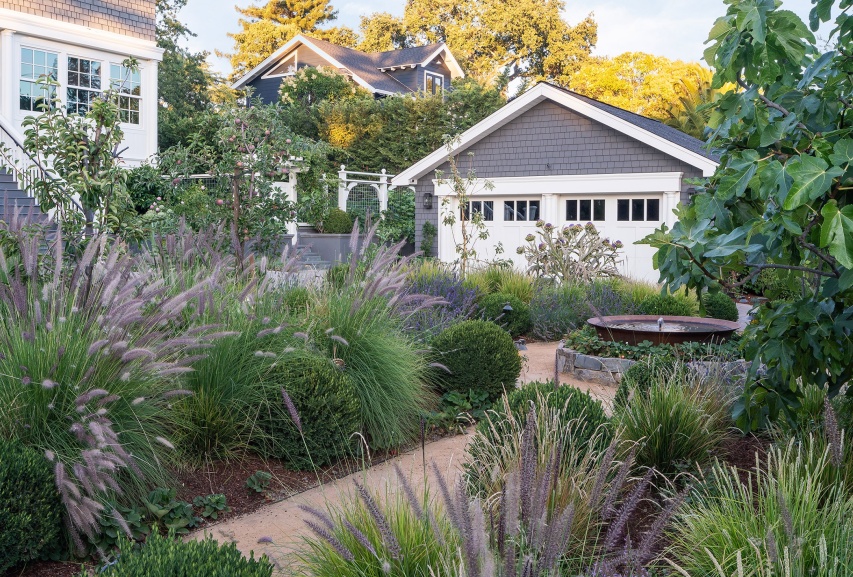
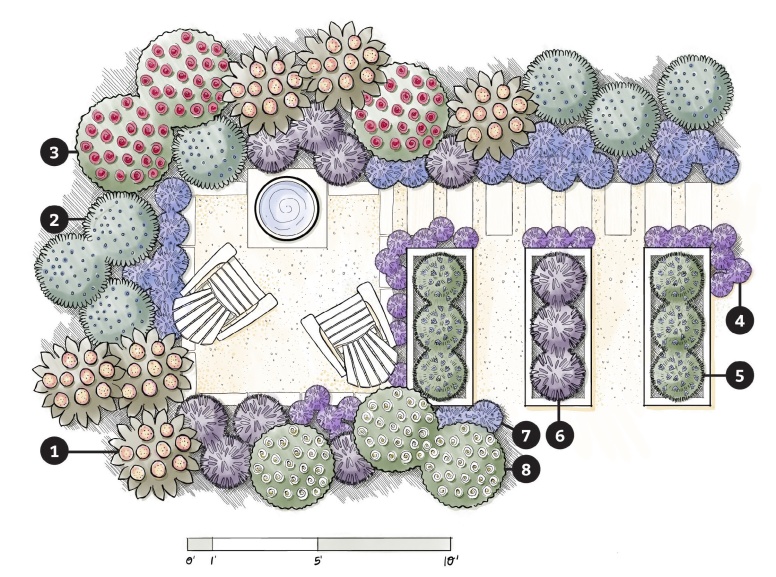
| Design Ideas | Excellent shrub for dry gardens thriving on banks, slopes and open areas. Beautiful planted in small irregular groups in conjunction with rock surfacing and boulders. Stands nicely with arid western natives as well as the Mediterraneans of its homeland. Evergreen beauty for Spanish style homes with stucco exteriors as well as Craftsman bungalows. |
| Flower Color | White |
| Foliage Color | Gray-green |
| Companion Plants | Lavender (Lavandula); Dwarf Olive (Olea); Rosemary (Rosmarinus); Yarrow (Achillea); Sedum (Sedum) |
| Care Instructions | Follow a regular watering schedule during the first growing season to establish a deep, extensive root system. Drought tolerant, once established. Feed with a general purpose fertilizer before new growth begins in spring. Does not tolerate or need heavy pruning. |
| History | Parentage: C. ladanifer x C. populifolius, backcrossed with C. ladanifer. The rockrose is among the recognized species native to the Mediterranean and the richest in commercially harvested oil. The genus Cistus was named after the original Greek name for the plant which is indigenous there. With twenty species native to this region there's much debate because demand for rockrose oil in ancient times caused the plants to be redistributed by growers. In the 1820s the rockrose enjoyed a rise in interest so that 112 varieties were known. Edouard Bernet of Antibes became a specialist and over fifteen years from 1860 to 1875 increased that number to 234. Most of these have disappeared with the demand for this oil. |
| Lore | The oil of rockrose was called "vegetable ambergris" because it was an ancient alternative to the rare whale ambergris treasured by the perfume and incense trade. |
Details
| Description | Sturdy shrub considered one of the showiest of the white-flowered rock roses. Large, single white flowers with maroon spots are displayed in profusion in spring. Excellent for firescaping, on dry banks, in rock gardens or an accent plant. Evergreen. |
|---|---|
| Bloom Time | Spring |
| Deciduous/Evergreen | Evergreen |
| Special Features | Attracts Butterflies, Easy Care, Waterwise, Attracts Pollinators |
| Problems/Solutions | Deer Resistant, Erosion Control |
| Growth Rate | Moderate |
| Flower Attributes | Long Bloom Season, Showy Flowers |
Style
| Design Ideas | Excellent shrub for dry gardens thriving on banks, slopes and open areas. Beautiful planted in small irregular groups in conjunction with rock surfacing and boulders. Stands nicely with arid western natives as well as the Mediterraneans of its homeland. Evergreen beauty for Spanish style homes with stucco exteriors as well as Craftsman bungalows. |
|---|---|
| Flower Color | White |
| Foliage Color | Gray-green |
| Companion Plants | Lavender (Lavandula); Dwarf Olive (Olea); Rosemary (Rosmarinus); Yarrow (Achillea); Sedum (Sedum) |
Care
| Care Instructions | Follow a regular watering schedule during the first growing season to establish a deep, extensive root system. Drought tolerant, once established. Feed with a general purpose fertilizer before new growth begins in spring. Does not tolerate or need heavy pruning. |
|---|
History
| History | Parentage: C. ladanifer x C. populifolius, backcrossed with C. ladanifer. The rockrose is among the recognized species native to the Mediterranean and the richest in commercially harvested oil. The genus Cistus was named after the original Greek name for the plant which is indigenous there. With twenty species native to this region there's much debate because demand for rockrose oil in ancient times caused the plants to be redistributed by growers. In the 1820s the rockrose enjoyed a rise in interest so that 112 varieties were known. Edouard Bernet of Antibes became a specialist and over fifteen years from 1860 to 1875 increased that number to 234. Most of these have disappeared with the demand for this oil. |
|---|---|
| Lore | The oil of rockrose was called "vegetable ambergris" because it was an ancient alternative to the rare whale ambergris treasured by the perfume and incense trade. |
Retailers Near You
About Us
We have been pioneers and craftsmen in the art of growing plants for 100 years. Since our founding in Southern California by Harry E. Rosedale, Sr. in 1926, we have been absolutely dedicated and obsessed with quality.
We have been pioneers and craftsmen in the art of growing plants for nearly 100 years. Since our founding in Southern California by Harry E. Rosedale, Sr. in 1926, we have been absolutely dedicated and obsessed with quality.