
You're growing in this Zip Code:
Discover Plants for Your Area
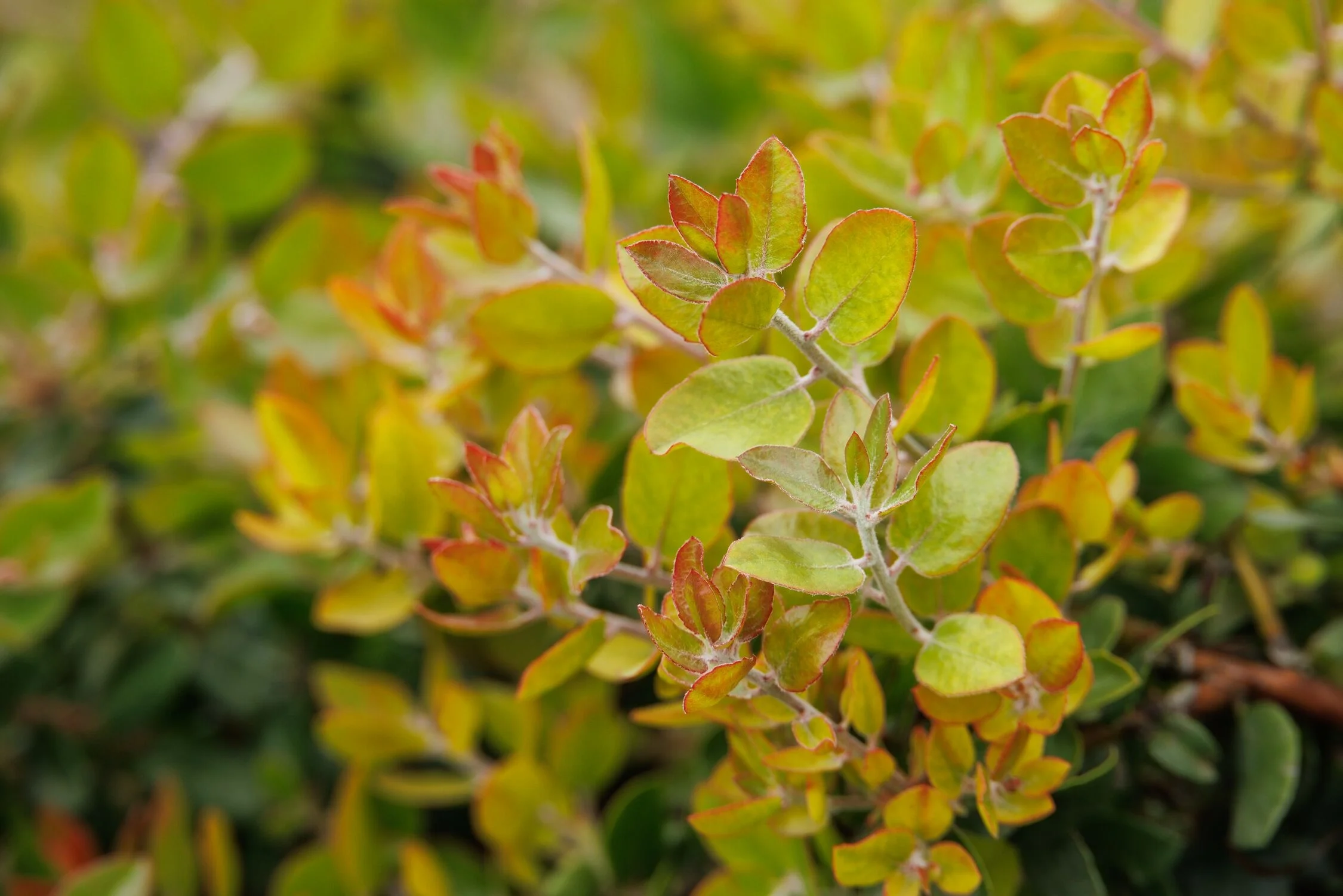
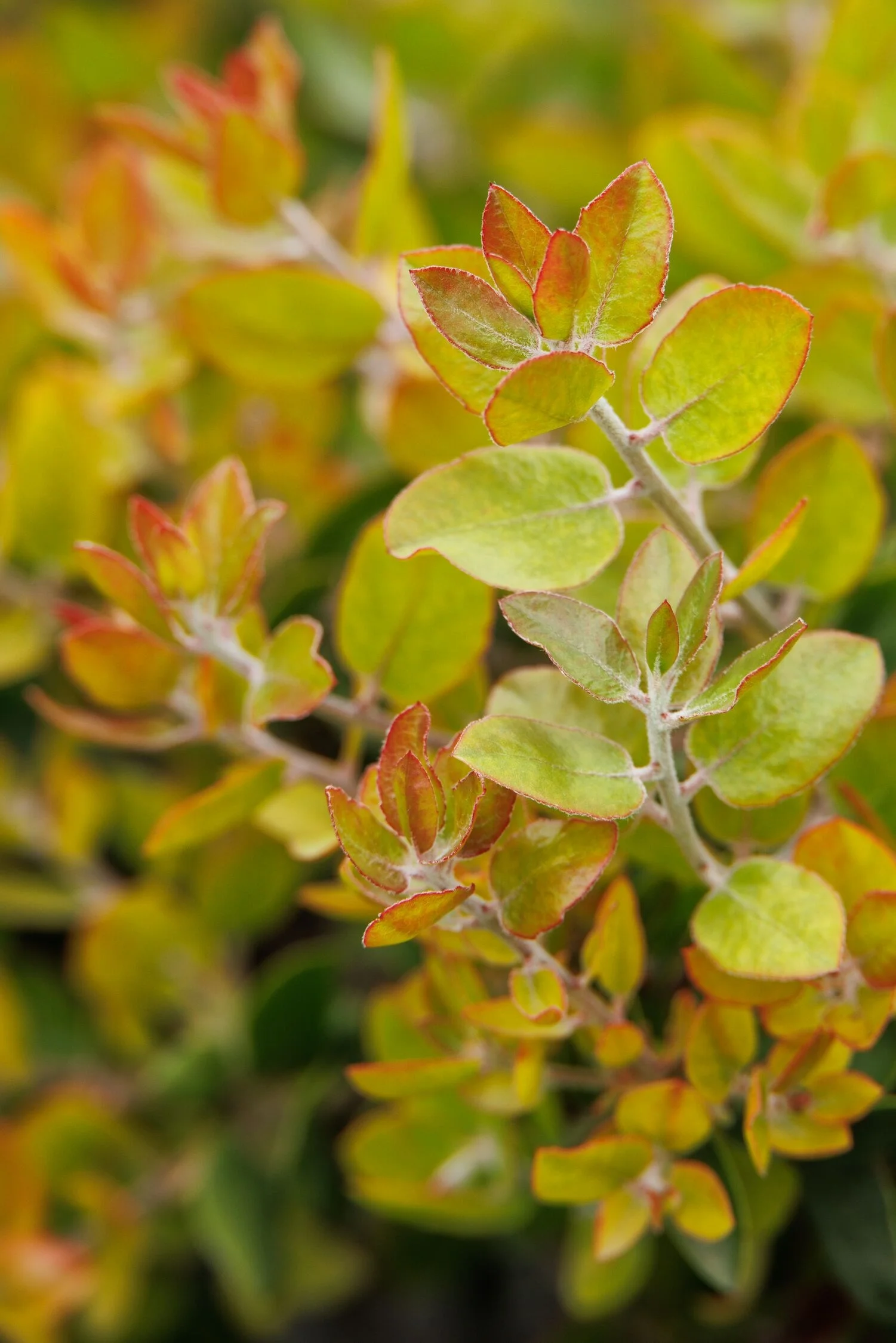
Sunset Manzanita
Arctostaphylos x 'Sunset'
SKU #47163
LIGHT:
Full sun
WATER:
Once established, water occasionally.
SIZE:
Reaches 4 to 5 ft. tall and wide.

Retailers Near You
Ready to Grow?
Ship Monrovia plants directly to your door. Browse a curated selection available online.
Shop Now >This Plant's Growing Zones: 7-10
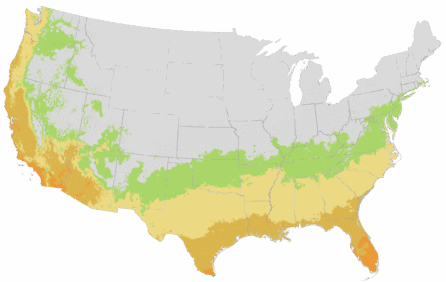
Your USDA Cold Hardiness Zone:
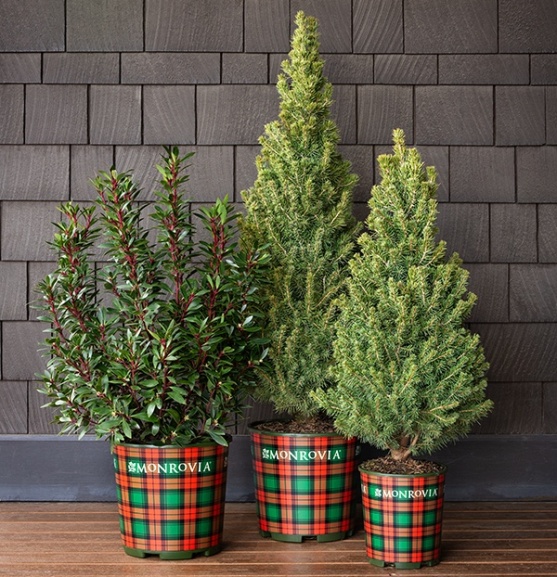
| Description | An adaptive evergreen shrub, with small leaves that first emerge coppery orange before turning green. Pinkish-white urn-shaped flowers attract pollinators in later winter or early spring. This west coast native adapts well to garden settings. Once established, it needs little to no supplemental water in coastal climates, while also being exceptionally tolerant of heat, and poor, compacted soil. Evergreen. |
|---|---|
| Bloom Time | Late winter to early spring |
| Deciduous/Evergreen | Evergreen |
| Special Features | Waterwise, Multi-Season Interest, North American Native, Heat Loving |
| Problems/Solutions | Coastal Exposure, Deer Resistant, Drought Tolerant |
| Growth Rate | Moderate |
| Growth Habit | Rounded |
| Landscape Use | Border, Hedge |
| Flower Color | White |
| Foliage Color | Green |
| Care Instructions | Water deeply in the first growing season to establish an extensive root system. Drought tolerant once established; may need more water in hot, inland areas. Best in average to poor soils. Tolerates compacted soil. Rich soil and excessive summer water leads to rapid growth and a shorter-lived plant. Does not need pruning, but can be pinched back to encourage denser growth if desired. Provide a layer of mulch once a year. Not other amendments or fertilizers are necessary. |
| History | This plant was discovered in 1965 by Roman Ganklin and W. Richard Hildreth in chaparral near Prunedale in Monterey County, CA, while on a plant collection trip for the UC Davis Arboretum. The plant was noted to exhibit characteristics intermediate between Arctostaphylos pajaroensis and A. hookeri, the two species growing at this location. Cuttings of it were rooted and planted at the arboretum and plants were shared with the Saratoga Horticultural Foundation where it was trialed and released with the name commemorating the 75th anniversary of Sunset Magazine in 1973. |
Details
| Description | An adaptive evergreen shrub, with small leaves that first emerge coppery orange before turning green. Pinkish-white urn-shaped flowers attract pollinators in later winter or early spring. This west coast native adapts well to garden settings. Once established, it needs little to no supplemental water in coastal climates, while also being exceptionally tolerant of heat, and poor, compacted soil. Evergreen. |
|---|---|
| Bloom Time | Late winter to early spring |
| Deciduous/Evergreen | Evergreen |
| Special Features | Waterwise, Multi-Season Interest, North American Native, Heat Loving |
| Problems/Solutions | Coastal Exposure, Deer Resistant, Drought Tolerant |
| Growth Rate | Moderate |
| Growth Habit | Rounded |
Style
| Landscape Use | Border, Hedge |
|---|---|
| Flower Color | White |
| Foliage Color | Green |
Care
| Care Instructions | Water deeply in the first growing season to establish an extensive root system. Drought tolerant once established; may need more water in hot, inland areas. Best in average to poor soils. Tolerates compacted soil. Rich soil and excessive summer water leads to rapid growth and a shorter-lived plant. Does not need pruning, but can be pinched back to encourage denser growth if desired. Provide a layer of mulch once a year. Not other amendments or fertilizers are necessary. |
|---|
History
| History | This plant was discovered in 1965 by Roman Ganklin and W. Richard Hildreth in chaparral near Prunedale in Monterey County, CA, while on a plant collection trip for the UC Davis Arboretum. The plant was noted to exhibit characteristics intermediate between Arctostaphylos pajaroensis and A. hookeri, the two species growing at this location. Cuttings of it were rooted and planted at the arboretum and plants were shared with the Saratoga Horticultural Foundation where it was trialed and released with the name commemorating the 75th anniversary of Sunset Magazine in 1973. |
|---|
Retailers Near You
About Us
We have been pioneers and craftsmen in the art of growing plants for 100 years. Since our founding in Southern California by Harry E. Rosedale, Sr. in 1926, we have been absolutely dedicated and obsessed with quality.
We have been pioneers and craftsmen in the art of growing plants for nearly 100 years. Since our founding in Southern California by Harry E. Rosedale, Sr. in 1926, we have been absolutely dedicated and obsessed with quality.