
You're growing in this Zip Code:
Change LocationDiscover Plants for Your Area
Sunset Pink Azalea
Azalea x 'Sunset Pink' (Exbury Hybrid)
Pronunciation: uh-ZAY-lee-uh
SKU #00855
LIGHT:
Full sun, Partial sun
WATER:
Keep soil moist but not soggy.
SIZE:
Moderate growing; reaches 6 to 8 ft. tall, 4 to 6 ft. wide.

Retailers Near You
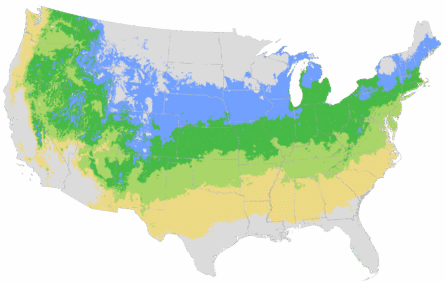
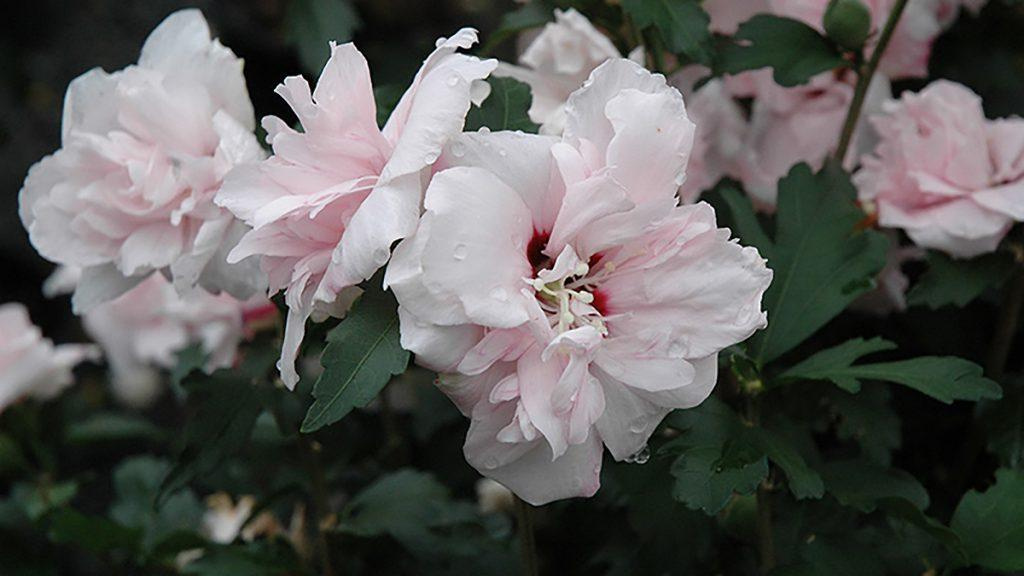

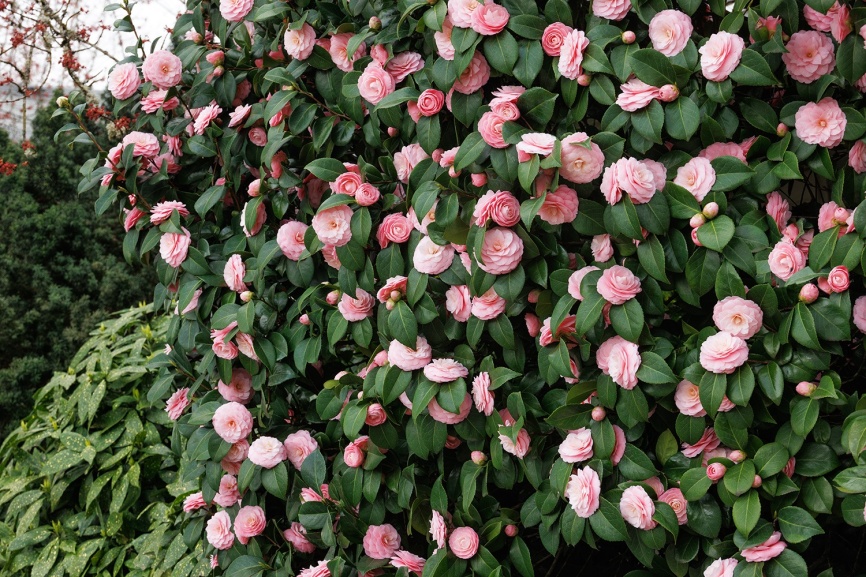
| Description | An extremely hardy selection that provides a massive display of large flower trusses of exquisite rose-pink blooms, each with an orange-yellow blotch. The mounding form with bright green foliage is excellent for massing in shrub borders and perennial beds, or as a sensational flowering foundation plant. Deciduous. |
|---|---|
| Bloom Time | Mid to late spring |
| Deciduous/Evergreen | Deciduous |
| Special Features | Easy Care, Attracts Pollinators |
| Growth Rate | Moderate |
| Growth Habit | Rounded |
| Flower Attributes | Showy Flowers |
| Landscape Use | Border, Container, Hedge |
| Design Ideas | Exceptional early spring color for beds, borders and foundation planting. Add to perimeter plantings. A natural beneath large tree groves and the verges of wildlands or naturalistic landscapes. A traditional choice for Asian inspired gardens. Bold color for reflecting pools and water gardens. |
| Flower Color | Pink |
| Foliage Color | Green |
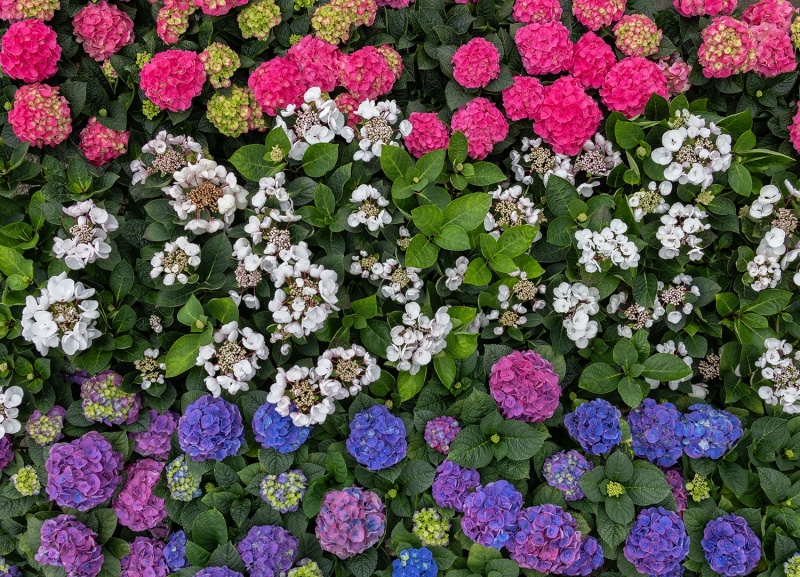
| Companion Plants | Hydrangea (Hydrangea); Oregon Grape Holly (Mahonia); Astilbe (Astilbe); Bleeding Heart (Dicentra); Coral Bells (Heuchera) |
| Care Instructions | Thrives in humus-rich, acidic, well-drained soils. Shelter from harsh sun exposures in hot summer areas. Water deeply, regularly in first few growing seasons to establish root system; once established, maintain evenly moist soil. Keep roots cool with a layer of mulch. Prune to shape and apply an acid fertilizer after flowering. |
| History | The breeding these azaleas began early on in Japan centuries before it was opened to western botanists. The Exbury Hybrids were developed by Baron von Rothschild at his Exbury, England estate. During the 1920s and 30s, he combined existing hybrids with those imported from North America, Japan and China to produce some truly astounding new plants. Exbuys did not do well in the American South where so many other azaleas thrive due to a marked intolerance of extreme heat. However, Exburys have been used by southern breeders in the ancestry of modern hybrids due to the improvement in flower size and quantity. |
| Lore | Though they are known as azaleas, all azalea hybrids are technically members of the genus Rhododendron. Azaleas and cherry blossoms are the two plants that symbolize spring in the Japanese tea garden. |
Details
| Description | An extremely hardy selection that provides a massive display of large flower trusses of exquisite rose-pink blooms, each with an orange-yellow blotch. The mounding form with bright green foliage is excellent for massing in shrub borders and perennial beds, or as a sensational flowering foundation plant. Deciduous. |
|---|---|
| Bloom Time | Mid to late spring |
| Deciduous/Evergreen | Deciduous |
| Special Features | Easy Care, Attracts Pollinators |
| Growth Rate | Moderate |
| Growth Habit | Rounded |
| Flower Attributes | Showy Flowers |
Style
| Landscape Use | Border, Container, Hedge |
|---|---|
| Design Ideas | Exceptional early spring color for beds, borders and foundation planting. Add to perimeter plantings. A natural beneath large tree groves and the verges of wildlands or naturalistic landscapes. A traditional choice for Asian inspired gardens. Bold color for reflecting pools and water gardens. |
| Flower Color | Pink |
| Foliage Color | Green |
| Companion Plants | Hydrangea (Hydrangea); Oregon Grape Holly (Mahonia); Astilbe (Astilbe); Bleeding Heart (Dicentra); Coral Bells (Heuchera) |
Care
| Care Instructions | Thrives in humus-rich, acidic, well-drained soils. Shelter from harsh sun exposures in hot summer areas. Water deeply, regularly in first few growing seasons to establish root system; once established, maintain evenly moist soil. Keep roots cool with a layer of mulch. Prune to shape and apply an acid fertilizer after flowering. |
|---|
History
| History | The breeding these azaleas began early on in Japan centuries before it was opened to western botanists. The Exbury Hybrids were developed by Baron von Rothschild at his Exbury, England estate. During the 1920s and 30s, he combined existing hybrids with those imported from North America, Japan and China to produce some truly astounding new plants. Exbuys did not do well in the American South where so many other azaleas thrive due to a marked intolerance of extreme heat. However, Exburys have been used by southern breeders in the ancestry of modern hybrids due to the improvement in flower size and quantity. |
|---|---|
| Lore | Though they are known as azaleas, all azalea hybrids are technically members of the genus Rhododendron. Azaleas and cherry blossoms are the two plants that symbolize spring in the Japanese tea garden. |
Retailers Near You
About Us
We have been pioneers and craftsmen in the art of growing plants for 100 years. Since our founding in Southern California by Harry E. Rosedale, Sr. in 1926, we have been absolutely dedicated and obsessed with quality.
We have been pioneers and craftsmen in the art of growing plants for nearly 100 years. Since our founding in Southern California by Harry E. Rosedale, Sr. in 1926, we have been absolutely dedicated and obsessed with quality.