
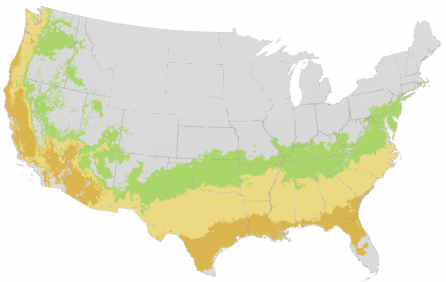
You're growing in this Zip Code:
Change LocationDiscover Plants for Your Area
Suzanne Fringe Flower
Loropetalum chinense 'Suzanne'
Pronunciation: lor-oh-PET-ah-lum chi-NEN-see
SKU #00993
LIGHT:
Full sun, Partial sun
WATER:
Water when top 3 inches of soil is dry.
SIZE:
Compact grower to 3 to 4 ft. tall and wide.

Retailers Near You

| Description | The deep, reddish maroon colored foliage is covered by masses of fragrant hot pink flower clusters. Mature specimens have attractive peeling bark. Makes a fine accent, border, or screen plant. Mass together for an exciting display of color. Evergreen. |
|---|---|
| Bloom Time | Spring, repeating through summer and fall. |
| Deciduous/Evergreen | Evergreen |
| Special Features | Attractive Bark, Dramatic Foliage Color, Compact Form |
| Growth Rate | Moderate |
| Growth Habit | Rounded |
| Flower Attributes | Fragrant, Showy Flowers |
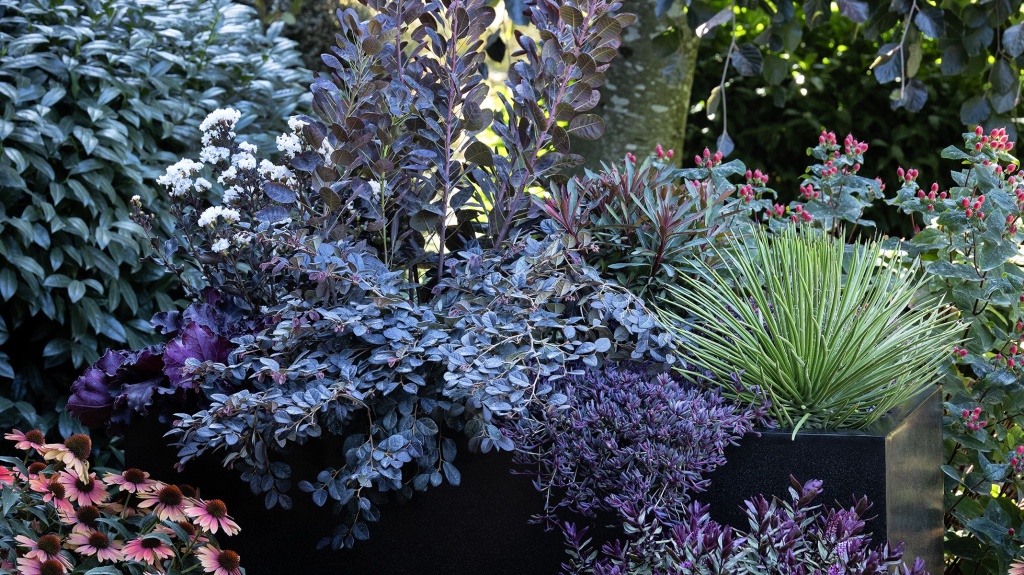
| Landscape Use | Container, Hedge |
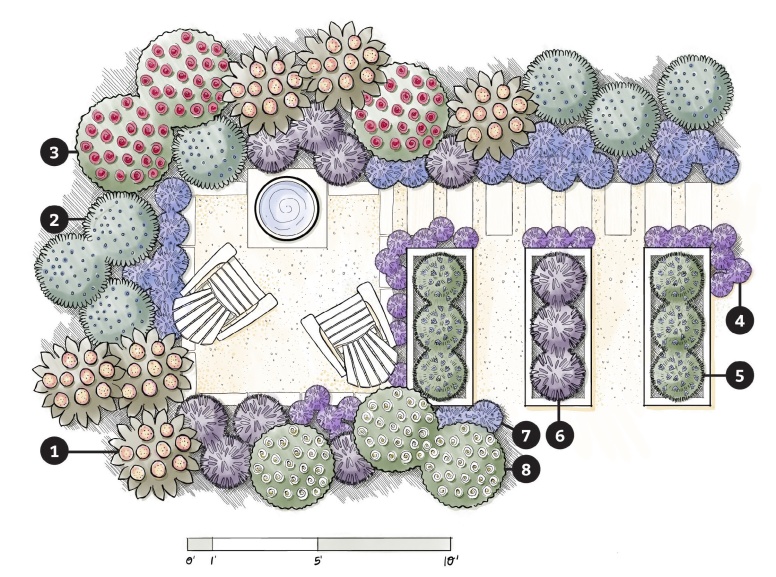
| Design Ideas | This smaller fringe flower makes a bold statement in foundation planting along building walls and fence lines. Add to a mixed border for outstanding burgundy foliage accent. Integrate into the back of the perennial border for contrast opportunities. Looks natural in woodland landscapes where left to grow in natural style. |
| Flower Color | Pink |
| Foliage Color | Red |
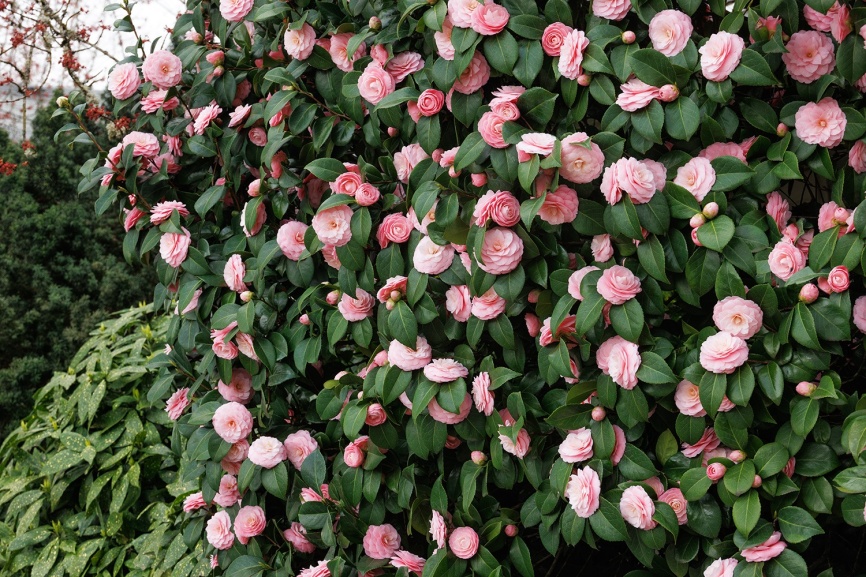
| Companion Plants | Heavenly Bamboo (Nandina); Smoke Tree (Cotinus); Kohuhu (Pittosporum); Juniper (Juniperus); Camellia (Camellia) |
| Care Instructions | Follow a regular watering schedule during the first growing season to establish a deep, extensive root system. Provide well drained soil, rich in organic matter. Feed with an acid fertilizer after bloom. Keep roots cool with a thick layer of mulch. |
| History | This group is a new plant introduced from China in 1990. However, the genus was known and classified by Robert Brown in the middle 19th century, naming it from the Greek for loros for strap and petalum. Flower shape attests to its relationship to the witch hazels of America. It is the only cultivated species in the entire genus and native to a large range of China and India. The first purple leaf varieties known under L. chinense var rubrum were discovered in Hunan Province in 1942, kicking off the contemporary flush of breeding. |
| Lore | The red leaf Loropetalum was found in China at the same time and perhaps by the very same expedition that discovered the dawn redwood, a plant formerly thought extinct. |
Details
| Description | The deep, reddish maroon colored foliage is covered by masses of fragrant hot pink flower clusters. Mature specimens have attractive peeling bark. Makes a fine accent, border, or screen plant. Mass together for an exciting display of color. Evergreen. |
|---|---|
| Bloom Time | Spring, repeating through summer and fall. |
| Deciduous/Evergreen | Evergreen |
| Special Features | Attractive Bark, Dramatic Foliage Color, Compact Form |
| Growth Rate | Moderate |
| Growth Habit | Rounded |
| Flower Attributes | Fragrant, Showy Flowers |
Style
| Landscape Use | Container, Hedge |
|---|---|
| Design Ideas | This smaller fringe flower makes a bold statement in foundation planting along building walls and fence lines. Add to a mixed border for outstanding burgundy foliage accent. Integrate into the back of the perennial border for contrast opportunities. Looks natural in woodland landscapes where left to grow in natural style. |
| Flower Color | Pink |
| Foliage Color | Red |
| Companion Plants | Heavenly Bamboo (Nandina); Smoke Tree (Cotinus); Kohuhu (Pittosporum); Juniper (Juniperus); Camellia (Camellia) |
Care
| Care Instructions | Follow a regular watering schedule during the first growing season to establish a deep, extensive root system. Provide well drained soil, rich in organic matter. Feed with an acid fertilizer after bloom. Keep roots cool with a thick layer of mulch. |
|---|
History
| History | This group is a new plant introduced from China in 1990. However, the genus was known and classified by Robert Brown in the middle 19th century, naming it from the Greek for loros for strap and petalum. Flower shape attests to its relationship to the witch hazels of America. It is the only cultivated species in the entire genus and native to a large range of China and India. The first purple leaf varieties known under L. chinense var rubrum were discovered in Hunan Province in 1942, kicking off the contemporary flush of breeding. |
|---|---|
| Lore | The red leaf Loropetalum was found in China at the same time and perhaps by the very same expedition that discovered the dawn redwood, a plant formerly thought extinct. |
Retailers Near You
About Us
We have been pioneers and craftsmen in the art of growing plants for 100 years. Since our founding in Southern California by Harry E. Rosedale, Sr. in 1926, we have been absolutely dedicated and obsessed with quality.
We have been pioneers and craftsmen in the art of growing plants for nearly 100 years. Since our founding in Southern California by Harry E. Rosedale, Sr. in 1926, we have been absolutely dedicated and obsessed with quality.