
You're growing in this Zip Code:
Discover Plants for Your Area
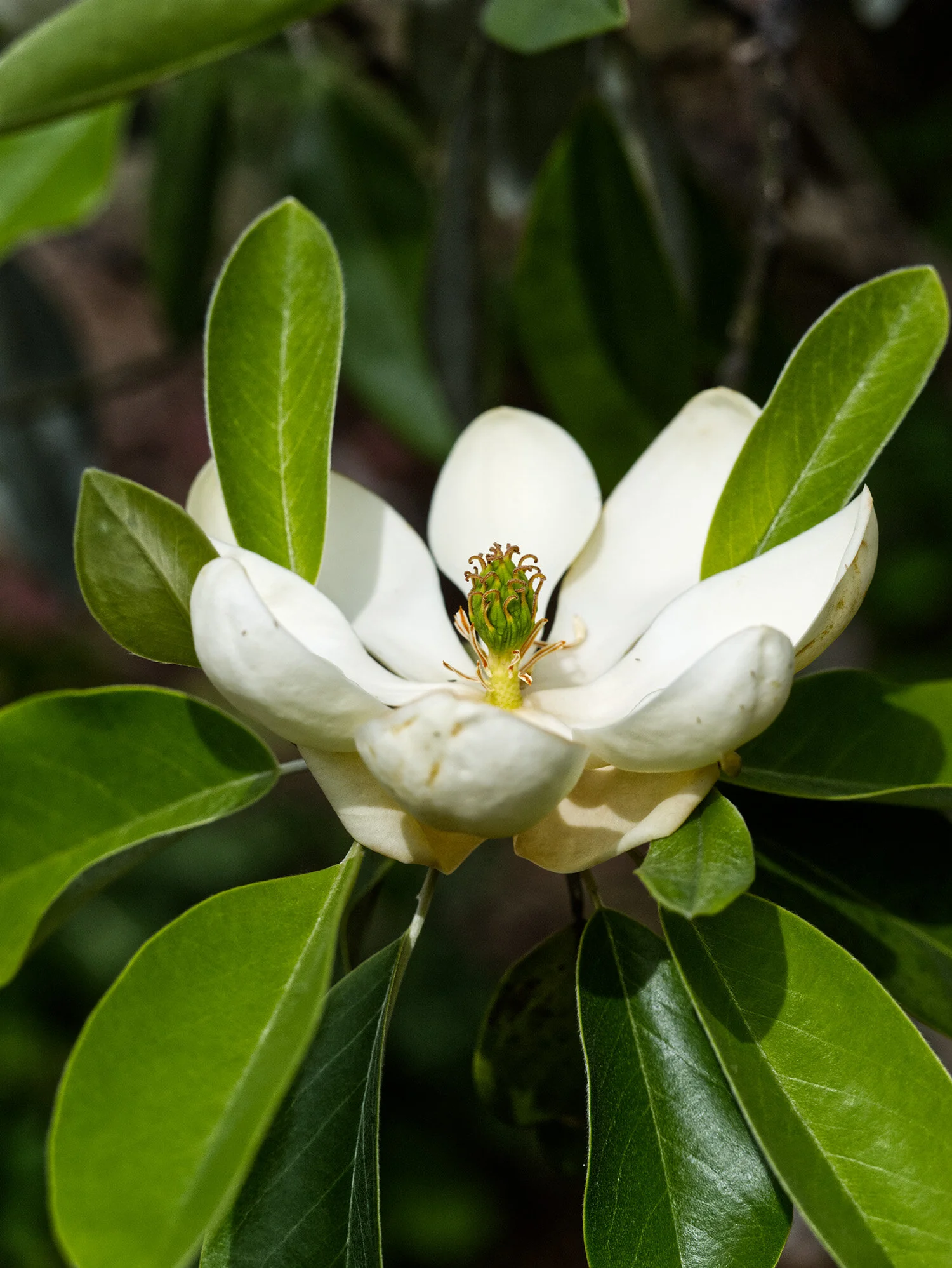
Sweet Bay Magnolia
Magnolia virginiana
SKU #06042
LIGHT:
Partial sun
WATER:
Once established, water deeply when dry.
SIZE:
Moderate growing to 12 to 20 ft. tall and wide.

Retailers Near You
Ready to Grow?
Ship Monrovia plants directly to your door. Browse a curated selection available online.
Shop Now >This Plant's Growing Zones: 5-9
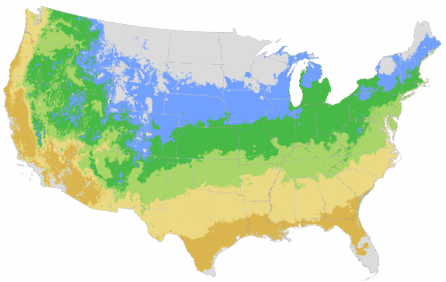
Your USDA Cold Hardiness Zone:
| Description | A handsome semi-evergreen tree with 2 to 3 in. creamy-white, lemon-scented flowers against a background of glossy green leaves. Native to the eastern United States. Unlike other Magnolias, it can tolerate wet, boggy soils. A lovely shade or specimen tree. |
|---|---|
| Bloom Time | Summer |
| Deciduous/Evergreen | Evergreen |
| Special Features | North American Native |
| Problems/Solutions | Coastal Exposure, Deer Resistant, Rabbit Resistant, Very Wet Areas |
| Growth Rate | Moderate |
| Growth Habit | Rounded |
| Flower Attributes | Fragrant, Showy Flowers |
| Design Ideas | Exceptional southeastern native that remains small and yet blooms well enough to become a carefree specimen. Perfect for smaller suburban landscapes where M. grandiflora is too large. Tall form is ideal for separating multistory homes or for shading sideyards. Integrate into woodlands or to add relief against fine textured evergreen conifers. A natural for historic sites in the South. |
| Flower Color | White |
| Foliage Color | Green |
| Companion Plants | Group this gree with other stellar Southern natives such as Crimson Wonder Rose Mallow, (Hibiscus 'Crimson Wonder'), Balboa Sunset Trumpet Vine, (Campsis radicans 'Monbal'), Blue Moon Kentucky Wisteria, (Wisteria macrostachya 'Blue Moon') and a non-native hallmark of the region, Seminole Crape Myrtle, (Lagerstroemia indica 'Seminole'). |
| Care Instructions | Prefers moist rich organic soils. Can tolerate moist, boggy soil and clay. Appreciates a protected location in Zone 5. Follow a regular watering schedule during the first growing season to establish a deep, extensive root system. Watering can be reduced after establishment. Feed with a general purpose fertilizer before new growth begins in spring. |
| History | This lovely native can be found along the coastal regions from Washington DC southward to Florida and then west to the Louisiana lowlands. |
| Lore | The fine wood of old trees is prised by craftsman for box wood and veneer. |
Details
| Description | A handsome semi-evergreen tree with 2 to 3 in. creamy-white, lemon-scented flowers against a background of glossy green leaves. Native to the eastern United States. Unlike other Magnolias, it can tolerate wet, boggy soils. A lovely shade or specimen tree. |
|---|---|
| Bloom Time | Summer |
| Deciduous/Evergreen | Evergreen |
| Special Features | North American Native |
| Problems/Solutions | Coastal Exposure, Deer Resistant, Rabbit Resistant, Very Wet Areas |
| Growth Rate | Moderate |
| Growth Habit | Rounded |
| Flower Attributes | Fragrant, Showy Flowers |
Style
| Design Ideas | Exceptional southeastern native that remains small and yet blooms well enough to become a carefree specimen. Perfect for smaller suburban landscapes where M. grandiflora is too large. Tall form is ideal for separating multistory homes or for shading sideyards. Integrate into woodlands or to add relief against fine textured evergreen conifers. A natural for historic sites in the South. |
|---|---|
| Flower Color | White |
| Foliage Color | Green |
| Companion Plants | Group this gree with other stellar Southern natives such as Crimson Wonder Rose Mallow, (Hibiscus 'Crimson Wonder'), Balboa Sunset Trumpet Vine, (Campsis radicans 'Monbal'), Blue Moon Kentucky Wisteria, (Wisteria macrostachya 'Blue Moon') and a non-native hallmark of the region, Seminole Crape Myrtle, (Lagerstroemia indica 'Seminole'). |
Care
| Care Instructions | Prefers moist rich organic soils. Can tolerate moist, boggy soil and clay. Appreciates a protected location in Zone 5. Follow a regular watering schedule during the first growing season to establish a deep, extensive root system. Watering can be reduced after establishment. Feed with a general purpose fertilizer before new growth begins in spring. |
|---|
History
| History | This lovely native can be found along the coastal regions from Washington DC southward to Florida and then west to the Louisiana lowlands. |
|---|---|
| Lore | The fine wood of old trees is prised by craftsman for box wood and veneer. |
Retailers Near You
About Us
We have been pioneers and craftsmen in the art of growing plants for 100 years. Since our founding in Southern California by Harry E. Rosedale, Sr. in 1926, we have been absolutely dedicated and obsessed with quality.
We have been pioneers and craftsmen in the art of growing plants for nearly 100 years. Since our founding in Southern California by Harry E. Rosedale, Sr. in 1926, we have been absolutely dedicated and obsessed with quality.