
You're growing in this Zip Code:
Discover Plants for Your Area
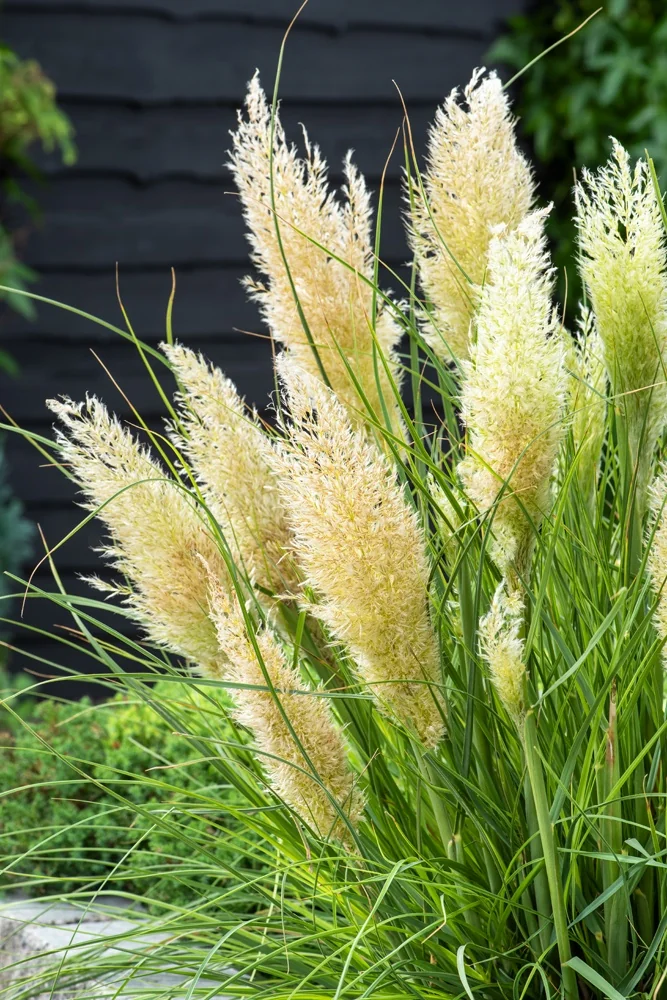
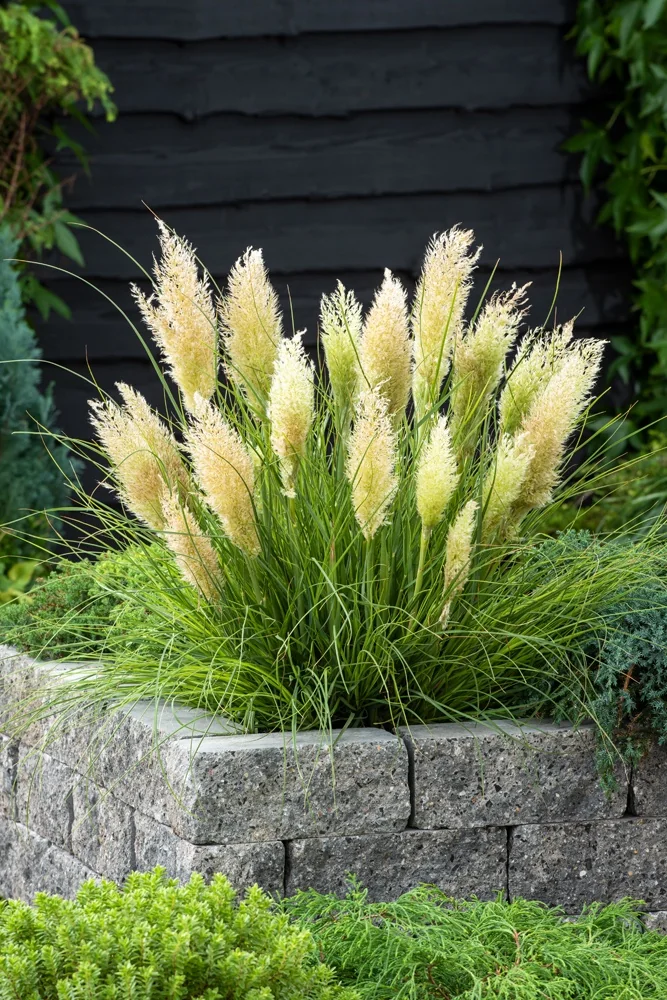
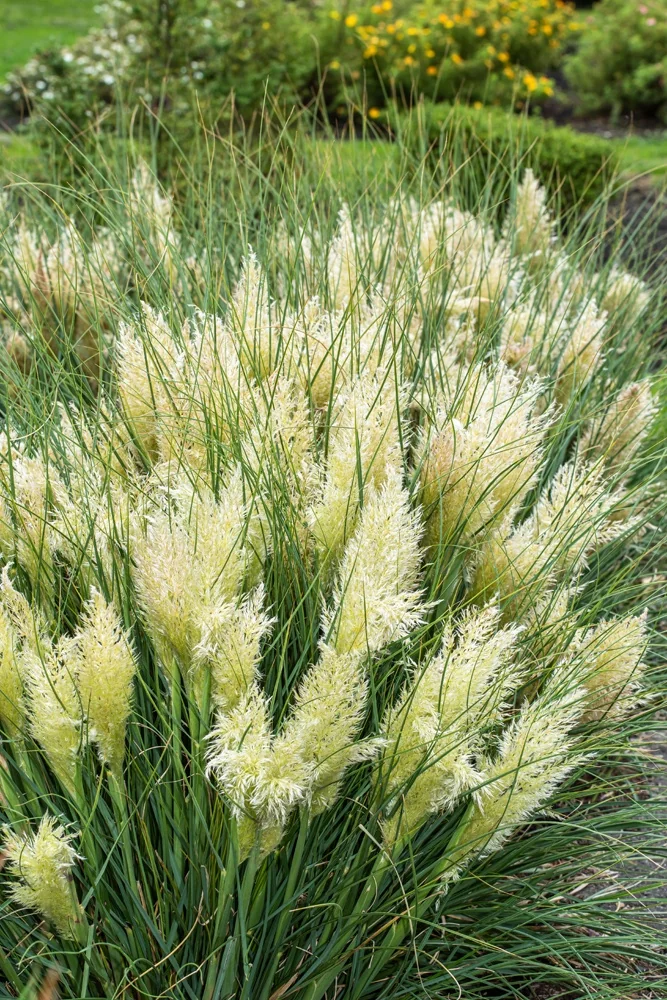
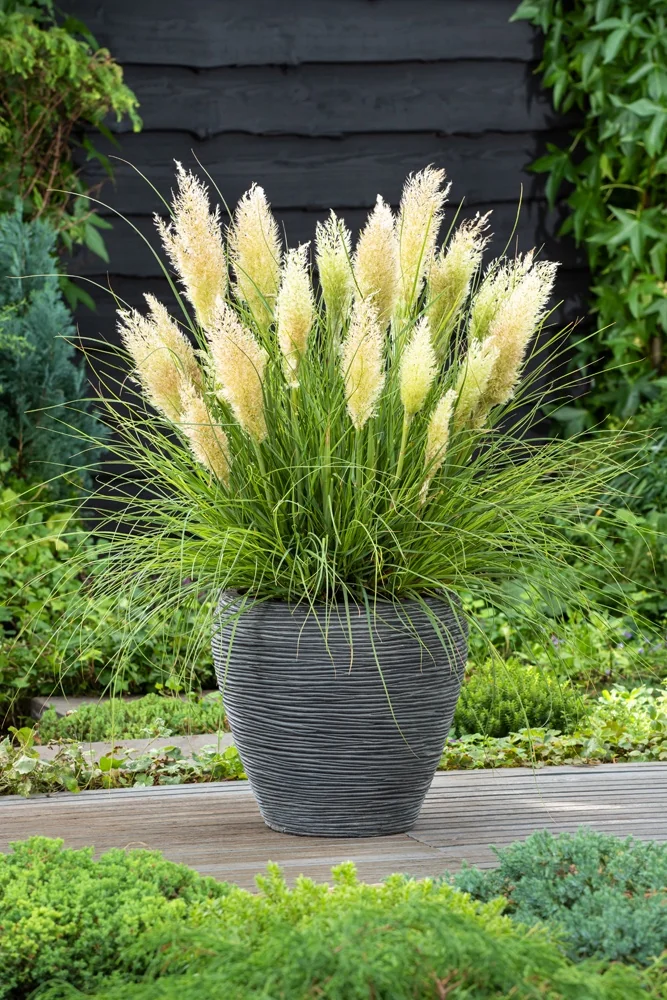
Tiny Pampa Pampas Grass
Cortaderia selloana 'Day10' PP #36,606
SKU #46520
LIGHT:
Full sun
WATER:
Once established water during dry spells.
SIZE:
Reaches just 2 ft. tall and wide.

Retailers Near You
Ready to Grow?
Ship Monrovia plants directly to your door. Browse a curated selection available online.
Shop Now >This Plant's Growing Zones: 7-11
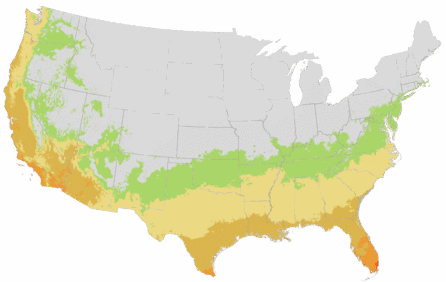
Your USDA Cold Hardiness Zone:
| Description | The most compact pampas grass on the market, growing to a fraction of the size of a traditional pampas grass while still boasting an abundance of large, feathery, creamy white panicles. Perfect for smaller gardens. in containers, or en masse in meadow gardens. Perennial. |
|---|---|
| Bloom Time | Fall |
| Deciduous/Evergreen | Herbaceous |
| Special Features | Waterwise, Non-toxic to Cats and Dogs, Heat Loving, Compact Form |
| Problems/Solutions | Coastal Exposure, Deer Resistant, Tolerates Urban Pollution |
| Growth Rate | Moderate |
| Patent Act | Asexual reproduction of plants protected by the Plant Patent Act is prohibited during the life of the patent. |
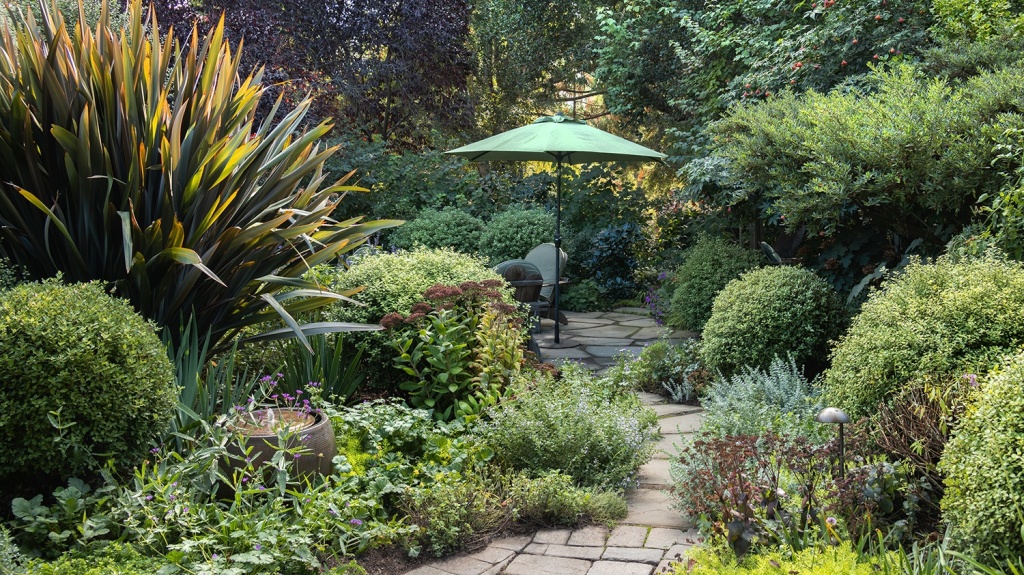
| Landscape Use | Border, Container |
| Flower Color | White |
| Foliage Color | Green |
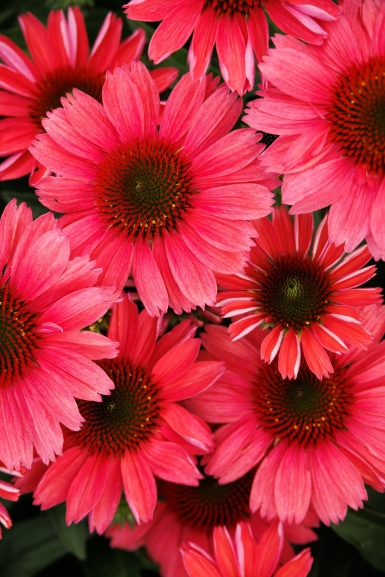
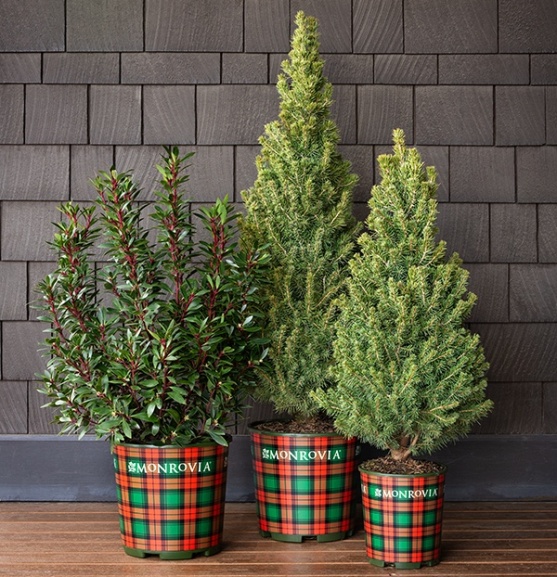
| Companion Plants | Ninebark (Physocarpus); Spruce (Picea); Yucca (Yucca); Russian Sage (Perovskia); Rosemary (Rosmarinus) |
| Care Instructions | Easily adapts to most soil types, provided they are well-drained. Water deeply, regularly during first growing season to establish an extensive root system; reduce frequency, once established. Control weeds until the plants have filled in. Apply fertilizer in winter. Hard prune old foliage to the ground in late winter, before new growth emerges. |
Details
| Description | The most compact pampas grass on the market, growing to a fraction of the size of a traditional pampas grass while still boasting an abundance of large, feathery, creamy white panicles. Perfect for smaller gardens. in containers, or en masse in meadow gardens. Perennial. |
|---|---|
| Bloom Time | Fall |
| Deciduous/Evergreen | Herbaceous |
| Special Features | Waterwise, Non-toxic to Cats and Dogs, Heat Loving, Compact Form |
| Problems/Solutions | Coastal Exposure, Deer Resistant, Tolerates Urban Pollution |
| Growth Rate | Moderate |
| Patent Act | Asexual reproduction of plants protected by the Plant Patent Act is prohibited during the life of the patent. |
Style
| Landscape Use | Border, Container |
|---|---|
| Flower Color | White |
| Foliage Color | Green |
| Companion Plants | Ninebark (Physocarpus); Spruce (Picea); Yucca (Yucca); Russian Sage (Perovskia); Rosemary (Rosmarinus) |
Care
| Care Instructions | Easily adapts to most soil types, provided they are well-drained. Water deeply, regularly during first growing season to establish an extensive root system; reduce frequency, once established. Control weeds until the plants have filled in. Apply fertilizer in winter. Hard prune old foliage to the ground in late winter, before new growth emerges. |
|---|
Retailers Near You
About Us
We have been pioneers and craftsmen in the art of growing plants for 100 years. Since our founding in Southern California by Harry E. Rosedale, Sr. in 1926, we have been absolutely dedicated and obsessed with quality.
We have been pioneers and craftsmen in the art of growing plants for nearly 100 years. Since our founding in Southern California by Harry E. Rosedale, Sr. in 1926, we have been absolutely dedicated and obsessed with quality.