
You're growing in this Zip Code:
Change LocationDiscover Plants for Your Area
Tomlinson Natal Plum
Carissa macrocarpa 'Tomlinson'
Pronunciation: kar-ISS-uh ma-kro-KAR-puh
SKU #02281
LIGHT:
Full sun
WATER:
Allow soil to dry between waterings.
SIZE:
Slowly reaches 2 to 3 ft. tall, 3 ft. wide.

Retailers Near You

| Description | An attractive dwarf evergreen shrub with lustrous, leathery leaves and a compact habit. Small thorns are tucked within the dense foliage - an improvement over thornier varieties. Fragrant white flowers produce edible, wine-red fruit. Excellent for foundation or hedge plantings, or for use as a container specimen. |
|---|---|
| Bloom Time | Intermittently spring to fall. |
| Deciduous/Evergreen | Evergreen |
| Special Features | Easy Care, Showy Fruit, Waterwise, Edible, Compact Form |
| Problems/Solutions | Coastal Exposure |
| Growth Rate | Slow |
| Growth Habit | Rounded |
| Flower Attributes | Fragrant, Long Bloom Season |
| Landscape Use | Barrier, Border, Hedge |
| Design Ideas | This Natal Plum is perfect for smaller bungalow gardens and anywhere space is limited. Provides low-maintenance, forest-green foliage with highly fragrant flowers and big fruit. A structural component of many landscapes in warm-winter regions. Valuable for the sandy soils along the coast. Usually planted as an informal hedge in narrow or raised planting areas. May be sheared or left in a natural linear mass. Use in irregularly shaped clusters to fill wider planting areas. Drought resistant and takes reflected heat from patios, walks or driveway. Also does equally well in pots on rooftop gardens, balconies and decks. |
| Flower Color | White |
| Foliage Color | Green |
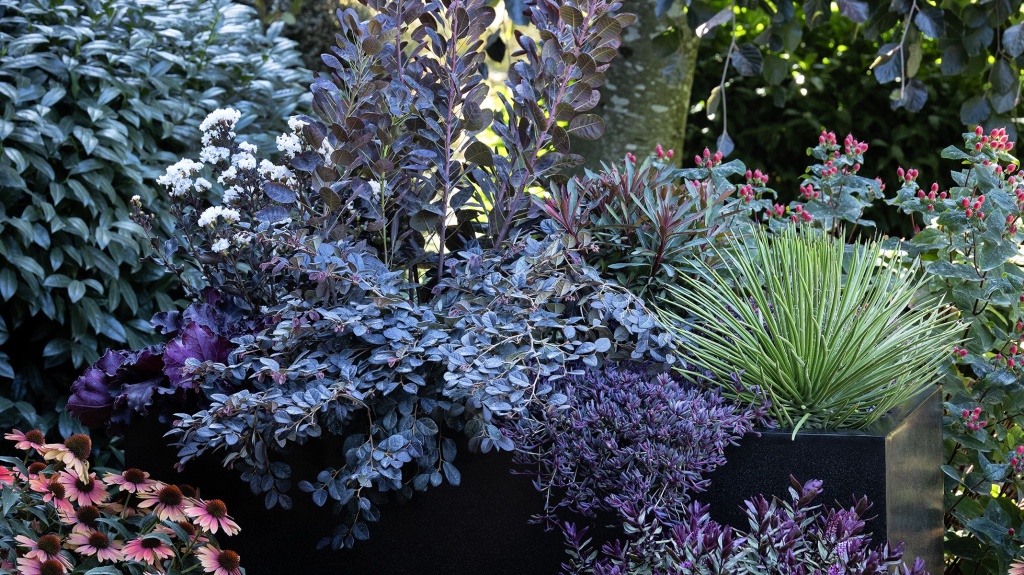
| Companion Plants | Bird of Paradise (Strelitzia); Loropetalum (Loropetalum); Dietes (African Iris); Shrub Rose (Rosa); Bottlebrush (Callistemon) |
| Care Instructions | Adaptable to a wide range of soils, given ample drainage. Water deeply, regularly during the first growing season to establish an extensive root system. Once established, reduce frequency; tolerates periodic drought. Apply fertilizer before new growth begins in spring. Prune to shape in spring after initial bloom. |
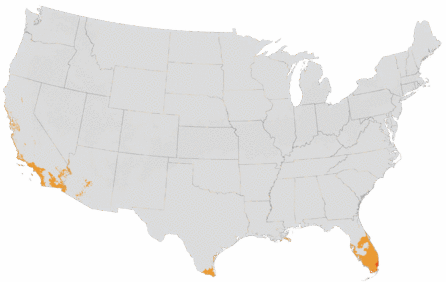
| History | The state of Natal is located along the Indian Ocean coast of South Africa. Unlike stifling inland temperatures, this area is cooled by sea breezes. Natal plum's thick leaves help it resist desiccation from these persistent winds. This and its tolerance of poor soils makes Carissa an important plant for coastal communities from Florida to California. The predecessors of this plant were wickedly thorny to protect from browsing wildlife. ' Tomlinson' is less prickly but still formidable. |
| Lore | This plant originates in Natal, South Africa. There it's edible fruit was valued by the Zulu who named it amatungula. Colonials harvested the fruit as well making it a popular source of jam and jelly enjoyed during afternoon tea. Enjoy fresh, in preserves, or baked in pies. |
Details
| Description | An attractive dwarf evergreen shrub with lustrous, leathery leaves and a compact habit. Small thorns are tucked within the dense foliage - an improvement over thornier varieties. Fragrant white flowers produce edible, wine-red fruit. Excellent for foundation or hedge plantings, or for use as a container specimen. |
|---|---|
| Bloom Time | Intermittently spring to fall. |
| Deciduous/Evergreen | Evergreen |
| Special Features | Easy Care, Showy Fruit, Waterwise, Edible, Compact Form |
| Problems/Solutions | Coastal Exposure |
| Growth Rate | Slow |
| Growth Habit | Rounded |
| Flower Attributes | Fragrant, Long Bloom Season |
Style
| Landscape Use | Barrier, Border, Hedge |
|---|---|
| Design Ideas | This Natal Plum is perfect for smaller bungalow gardens and anywhere space is limited. Provides low-maintenance, forest-green foliage with highly fragrant flowers and big fruit. A structural component of many landscapes in warm-winter regions. Valuable for the sandy soils along the coast. Usually planted as an informal hedge in narrow or raised planting areas. May be sheared or left in a natural linear mass. Use in irregularly shaped clusters to fill wider planting areas. Drought resistant and takes reflected heat from patios, walks or driveway. Also does equally well in pots on rooftop gardens, balconies and decks. |
| Flower Color | White |
| Foliage Color | Green |
| Companion Plants | Bird of Paradise (Strelitzia); Loropetalum (Loropetalum); Dietes (African Iris); Shrub Rose (Rosa); Bottlebrush (Callistemon) |
Care
| Care Instructions | Adaptable to a wide range of soils, given ample drainage. Water deeply, regularly during the first growing season to establish an extensive root system. Once established, reduce frequency; tolerates periodic drought. Apply fertilizer before new growth begins in spring. Prune to shape in spring after initial bloom. |
|---|
History
| History | The state of Natal is located along the Indian Ocean coast of South Africa. Unlike stifling inland temperatures, this area is cooled by sea breezes. Natal plum's thick leaves help it resist desiccation from these persistent winds. This and its tolerance of poor soils makes Carissa an important plant for coastal communities from Florida to California. The predecessors of this plant were wickedly thorny to protect from browsing wildlife. ' Tomlinson' is less prickly but still formidable. |
|---|---|
| Lore | This plant originates in Natal, South Africa. There it's edible fruit was valued by the Zulu who named it amatungula. Colonials harvested the fruit as well making it a popular source of jam and jelly enjoyed during afternoon tea. Enjoy fresh, in preserves, or baked in pies. |
Retailers Near You
About Us
We have been pioneers and craftsmen in the art of growing plants for 100 years. Since our founding in Southern California by Harry E. Rosedale, Sr. in 1926, we have been absolutely dedicated and obsessed with quality.
We have been pioneers and craftsmen in the art of growing plants for nearly 100 years. Since our founding in Southern California by Harry E. Rosedale, Sr. in 1926, we have been absolutely dedicated and obsessed with quality.