
You're growing in this Zip Code:
Change LocationDiscover Plants for Your Area
Tonto Crape Myrtle
Lagerstroemia indica x fauriei 'Tonto'
Pronunciation: la-ger-STRE-mee-a IN-dih-kuh fa-ru-EE-i
SKU #05635
LIGHT:
Full sun
WATER:
Water deeply when soil is dry.
SIZE:
Quickly reaches 8 ft. tall and wide.

Retailers Near You
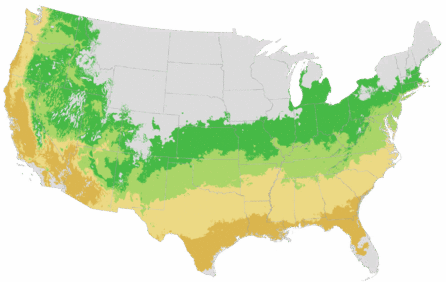

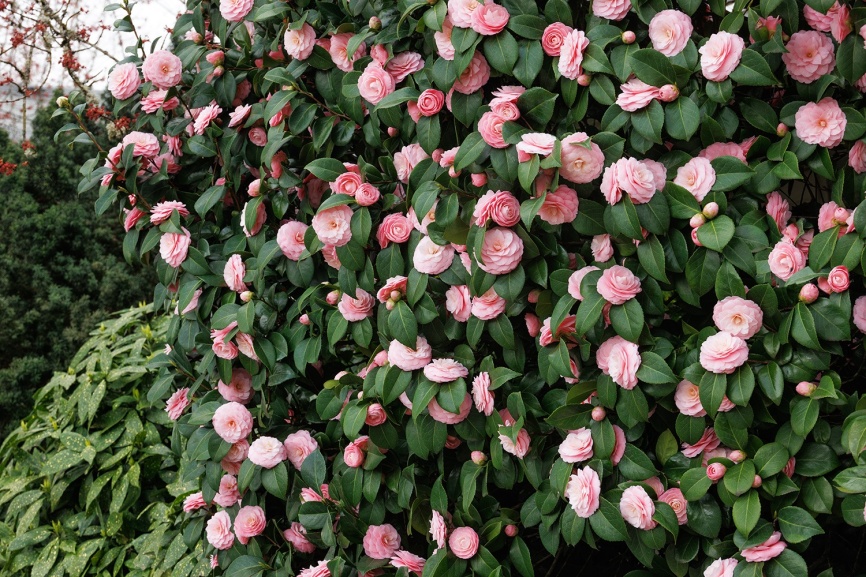
| Description | Large clusters of soft-textured fuchsia-red blooms on a semi-dwarf, multi-stemmed shrub. Foliage turns a luscious orange-red in fall for exquisite cool season color. Smooth, colorful peeling bark adds year-round interest. Resists mildew, and is heat and drought tolerant. Ideal as a landscape accent or container specimen. Deciduous. |
|---|---|
| Bloom Time | Summer |
| Deciduous/Evergreen | Deciduous |
| Special Features | Attractive Bark, Easy Care, Fall Color, Improved Pest and Disease Resistance, Waterwise, Non-toxic to Cats and Dogs, Attracts Pollinators, Fast Growing |
| Problems/Solutions | Tolerates Urban Pollution |
| Growth Rate | Fast |
| Growth Habit | Upright |
| Flower Attributes | Showy Flowers |
| Landscape Use | Container, Privacy Screen |
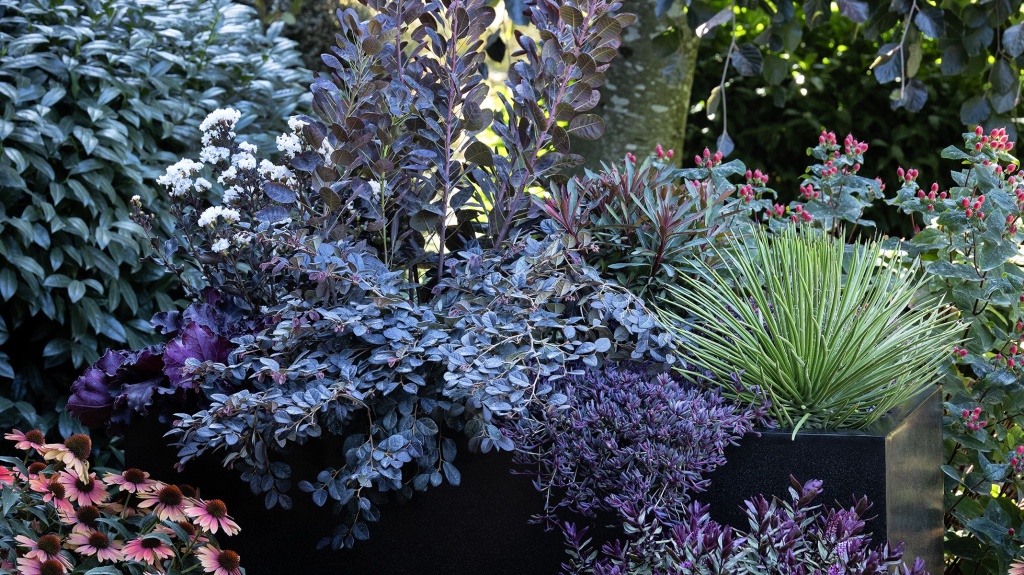
| Design Ideas | The reduced stature of this multi-branched shrub or small tree is perfectly scaled for smaller residential gardens. Feature in large containers as a patio or entry focal point. Good disease resistance ensures attractive foliage and abundant flowering with little care, making it well suited for mass planting in large-scale beds or as an informal hedge. Plant near pathways where the handsome, exfoliating trunk can lend interesting texture and appeal, especially during the dormant winter months. |
| Flower Color | Purplish-pink |
| Foliage Color | Green |
| Foliage Fall Color | Red |
| Companion Plants | California Lilac (Ceanothus); Lilyturf (Liriope); False Heather (Cuphea); Agapanthus (Agapanthus); Indian Hawthorn (Rhaphiolepis) |
| Care Instructions | Thrives in average, well-drained soil. Water deeply, regularly during first growing season to establish an extensive root system; reduce frequency, once established. Feed in early spring. Thin young trees late winter to early spring; leave 3 to 7 main trunks or canopy branches. Remove suckers from the base of older trees. |
| History | In 1959, Dr. Donald Egolf began a program at the U.S. National Arboretum to develop disease resistance, hardiness, true flower color, recurrent flowering, and both shrub and tree type growth habits in Crape Myrtles. Germplasm of Lagerstroemia fauriei was collected in Japan by Dr. John Creech and distributed to the arboretum. This was discovered to be resistant to powdery mildew and to possess a unique, heritable, dark brown trunk color. L. fauriei was incorporated into the research program with great success. Twenty-seven cultivars have been released, 20 of which are L. indica x L. fauriei hybrids. The successful hybridization of Lagerstroemia indica with Lagerstroemia fauriei revolutionized the development of Crape Myrtle. In addition to field resistance to powdery mildew, the hybrids provide new trunk colors that in the future may be sought as much as the brilliant flowers. 'Tonto' was introduced in 1990 and is noted for its resistance to leaf spot and powdery mildew. |
Details
| Description | Large clusters of soft-textured fuchsia-red blooms on a semi-dwarf, multi-stemmed shrub. Foliage turns a luscious orange-red in fall for exquisite cool season color. Smooth, colorful peeling bark adds year-round interest. Resists mildew, and is heat and drought tolerant. Ideal as a landscape accent or container specimen. Deciduous. |
|---|---|
| Bloom Time | Summer |
| Deciduous/Evergreen | Deciduous |
| Special Features | Attractive Bark, Easy Care, Fall Color, Improved Pest and Disease Resistance, Waterwise, Non-toxic to Cats and Dogs, Attracts Pollinators, Fast Growing |
| Problems/Solutions | Tolerates Urban Pollution |
| Growth Rate | Fast |
| Growth Habit | Upright |
| Flower Attributes | Showy Flowers |
Style
| Landscape Use | Container, Privacy Screen |
|---|---|
| Design Ideas | The reduced stature of this multi-branched shrub or small tree is perfectly scaled for smaller residential gardens. Feature in large containers as a patio or entry focal point. Good disease resistance ensures attractive foliage and abundant flowering with little care, making it well suited for mass planting in large-scale beds or as an informal hedge. Plant near pathways where the handsome, exfoliating trunk can lend interesting texture and appeal, especially during the dormant winter months. |
| Flower Color | Purplish-pink |
| Foliage Color | Green |
| Foliage Fall Color | Red |
| Companion Plants | California Lilac (Ceanothus); Lilyturf (Liriope); False Heather (Cuphea); Agapanthus (Agapanthus); Indian Hawthorn (Rhaphiolepis) |
Care
| Care Instructions | Thrives in average, well-drained soil. Water deeply, regularly during first growing season to establish an extensive root system; reduce frequency, once established. Feed in early spring. Thin young trees late winter to early spring; leave 3 to 7 main trunks or canopy branches. Remove suckers from the base of older trees. |
|---|
History
| History | In 1959, Dr. Donald Egolf began a program at the U.S. National Arboretum to develop disease resistance, hardiness, true flower color, recurrent flowering, and both shrub and tree type growth habits in Crape Myrtles. Germplasm of Lagerstroemia fauriei was collected in Japan by Dr. John Creech and distributed to the arboretum. This was discovered to be resistant to powdery mildew and to possess a unique, heritable, dark brown trunk color. L. fauriei was incorporated into the research program with great success. Twenty-seven cultivars have been released, 20 of which are L. indica x L. fauriei hybrids. The successful hybridization of Lagerstroemia indica with Lagerstroemia fauriei revolutionized the development of Crape Myrtle. In addition to field resistance to powdery mildew, the hybrids provide new trunk colors that in the future may be sought as much as the brilliant flowers. 'Tonto' was introduced in 1990 and is noted for its resistance to leaf spot and powdery mildew. |
|---|
Retailers Near You
About Us
We have been pioneers and craftsmen in the art of growing plants for 100 years. Since our founding in Southern California by Harry E. Rosedale, Sr. in 1926, we have been absolutely dedicated and obsessed with quality.
We have been pioneers and craftsmen in the art of growing plants for nearly 100 years. Since our founding in Southern California by Harry E. Rosedale, Sr. in 1926, we have been absolutely dedicated and obsessed with quality.