
You're growing in this Zip Code:
Discover Plants for Your Area


Triumph Aster
Aster x alpellus 'Triumph'
Pronunciation: ASS-ter al-PELL-us
SKU #00361
LIGHT:
Full sun, Partial sun
WATER:
Keep soil moist, but not soggy.
SIZE:
Quickly reaches 8 to 12 in. tall, 12 to 15 in. wide.

Retailers Near You
Ready to Grow?
Ship Monrovia plants directly to your door. Browse a curated selection available online.
Shop Now >This Plant's Growing Zones: 3-9
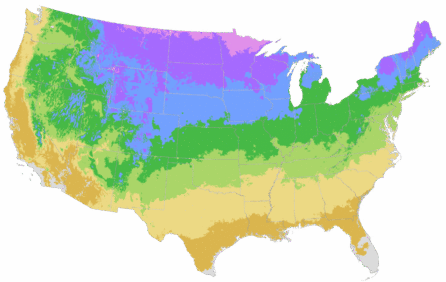
Your USDA Cold Hardiness Zone:

| Description | Loads of large, purple, daisy-like flowers with cheerful yellow centers cover the dense mound of green foliage. This petite, summer-blooming aster is at home with natives in short grass meadows and wildflower gardens, and the compact form makes it equally ideal for pots and at the front of borders. An herbaceous perennial. |
|---|---|
| Bloom Time | Late spring into summer |
| Deciduous/Evergreen | Herbaceous |
| Special Features | Attracts Butterflies, Easy Care, Waterwise, Attracts Pollinators, Fast Growing, Compact Form |
| Problems/Solutions | Deer Resistant |
| Growth Rate | Fast |
| Growth Habit | Mounding |
| Flower Attributes | Flowers for Cutting, Showy Flowers |
| Landscape Use | Border, Container, Accent, Edging, Small Spaces |
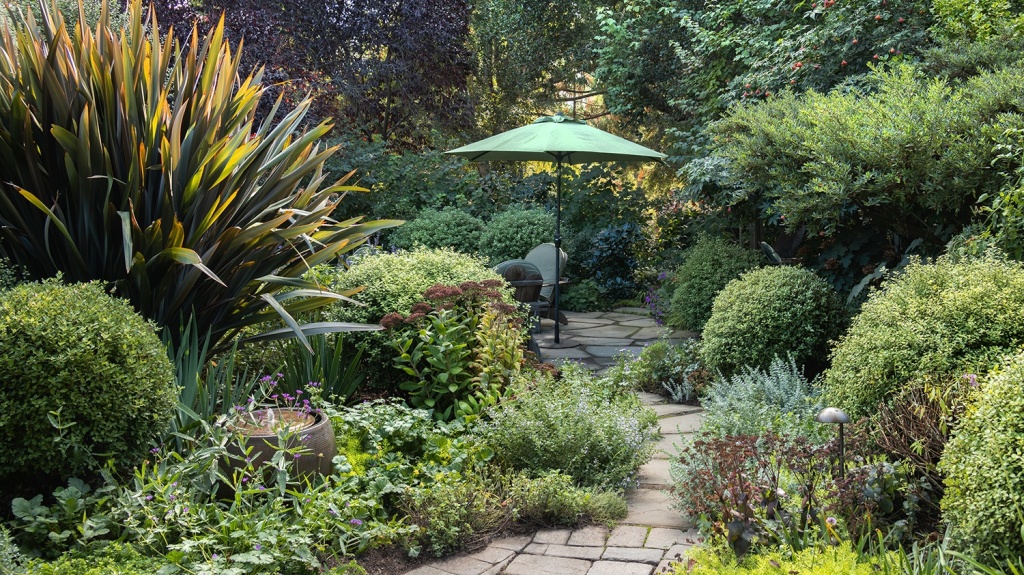
| Design Ideas | This summer blooming Aster adds color and texture to sun drenched beds and mixed perennial borders. Edge a walkway or patio with the contrasting blooms or create a container garden with other bright orange bloomers that highlight the striking orange centers on Triumph. Add this little beauty to a rock, butterfly or cottage garden and enjoy the calming violet and energizing orange colors all summer long. |
| Flower Color | Purple |
| Foliage Color | Green |
| Companion Plants | Bee Balm (Monarda); Coneflower (Echinacea); Butterfly Weed (Asclepias); Black-Eyed Susan (Rudbeckia); Butterfly Bush (Buddleja) |
| Care Instructions | Thrives in moist, fertile, slightly acidic, well-drained soils, but highly adaptable. Prefers cool summer climates. Water deeply, regularly in first growing season to establish an extensive root system; once established, prefers regular moisture. For a tidy appearance, remove old foliage before new leaves emerge. |
| History | A hybrid between Aster amellus and A. alpinus. 'Triumph' is reportedly a sterile variety; while it may not be entirely sterile, it generally does not reproduce prolifically, as do some of the older Aster novi-belgii varieties. |
Details
| Description | Loads of large, purple, daisy-like flowers with cheerful yellow centers cover the dense mound of green foliage. This petite, summer-blooming aster is at home with natives in short grass meadows and wildflower gardens, and the compact form makes it equally ideal for pots and at the front of borders. An herbaceous perennial. |
|---|---|
| Bloom Time | Late spring into summer |
| Deciduous/Evergreen | Herbaceous |
| Special Features | Attracts Butterflies, Easy Care, Waterwise, Attracts Pollinators, Fast Growing, Compact Form |
| Problems/Solutions | Deer Resistant |
| Growth Rate | Fast |
| Growth Habit | Mounding |
| Flower Attributes | Flowers for Cutting, Showy Flowers |
Style
| Landscape Use | Border, Container, Accent, Edging, Small Spaces |
|---|---|
| Design Ideas | This summer blooming Aster adds color and texture to sun drenched beds and mixed perennial borders. Edge a walkway or patio with the contrasting blooms or create a container garden with other bright orange bloomers that highlight the striking orange centers on Triumph. Add this little beauty to a rock, butterfly or cottage garden and enjoy the calming violet and energizing orange colors all summer long. |
| Flower Color | Purple |
| Foliage Color | Green |
| Companion Plants | Bee Balm (Monarda); Coneflower (Echinacea); Butterfly Weed (Asclepias); Black-Eyed Susan (Rudbeckia); Butterfly Bush (Buddleja) |
Care
| Care Instructions | Thrives in moist, fertile, slightly acidic, well-drained soils, but highly adaptable. Prefers cool summer climates. Water deeply, regularly in first growing season to establish an extensive root system; once established, prefers regular moisture. For a tidy appearance, remove old foliage before new leaves emerge. |
|---|
History
| History | A hybrid between Aster amellus and A. alpinus. 'Triumph' is reportedly a sterile variety; while it may not be entirely sterile, it generally does not reproduce prolifically, as do some of the older Aster novi-belgii varieties. |
|---|
Retailers Near You
About Us
We have been pioneers and craftsmen in the art of growing plants for 100 years. Since our founding in Southern California by Harry E. Rosedale, Sr. in 1926, we have been absolutely dedicated and obsessed with quality.
We have been pioneers and craftsmen in the art of growing plants for nearly 100 years. Since our founding in Southern California by Harry E. Rosedale, Sr. in 1926, we have been absolutely dedicated and obsessed with quality.