
You're growing in this Zip Code:
Change LocationDiscover Plants for Your Area
Two-Needle Pinyon Pine
Pinus edulis
Pronunciation: PY-nus ED-yew-liss
SKU #02771
LIGHT:
Full sun
WATER:
Water when top 2 inches of soil is dry.
SIZE:
Slow growing; reaches 10 to 20 ft. tall and wide in 10 years.

Retailers Near You
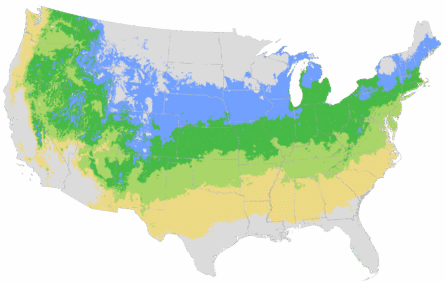

| Description | Drought tolerant and exceptionally hardy, this adaptable North American native is slow growing with a broad, rounded crown. New growth emerges blue-green, then turns a yellowish green. Cones are produced in clusters on very mature trees. Female cones produce edible pine nuts. A picturesque specimen for the rock garden, hillsides, or berms. Evergreen. |
|---|---|
| Bloom Time | Conifer; prized for foliage. |
| Deciduous/Evergreen | Evergreen |
| Special Features | Easy Care, Waterwise, Edible, North American Native, Benefits Birds |
| Problems/Solutions | Deer Resistant, Erosion Control, Rabbit Resistant, Drought Tolerant |
| Growth Rate | Slow |
| Landscape Use | Hillside |
| Flower Color | Red & Yellow |
| Foliage Color | Green |
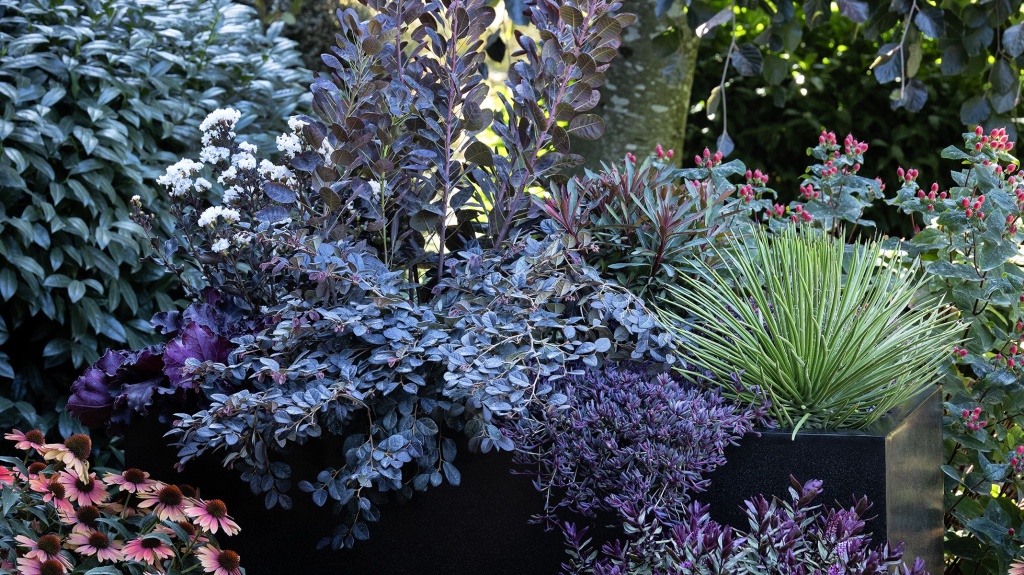
| Companion Plants | Maiden Grass (Miscanthus); Beardtongue (Penstemon); Bluebeard (Caryopteris); Russian Sage (Perovskia); Tickseed (Coreopsis) |
| Care Instructions | Prefers well-drained, sandy to loamy, neutral to lightly acidic soils but adaptable to nutritionally poor, rocky soils and varied moisture and temperature conditions; avoid heavy irrigation and soggy soils or prolonged drought. Water deeply, regularly in first few growing seasons to establish root system. Seldom requires pruning or fertilization. |
| History | Slow growing and long-lived species, Pinus edulis is native to North America, primarily on the high plains, plateaus, canyons, foothills and lower mountain slopes of the Colorado Plateau. It is typically found at elevations between 4,000 to 8,000 ft. where annual rainfall ranges from 12 to 18 inches. Relatively small growing to 20 ft. or less, some specimens have been known to reach 35 ft or taller at an advanced age. |
| Lore | Pinon seeds are an important wildlife food for several songbirds, quails, squirrels, chipmunks, black bears, and mule deer. Pinus edulis had several uses in American Indian life. Needles were steeped for tea. The inner bark was used to stave off starvation. Seed cones are produced on older trees and take 2 years to mature. The seeds were a staple in American Indian diets and were eaten raw, roasted, or ground into flour. Seed production is erratic, dependent on weather and rainfall; Indian migrations were influenced by location of various seed crops. Pinon pine seeds are useful in making candies, cakes, and cookies. |
Details
| Description | Drought tolerant and exceptionally hardy, this adaptable North American native is slow growing with a broad, rounded crown. New growth emerges blue-green, then turns a yellowish green. Cones are produced in clusters on very mature trees. Female cones produce edible pine nuts. A picturesque specimen for the rock garden, hillsides, or berms. Evergreen. |
|---|---|
| Bloom Time | Conifer; prized for foliage. |
| Deciduous/Evergreen | Evergreen |
| Special Features | Easy Care, Waterwise, Edible, North American Native, Benefits Birds |
| Problems/Solutions | Deer Resistant, Erosion Control, Rabbit Resistant, Drought Tolerant |
| Growth Rate | Slow |
Style
| Landscape Use | Hillside |
|---|---|
| Flower Color | Red & Yellow |
| Foliage Color | Green |
| Companion Plants | Maiden Grass (Miscanthus); Beardtongue (Penstemon); Bluebeard (Caryopteris); Russian Sage (Perovskia); Tickseed (Coreopsis) |
Care
| Care Instructions | Prefers well-drained, sandy to loamy, neutral to lightly acidic soils but adaptable to nutritionally poor, rocky soils and varied moisture and temperature conditions; avoid heavy irrigation and soggy soils or prolonged drought. Water deeply, regularly in first few growing seasons to establish root system. Seldom requires pruning or fertilization. |
|---|
History
| History | Slow growing and long-lived species, Pinus edulis is native to North America, primarily on the high plains, plateaus, canyons, foothills and lower mountain slopes of the Colorado Plateau. It is typically found at elevations between 4,000 to 8,000 ft. where annual rainfall ranges from 12 to 18 inches. Relatively small growing to 20 ft. or less, some specimens have been known to reach 35 ft or taller at an advanced age. |
|---|---|
| Lore | Pinon seeds are an important wildlife food for several songbirds, quails, squirrels, chipmunks, black bears, and mule deer. Pinus edulis had several uses in American Indian life. Needles were steeped for tea. The inner bark was used to stave off starvation. Seed cones are produced on older trees and take 2 years to mature. The seeds were a staple in American Indian diets and were eaten raw, roasted, or ground into flour. Seed production is erratic, dependent on weather and rainfall; Indian migrations were influenced by location of various seed crops. Pinon pine seeds are useful in making candies, cakes, and cookies. |
Retailers Near You
About Us
We have been pioneers and craftsmen in the art of growing plants for 100 years. Since our founding in Southern California by Harry E. Rosedale, Sr. in 1926, we have been absolutely dedicated and obsessed with quality.
We have been pioneers and craftsmen in the art of growing plants for nearly 100 years. Since our founding in Southern California by Harry E. Rosedale, Sr. in 1926, we have been absolutely dedicated and obsessed with quality.