
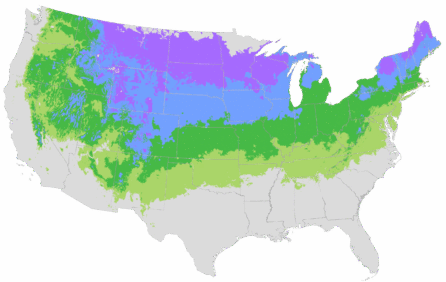
You're growing in this Zip Code:
Change LocationDiscover Plants for Your Area
Vanderwolf's Pyramid Limber Pine
Pinus flexilis 'Vanderwolf's Pyramid'
Pronunciation: PY-nus FLEK-sil-is
SKU #06539
LIGHT:
Full sun
WATER:
Once established water deeply occasionally.
SIZE:
Slow growing; reaches 20 to 25 ft. tall, 10 to 15 ft. wide.

Retailers Near You
| Description | Distinctive, pyramid-shaped pine with long, twisted, silvery blue-green needles covering the dense branches. A superior selection for use as a majestic lawn specimen or landscape accent. Excellent pest and disease resistance. Evergreen. |
|---|---|
| Bloom Time | Conifer; prized for foliage. |
| Deciduous/Evergreen | Evergreen |
| Special Features | Easy Care, Improved Pest and Disease Resistance, Showy Fruit, Waterwise, Benefits Birds |
| Problems/Solutions | Deer Resistant, Rabbit Resistant |
| Growth Rate | Slow |
| Growth Habit | Pyramidal |
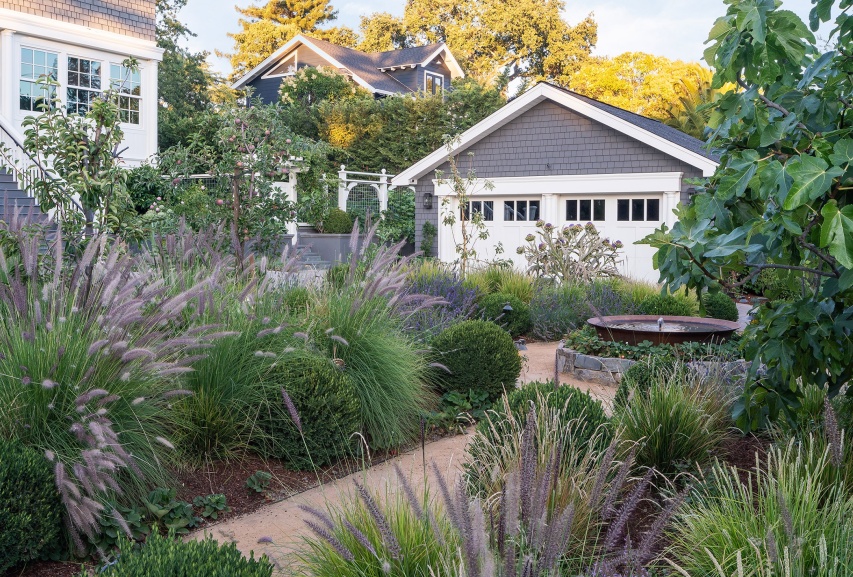
| Design Ideas | This Pine produces fluffy foliage that resembles a Cedar from a distance. It is remarkably resilient and an important component in Midwestern shelterbelts and windbreaks. Adapts well to dry conditions in the West, both in semidesert and mountain foothill regions where soils are thin and poor. Makes a very graceful single specimen for front yards, parks or expansive estate-sized landscapes. |
| Foliage Color | Blue-green |
| Companion Plants | Maple (Acer); Winterberry (Ilex); Switch Grass (Panicum); Weigela (Weigela); Spruce (Picea) |
| Care Instructions | Provide enriched, loamy, well-drained soil. Water deeply and regularly during the first growing season to establish an extensive root system; once established, reduce frequency. Feed with a general purpose fertilizer before new growth begins in spring. Prune only to remove old, damaged or dead branches. |
| History | This is a moderately sized forest tree that is native to a large range of the Rocky Mountains from Wyoming to New Mexico and into parts of California and the most of the west. It was first identified and classified by Rocky Mountain plant collector and botanist, Edwin James, 1797-1861. It was strangely misclassified later into its own genus as Apinus flexilis by Per Axel Rydberg, 1860-1931, while he was with the New York Botanical Garden. This patented variety is not doubt an offspring or sport of P. f. glauca due to the blue-green foliage, and may be the only widely grown form of this species in cultivation today. |
Details
| Description | Distinctive, pyramid-shaped pine with long, twisted, silvery blue-green needles covering the dense branches. A superior selection for use as a majestic lawn specimen or landscape accent. Excellent pest and disease resistance. Evergreen. |
|---|---|
| Bloom Time | Conifer; prized for foliage. |
| Deciduous/Evergreen | Evergreen |
| Special Features | Easy Care, Improved Pest and Disease Resistance, Showy Fruit, Waterwise, Benefits Birds |
| Problems/Solutions | Deer Resistant, Rabbit Resistant |
| Growth Rate | Slow |
| Growth Habit | Pyramidal |
Style
| Design Ideas | This Pine produces fluffy foliage that resembles a Cedar from a distance. It is remarkably resilient and an important component in Midwestern shelterbelts and windbreaks. Adapts well to dry conditions in the West, both in semidesert and mountain foothill regions where soils are thin and poor. Makes a very graceful single specimen for front yards, parks or expansive estate-sized landscapes. |
|---|---|
| Foliage Color | Blue-green |
| Companion Plants | Maple (Acer); Winterberry (Ilex); Switch Grass (Panicum); Weigela (Weigela); Spruce (Picea) |
Care
| Care Instructions | Provide enriched, loamy, well-drained soil. Water deeply and regularly during the first growing season to establish an extensive root system; once established, reduce frequency. Feed with a general purpose fertilizer before new growth begins in spring. Prune only to remove old, damaged or dead branches. |
|---|
History
| History | This is a moderately sized forest tree that is native to a large range of the Rocky Mountains from Wyoming to New Mexico and into parts of California and the most of the west. It was first identified and classified by Rocky Mountain plant collector and botanist, Edwin James, 1797-1861. It was strangely misclassified later into its own genus as Apinus flexilis by Per Axel Rydberg, 1860-1931, while he was with the New York Botanical Garden. This patented variety is not doubt an offspring or sport of P. f. glauca due to the blue-green foliage, and may be the only widely grown form of this species in cultivation today. |
|---|
Retailers Near You
About Us
We have been pioneers and craftsmen in the art of growing plants for 100 years. Since our founding in Southern California by Harry E. Rosedale, Sr. in 1926, we have been absolutely dedicated and obsessed with quality.
We have been pioneers and craftsmen in the art of growing plants for nearly 100 years. Since our founding in Southern California by Harry E. Rosedale, Sr. in 1926, we have been absolutely dedicated and obsessed with quality.