
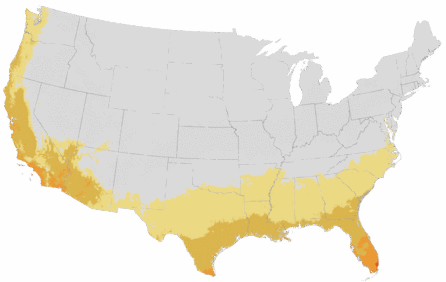
You're growing in this Zip Code:
Change LocationDiscover Plants for Your Area
Variegated Japanese Pittosporum
Pittosporum tobira 'Variegatum'
Pronunciation: pit-o-SPOH-rum to-BY-ra
SKU #06595
LIGHT:
Full sun, Partial sun
WATER:
Allow soil to dry slightly before watering.
SIZE:
Moderate growing; reaches 6 to 8 ft. tall and wide.

Retailers Near You
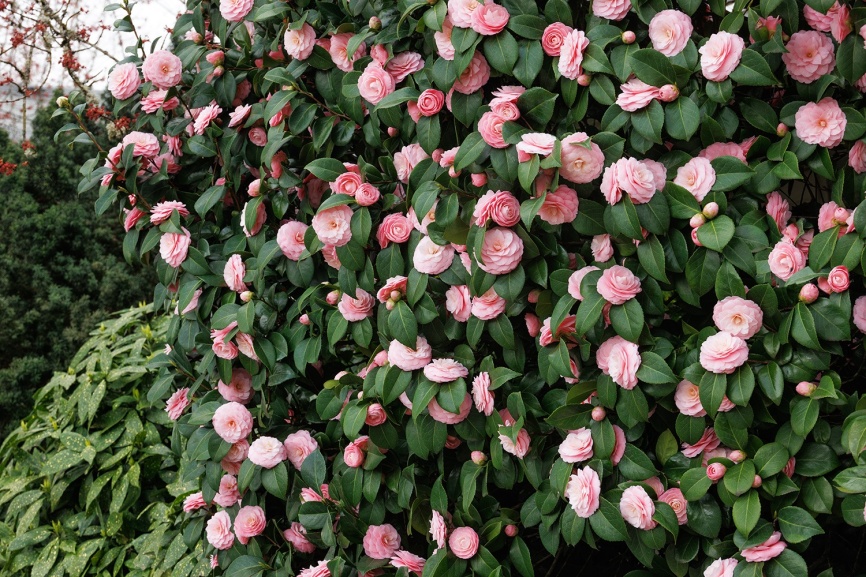
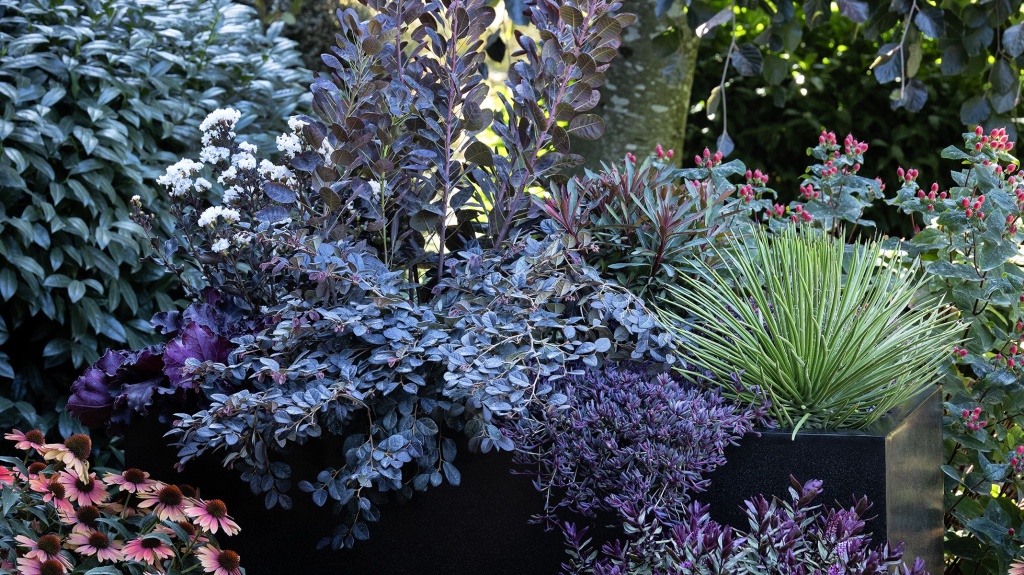

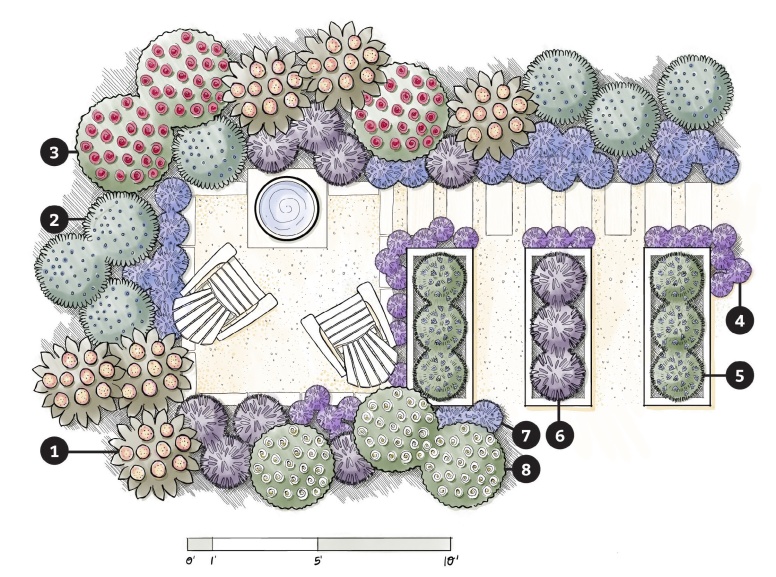
| Description | Attractive mounding evergreen shrub with white, gray and light green foliage. Creamy white flowers are small but have a terrific orange-blossom fragrance. Good border, hedge or landscape accent. |
|---|---|
| Bloom Time | Spring |
| Deciduous/Evergreen | Evergreen |
| Special Features | Dramatic Foliage Color, Easy Care, Waterwise, Non-toxic to Cats and Dogs, Compact Form |
| Problems/Solutions | Coastal Exposure, Tolerates Urban Pollution |
| Growth Rate | Moderate |
| Flower Attributes | Fragrant |
| Landscape Use | Border, Hedge, Privacy Screen |
| Design Ideas | Lovely light variegated foliage gives this evergreen shrub a special ability to inject interest into dull landscapes. It is highly versatile and ruggedly drought resistant. Most often applied as a foundation plant along walls, houses and fence lines. Coloring makes a perfect background for deep-green or emerald plants and is neutral enough to accentuate cool-colored perennials. Though it will take shearing as a hedge, it is more attractive if kept to its natural size with selective pruning. Blends exceptionally well into formal, Asian, or contemporary gardens. |
| Flower Color | White |
| Foliage Color | Gray-green |
| Companion Plants | Heavenly Bamboo (Nandina); Agapanthus (Agapanthus); Blue Oat Grass (Heliotrichon); Loropetalum (Loropetalum); Bottlebrush (Callistemon) |
| Care Instructions | Easy to grow in average, well-drained soils. Water deeply, regularly during first growing season to establish an extensive root system. Once established, reduce frequency; tolerates mild drought. Apply fertilizer before new growth begins in spring. For a tidy appearance, prune annually to shape. May grow larger in optimal growing conditions. |
| History | This genus, Pittosporum, contains over 200 species of trees and shrubs native to the tropical regions of the world and most in the southern hemisphere. It was classified by Sir Joseph Banks, 1743-1820, who was perhaps the most famous of all the early plant explorers and among the founders of the Horticultural Society of London. He named it from the Greek for pitch and seed referring to the sticky seed coat. Carl Thunberg of the Dutch East India Company identified but incorrectly classified this species of Japan as Euonymus tobira, his species designation from the native Japanese name. It was accurately classified by William Aiton, 1731-1793 and since then about a dozen cultivars have been produced. This is the most well known of all the horticultural variations of the original species. |
Details
| Description | Attractive mounding evergreen shrub with white, gray and light green foliage. Creamy white flowers are small but have a terrific orange-blossom fragrance. Good border, hedge or landscape accent. |
|---|---|
| Bloom Time | Spring |
| Deciduous/Evergreen | Evergreen |
| Special Features | Dramatic Foliage Color, Easy Care, Waterwise, Non-toxic to Cats and Dogs, Compact Form |
| Problems/Solutions | Coastal Exposure, Tolerates Urban Pollution |
| Growth Rate | Moderate |
| Flower Attributes | Fragrant |
Style
| Landscape Use | Border, Hedge, Privacy Screen |
|---|---|
| Design Ideas | Lovely light variegated foliage gives this evergreen shrub a special ability to inject interest into dull landscapes. It is highly versatile and ruggedly drought resistant. Most often applied as a foundation plant along walls, houses and fence lines. Coloring makes a perfect background for deep-green or emerald plants and is neutral enough to accentuate cool-colored perennials. Though it will take shearing as a hedge, it is more attractive if kept to its natural size with selective pruning. Blends exceptionally well into formal, Asian, or contemporary gardens. |
| Flower Color | White |
| Foliage Color | Gray-green |
| Companion Plants | Heavenly Bamboo (Nandina); Agapanthus (Agapanthus); Blue Oat Grass (Heliotrichon); Loropetalum (Loropetalum); Bottlebrush (Callistemon) |
Care
| Care Instructions | Easy to grow in average, well-drained soils. Water deeply, regularly during first growing season to establish an extensive root system. Once established, reduce frequency; tolerates mild drought. Apply fertilizer before new growth begins in spring. For a tidy appearance, prune annually to shape. May grow larger in optimal growing conditions. |
|---|
History
| History | This genus, Pittosporum, contains over 200 species of trees and shrubs native to the tropical regions of the world and most in the southern hemisphere. It was classified by Sir Joseph Banks, 1743-1820, who was perhaps the most famous of all the early plant explorers and among the founders of the Horticultural Society of London. He named it from the Greek for pitch and seed referring to the sticky seed coat. Carl Thunberg of the Dutch East India Company identified but incorrectly classified this species of Japan as Euonymus tobira, his species designation from the native Japanese name. It was accurately classified by William Aiton, 1731-1793 and since then about a dozen cultivars have been produced. This is the most well known of all the horticultural variations of the original species. |
|---|
Retailers Near You
About Us
We have been pioneers and craftsmen in the art of growing plants for 100 years. Since our founding in Southern California by Harry E. Rosedale, Sr. in 1926, we have been absolutely dedicated and obsessed with quality.
We have been pioneers and craftsmen in the art of growing plants for nearly 100 years. Since our founding in Southern California by Harry E. Rosedale, Sr. in 1926, we have been absolutely dedicated and obsessed with quality.