
You're growing in this Zip Code:
Change LocationDiscover Plants for Your Area
Variegated Stonecrop
Sedum spurium 'Tricolor'
Pronunciation: SEE-dum SPEW-ri-um
SKU #07073
LIGHT:
Full sun
WATER:
Allow soil to dry between waterings.
SIZE:
Quickly reaches 4 to 6 in. tall, spreading 12 to 18 in. wide.

Retailers Near You

| Description | Attractive in all seasons, this perennial succulent features fleshy green leaves edged in white, taking on a pink blush in cooler weather. Ground-hugging stems spread to make an easy care groundcover. An excellent choice for rock gardens or containers. Evergreen except in coldest climates. |
|---|---|
| Bloom Time | Summer |
| Deciduous/Evergreen | Herbaceous |
| Special Features | Dramatic Foliage Color, Easy Care, Waterwise, Attracts Pollinators, Fast Growing, Compact Form |
| Problems/Solutions | Deer Resistant, Erosion Control, Rabbit Resistant |
| Growth Rate | Fast |
| Landscape Use | Container, Poolside, Ground Cover |
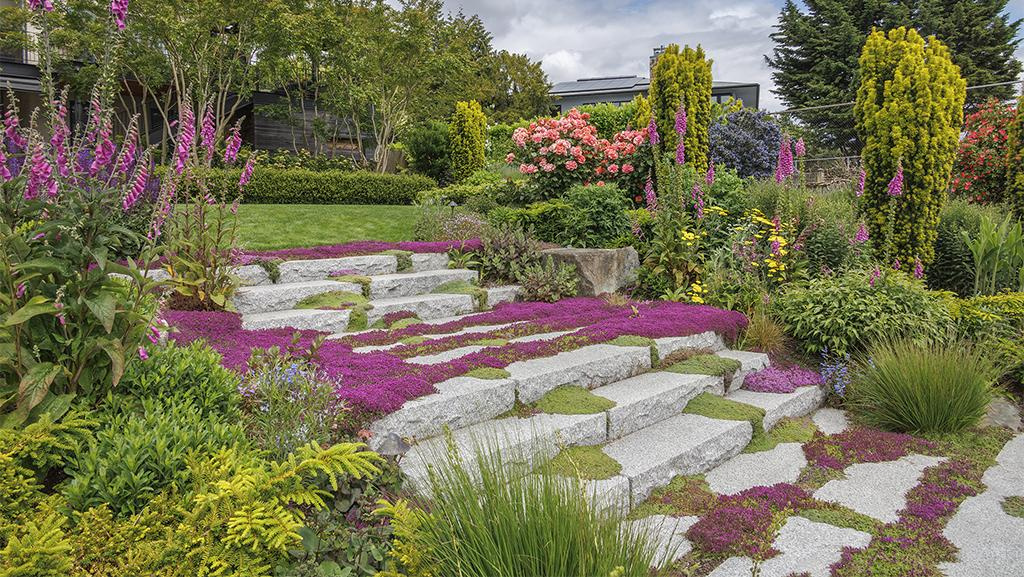
| Design Ideas | Easy succulent for pots and troughs with alpines and other more tropical choices. A superior rock garden plant or use in crumbling stone walls, slopes and banks. Excellent edging along flagstone paths. Belongs in all succulent gardens as light value foliage contrast. |
| Flower Color | Pink |
| Foliage Color | Multicolored |
| Companion Plants | Little Bluestem (Schizachyrium); Hens and Chicks (Echeveria); Yarrow (Achillea); Creeping Phlox (Phlox); Cranesbill (Geranium); Tickseed (Coreopsis) |
| Care Instructions | Thrives in average to very lean, well-drained soil. Takes light shade, particularly in hot southern climates. Water regularly during the first growing season to establish an extensive root system; reduce frequency once established in landscape. Take care not to overwater. As groundcover, space plants 12 to 15 in. apart, closer for faster fill. Fertilize sparingly. |
| History | Sedum is classified into the Crassulaceae, containing about 600 species. This species is native to the Caucasus region of Eastern Europe. |
| Lore | The genus is from the Latin verb sedere, to sit, which describes the procumbent growth habit of many species. |
Details
| Description | Attractive in all seasons, this perennial succulent features fleshy green leaves edged in white, taking on a pink blush in cooler weather. Ground-hugging stems spread to make an easy care groundcover. An excellent choice for rock gardens or containers. Evergreen except in coldest climates. |
|---|---|
| Bloom Time | Summer |
| Deciduous/Evergreen | Herbaceous |
| Special Features | Dramatic Foliage Color, Easy Care, Waterwise, Attracts Pollinators, Fast Growing, Compact Form |
| Problems/Solutions | Deer Resistant, Erosion Control, Rabbit Resistant |
| Growth Rate | Fast |
Style
| Landscape Use | Container, Poolside, Ground Cover |
|---|---|
| Design Ideas | Easy succulent for pots and troughs with alpines and other more tropical choices. A superior rock garden plant or use in crumbling stone walls, slopes and banks. Excellent edging along flagstone paths. Belongs in all succulent gardens as light value foliage contrast. |
| Flower Color | Pink |
| Foliage Color | Multicolored |
| Companion Plants | Little Bluestem (Schizachyrium); Hens and Chicks (Echeveria); Yarrow (Achillea); Creeping Phlox (Phlox); Cranesbill (Geranium); Tickseed (Coreopsis) |
Care
| Care Instructions | Thrives in average to very lean, well-drained soil. Takes light shade, particularly in hot southern climates. Water regularly during the first growing season to establish an extensive root system; reduce frequency once established in landscape. Take care not to overwater. As groundcover, space plants 12 to 15 in. apart, closer for faster fill. Fertilize sparingly. |
|---|
History
| History | Sedum is classified into the Crassulaceae, containing about 600 species. This species is native to the Caucasus region of Eastern Europe. |
|---|---|
| Lore | The genus is from the Latin verb sedere, to sit, which describes the procumbent growth habit of many species. |
Retailers Near You
About Us
We have been pioneers and craftsmen in the art of growing plants for 100 years. Since our founding in Southern California by Harry E. Rosedale, Sr. in 1926, we have been absolutely dedicated and obsessed with quality.
We have been pioneers and craftsmen in the art of growing plants for nearly 100 years. Since our founding in Southern California by Harry E. Rosedale, Sr. in 1926, we have been absolutely dedicated and obsessed with quality.