
You're growing in this Zip Code:
Change LocationDiscover Plants for Your Area
Exclusive
White Symphony™ Snowberry
Symphoricarpos 'Kolmasywhi' PPAF
Pronunciation: sim-for-ee-KAR-poss
SKU #43209
LIGHT:
Full sun, Partial sun
WATER:
Water when top 2 inches of soil is dry.
SIZE:
Moderate grower to 4 ft. tall and wide.

Retailers Near You

| Description | Full, leafy branches are adorned with light pink summer blooms that produce an abundance of white berries, becoming especially showy on the bare stems in winter. The perfect plant in front of evergreen shrubs to spice up northern native plant landscapes and wild garden woodlands. Berry-filled stems are excellent in floral arrangements. Deciduous. |
|---|---|
| Bloom Time | Summer |
| Deciduous/Evergreen | Deciduous |
| Special Features | Ornamental Berries, Multi-Season Interest, Benefits Birds |
| Growth Rate | Moderate |
| Patent Act | Asexual reproduction of plants protected by the Plant Patent Act is prohibited during the life of the patent. |
| Landscape Use | Border, Hillside |
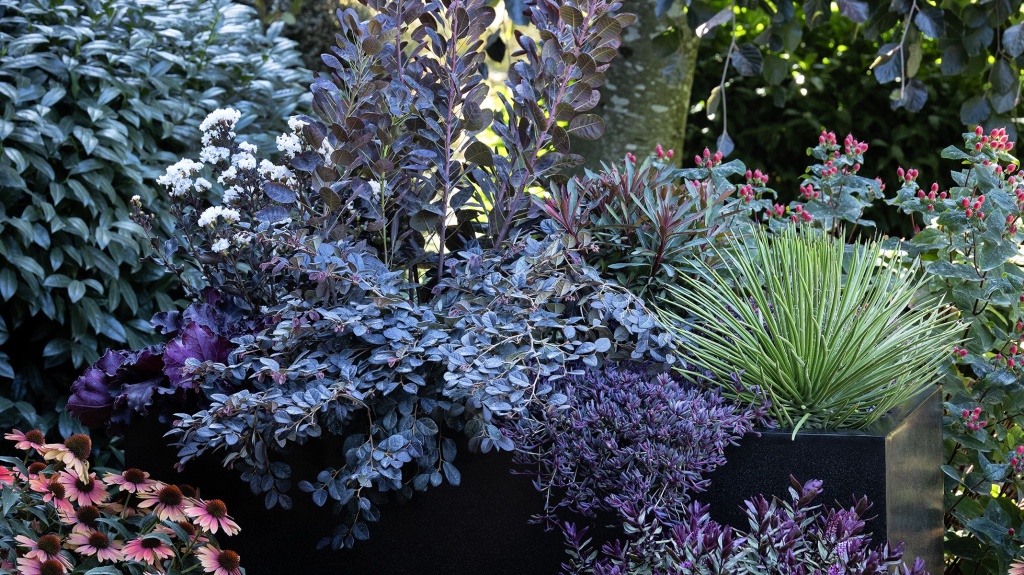
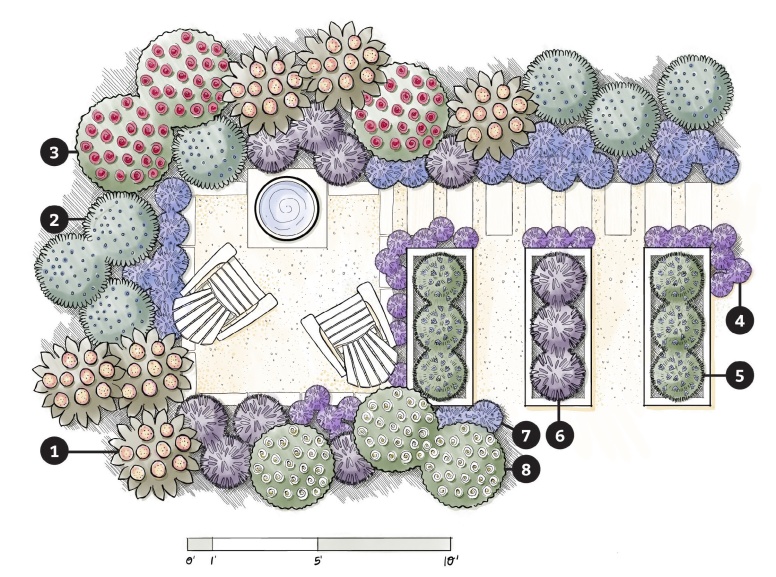
| Design Ideas | Native, snowberries are essential to North American wild landscapes because they naturalize so well. A superbly beautiful addition to wildlife habitat gardens as a late season food source for many species. Improved color and form has boosted them into high status in traditional shrub borders for late season interest. Plant as a low informal hedge or arrange in irregular groupings. A fresh new candidate for foundation planting. Add to any garden for a ready supply of colorful cut berry sprays for autumn decorating. |
| Flower Color | Pink |
| Foliage Color | Green |
| Companion Plants | American Cranberry (Viburnum); Oak Leaf Hydrangea (Hydrangea); Dogwood (Cornus); Beautyberry (Callicarpa); Magnolia (Magnolia) |
| Care Instructions | Grows easily in a wide range of soil types. Water deeply, regularly during the first growing season to establish an extensive root system; once established, reduce frequency. Feed with a general purpose fertilizer before new spring growth. Prune in early spring as desired to control size. |
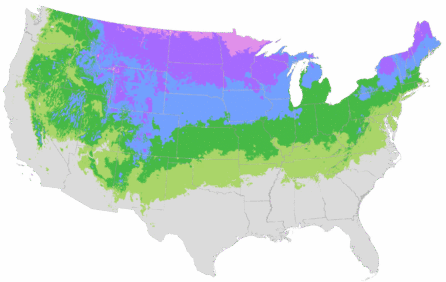
| Lore | Symphoricarpos are native to North America and were first improved by the breeding work of G.A. Doorenbos in the 1940's. The native habitat runs from Nova Scotia to Alberta, south to Minnesota and Virginia and in the western North America from Southwestern Alaska to Southern California. Snowberry is a member of the Honeysuckle family and got its name from the inside of the fruit which looks like snow when broken open. |
Details
| Description | Full, leafy branches are adorned with light pink summer blooms that produce an abundance of white berries, becoming especially showy on the bare stems in winter. The perfect plant in front of evergreen shrubs to spice up northern native plant landscapes and wild garden woodlands. Berry-filled stems are excellent in floral arrangements. Deciduous. |
|---|---|
| Bloom Time | Summer |
| Deciduous/Evergreen | Deciduous |
| Special Features | Ornamental Berries, Multi-Season Interest, Benefits Birds |
| Growth Rate | Moderate |
| Patent Act | Asexual reproduction of plants protected by the Plant Patent Act is prohibited during the life of the patent. |
Style
| Landscape Use | Border, Hillside |
|---|---|
| Design Ideas | Native, snowberries are essential to North American wild landscapes because they naturalize so well. A superbly beautiful addition to wildlife habitat gardens as a late season food source for many species. Improved color and form has boosted them into high status in traditional shrub borders for late season interest. Plant as a low informal hedge or arrange in irregular groupings. A fresh new candidate for foundation planting. Add to any garden for a ready supply of colorful cut berry sprays for autumn decorating. |
| Flower Color | Pink |
| Foliage Color | Green |
| Companion Plants | American Cranberry (Viburnum); Oak Leaf Hydrangea (Hydrangea); Dogwood (Cornus); Beautyberry (Callicarpa); Magnolia (Magnolia) |
Care
| Care Instructions | Grows easily in a wide range of soil types. Water deeply, regularly during the first growing season to establish an extensive root system; once established, reduce frequency. Feed with a general purpose fertilizer before new spring growth. Prune in early spring as desired to control size. |
|---|
History
| Lore | Symphoricarpos are native to North America and were first improved by the breeding work of G.A. Doorenbos in the 1940's. The native habitat runs from Nova Scotia to Alberta, south to Minnesota and Virginia and in the western North America from Southwestern Alaska to Southern California. Snowberry is a member of the Honeysuckle family and got its name from the inside of the fruit which looks like snow when broken open. |
|---|
Retailers Near You
About Us
We have been pioneers and craftsmen in the art of growing plants for 100 years. Since our founding in Southern California by Harry E. Rosedale, Sr. in 1926, we have been absolutely dedicated and obsessed with quality.
We have been pioneers and craftsmen in the art of growing plants for nearly 100 years. Since our founding in Southern California by Harry E. Rosedale, Sr. in 1926, we have been absolutely dedicated and obsessed with quality.