
You're growing in this Zip Code:
Discover Plants for Your Area
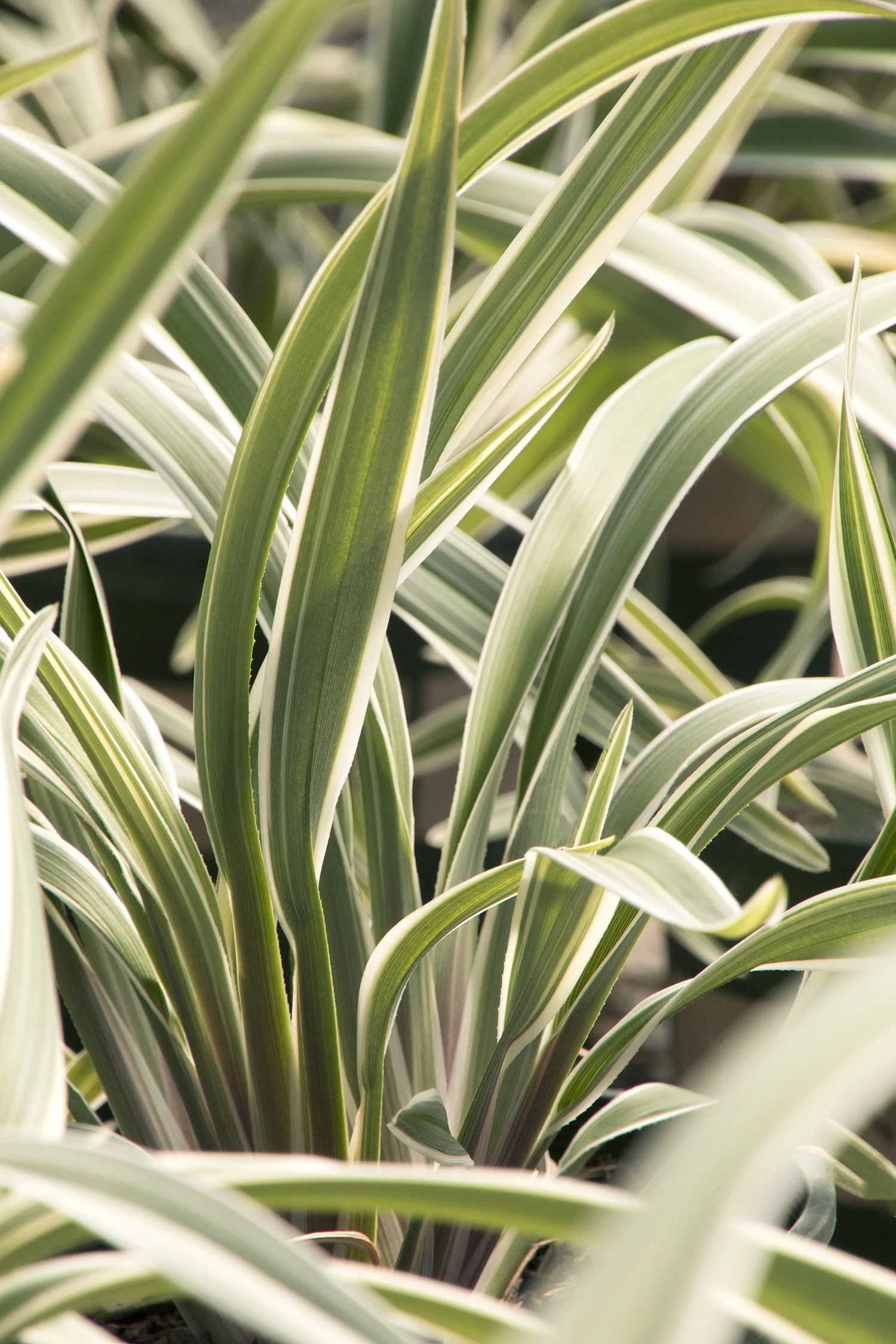
Wyeena™ Flax Lily
Dianella tasmanica 'TAS300'
Pronunciation: dy-an-NEL-uh tas-MAN-ee-kuh
SKU #41208
LIGHT:
Filtered sun, Partial shade, Partial sun
WATER:
Once established water during dry spells.
SIZE:
Slowly spreads by rhizomes, reaching 30 to 36 in. tall and wide.

Retailers Near You
Ready to Grow?
Ship Monrovia plants directly to your door. Browse a curated selection available online.
Shop Now >This Plant's Growing Zones: 7-11
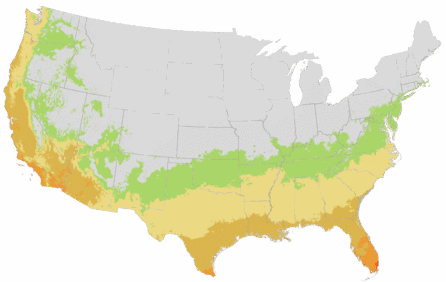
Your USDA Cold Hardiness Zone:
| Description | Beautifully arching and upright evergreen foliage with striking variegation. Sprays of small, star-shaped blue flowers produce stunning blue berries in the summer. Slowly spreads by rhizomes and will out-compete weeds. Tolerates frost better than other species of Dianella. |
|---|---|
| Bloom Time | Spring |
| Deciduous/Evergreen | Evergreen |
| Special Features | Dramatic Foliage Color, Easy Care, Heat Loving |
| Problems/Solutions | Coastal Exposure |
| Growth Rate | Slow |
| Flower Attributes | Showy Flowers |
| Landscape Use | Border, Container |
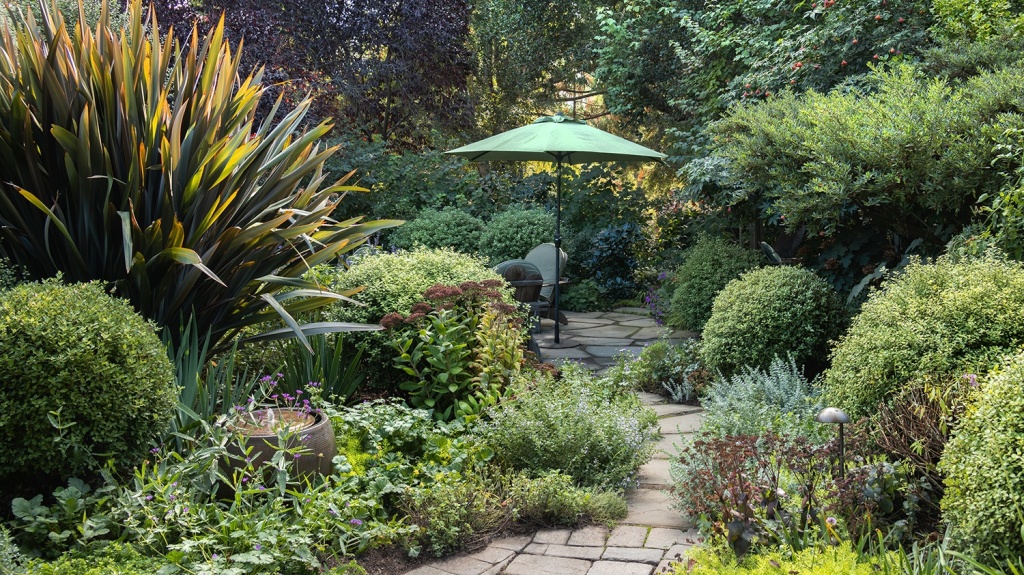
| Design Ideas | Plant this perennial in naturalistic drifts for a unique illusion of dappled sunlight in gardens beneath shade trees where soils are acidic. Ideal in quantities used as edging or plant in masses for a bold, highly visible effect. Perfect for Asian inspired urban gardens where space is limited. Well suited for container compositions that blend foliage color under shade structures, inside walled courtyards, atriums, or sideyards between tall buildings. Great choice for problem northern exposures. |
| Flower Color | Blue |
| Foliage Color | Variegated |
| Companion Plants | Canna (Canna); Lilyturf (Liriope); Bush Daisy (Euryops); Agapanthus (Agapanthus); Rose (Rosa) |
| Care Instructions | Thrives in organically rich, well-drained soils; tolerates clay. Best with some shade in hot summer regions. Water deeply, regularly during first growing season to establish an extensive root system; reduce frequency once established. Remove spent flower stalks and old foliage as new leaves emerge. Divide if needed in early spring. |
| History | This perennial is native to Tasmania and shares the same range as the indigenous Maori people. It's habitat is the shaded floor of tropical forests where decomposing leaves create acidic soil conditions. This species was introduced by the famed plant collector and former Director of the Royal Botanical Gardens at Kew, Sir Joseph Dalton Hooker. |
| Lore | In New Zealand, the berries of Dianella are considered bush food by indigenous cultures. |
Details
| Description | Beautifully arching and upright evergreen foliage with striking variegation. Sprays of small, star-shaped blue flowers produce stunning blue berries in the summer. Slowly spreads by rhizomes and will out-compete weeds. Tolerates frost better than other species of Dianella. |
|---|---|
| Bloom Time | Spring |
| Deciduous/Evergreen | Evergreen |
| Special Features | Dramatic Foliage Color, Easy Care, Heat Loving |
| Problems/Solutions | Coastal Exposure |
| Growth Rate | Slow |
| Flower Attributes | Showy Flowers |
Style
| Landscape Use | Border, Container |
|---|---|
| Design Ideas | Plant this perennial in naturalistic drifts for a unique illusion of dappled sunlight in gardens beneath shade trees where soils are acidic. Ideal in quantities used as edging or plant in masses for a bold, highly visible effect. Perfect for Asian inspired urban gardens where space is limited. Well suited for container compositions that blend foliage color under shade structures, inside walled courtyards, atriums, or sideyards between tall buildings. Great choice for problem northern exposures. |
| Flower Color | Blue |
| Foliage Color | Variegated |
| Companion Plants | Canna (Canna); Lilyturf (Liriope); Bush Daisy (Euryops); Agapanthus (Agapanthus); Rose (Rosa) |
Care
| Care Instructions | Thrives in organically rich, well-drained soils; tolerates clay. Best with some shade in hot summer regions. Water deeply, regularly during first growing season to establish an extensive root system; reduce frequency once established. Remove spent flower stalks and old foliage as new leaves emerge. Divide if needed in early spring. |
|---|
History
| History | This perennial is native to Tasmania and shares the same range as the indigenous Maori people. It's habitat is the shaded floor of tropical forests where decomposing leaves create acidic soil conditions. This species was introduced by the famed plant collector and former Director of the Royal Botanical Gardens at Kew, Sir Joseph Dalton Hooker. |
|---|---|
| Lore | In New Zealand, the berries of Dianella are considered bush food by indigenous cultures. |
Retailers Near You
About Us
We have been pioneers and craftsmen in the art of growing plants for 100 years. Since our founding in Southern California by Harry E. Rosedale, Sr. in 1926, we have been absolutely dedicated and obsessed with quality.
We have been pioneers and craftsmen in the art of growing plants for nearly 100 years. Since our founding in Southern California by Harry E. Rosedale, Sr. in 1926, we have been absolutely dedicated and obsessed with quality.