
You're growing in this Zip Code:
Discover Plants for Your Area
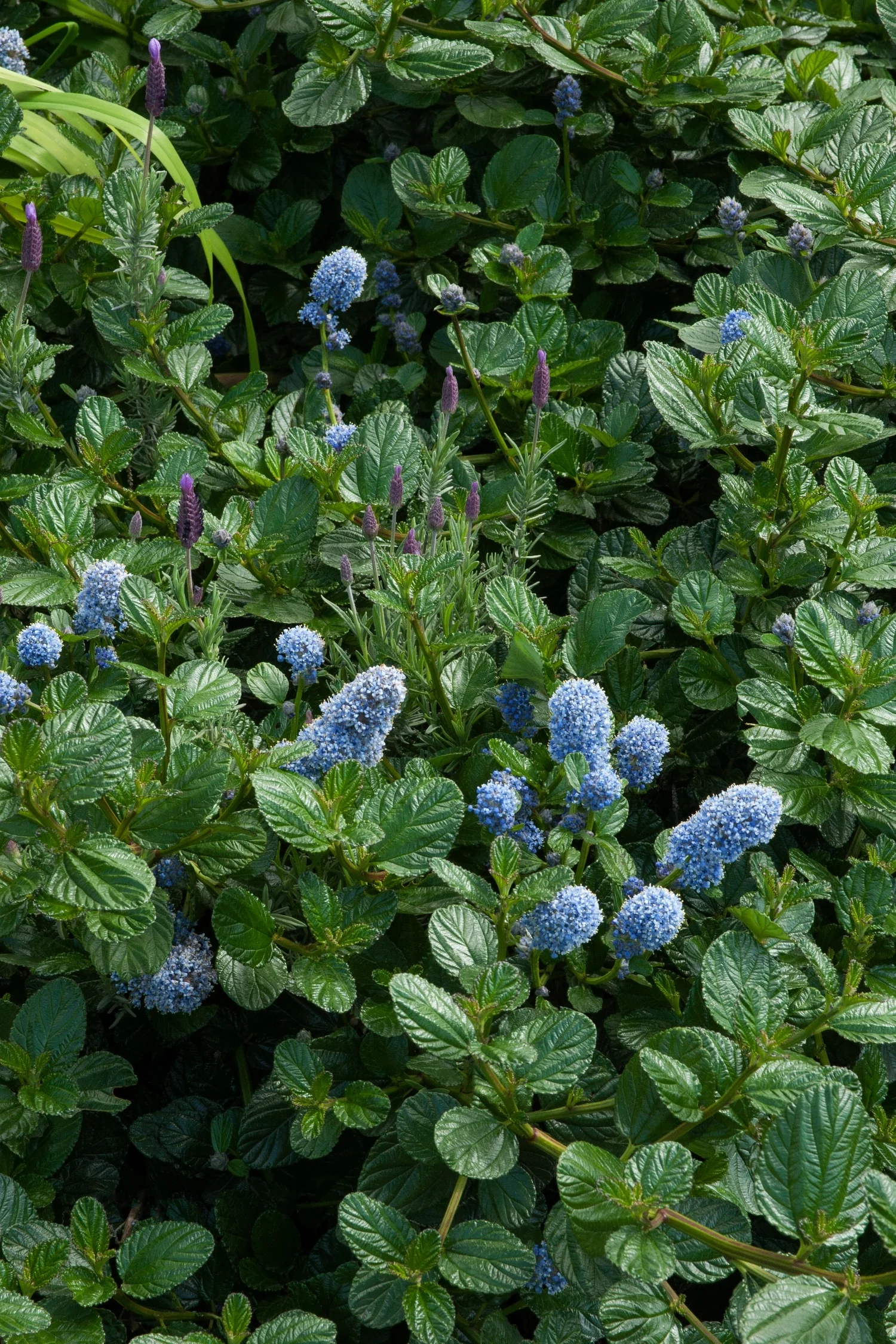
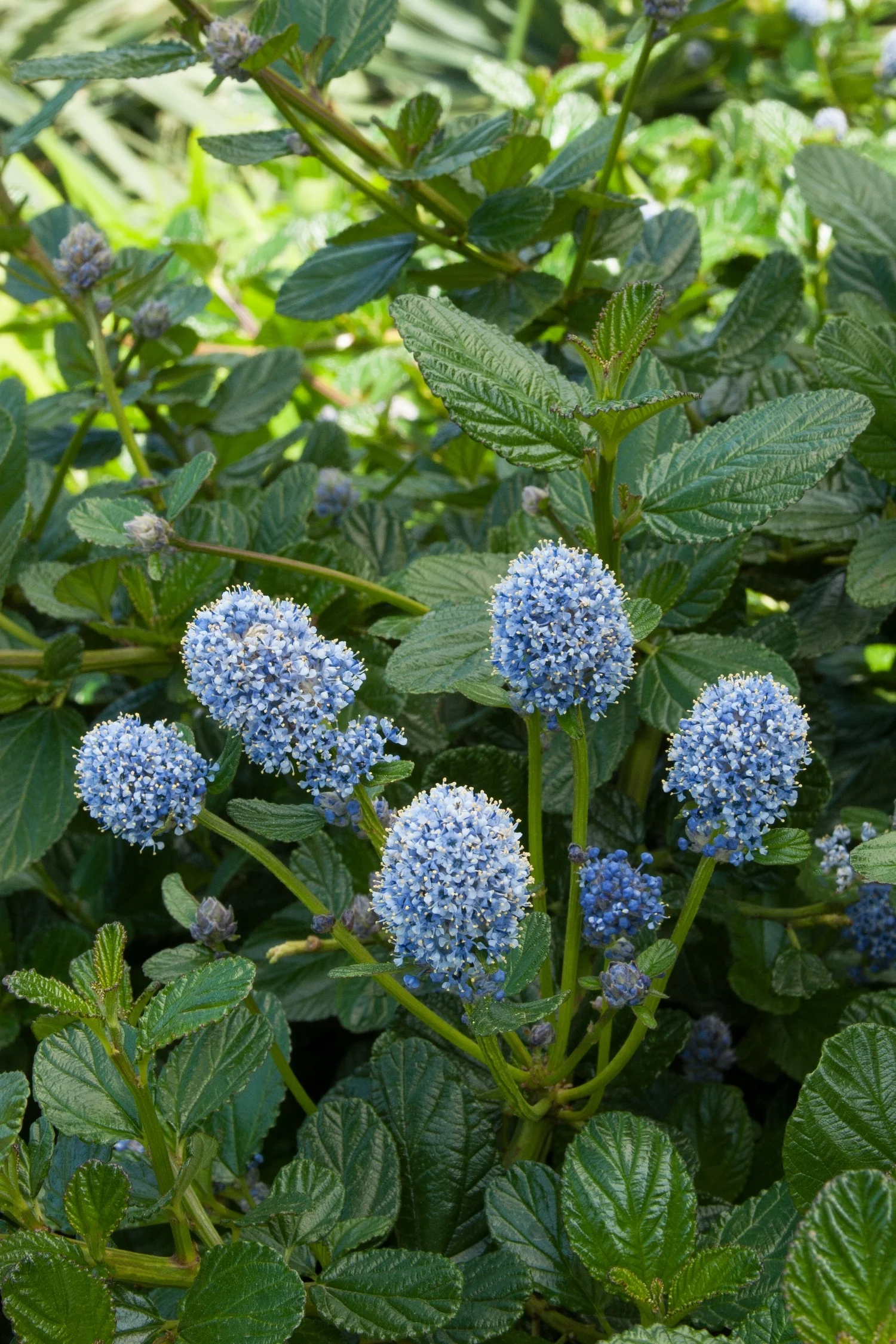
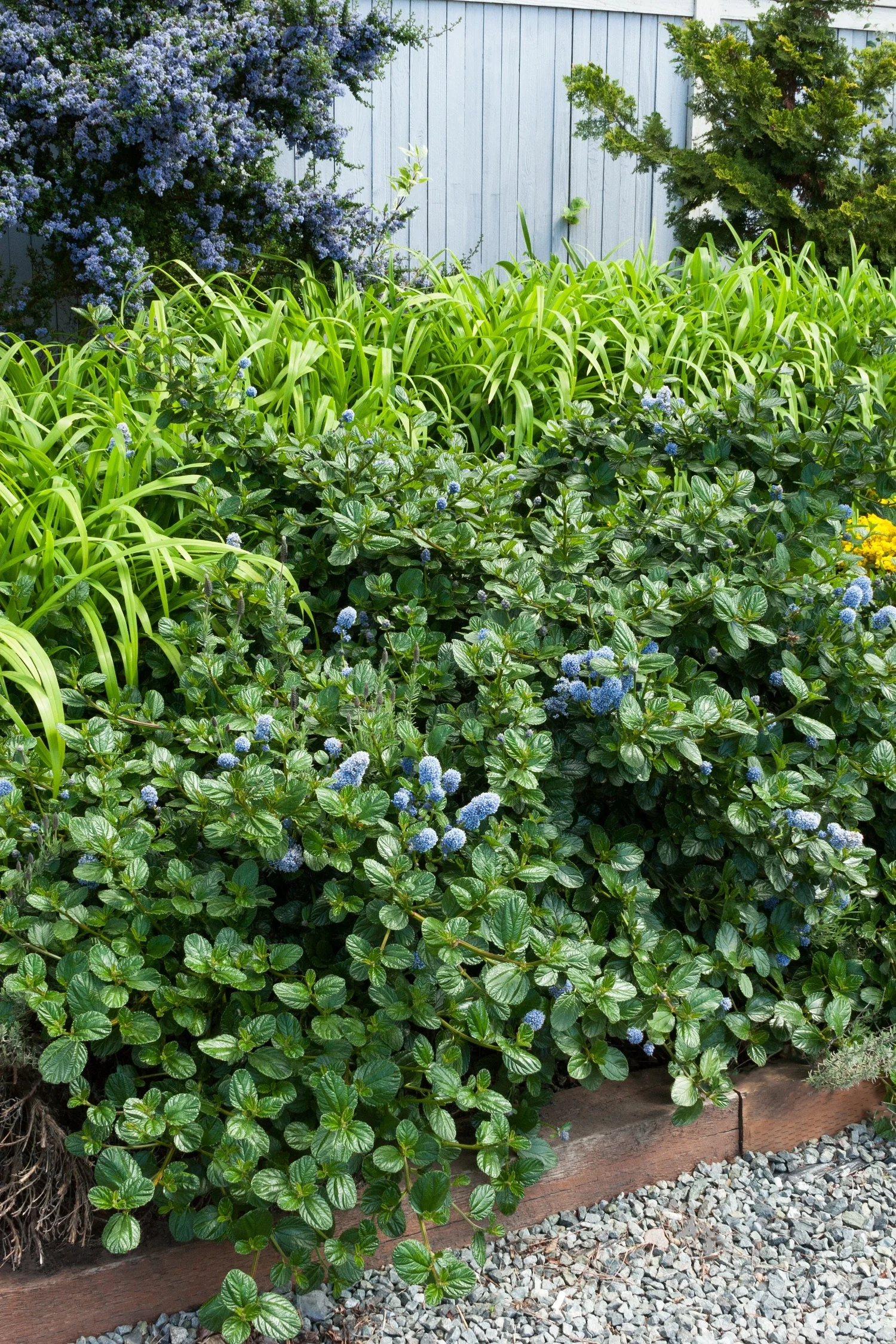
Yankee Point California Lilac
Ceanothus griseus var. horizontalis 'Yankee Point'
Pronunciation: see-an-OH-thus GREE-see-us hor-i-zon-TA-lis
SKU #02314
LIGHT:
Full sun
WATER:
Once established, water occasionally.
SIZE:
Quickly reaches 2 to 3 ft. tall, 8 to 10 ft. wide.

Retailers Near You
Ready to Grow?
Ship Monrovia plants directly to your door. Browse a curated selection available online.
Shop Now >This Plant's Growing Zones: 8-11
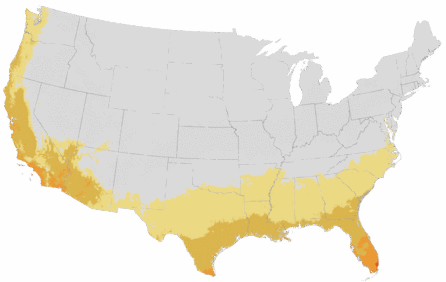
Your USDA Cold Hardiness Zone:
| Description | One of the best low-growing ceanothus for use as a large-scale groundcover. Glossy, dark green leaves with a refined look give it a truly handsome appearance. Deep blue flowers form one-inch clusters. Thrives in rocky, salt-laden coastal settings, yet adapts well to garden settings and grows well inland with dappled sun to part shade. Evergreen. |
|---|---|
| Bloom Time | Spring |
| Deciduous/Evergreen | Evergreen |
| Special Features | Easy Care, Waterwise, Attracts Pollinators, Fast Growing |
| Problems/Solutions | Coastal Exposure, Erosion Control |
| Growth Rate | Fast |
| Flower Attributes | Long Bloom Season, Showy Flowers |
| Landscape Use | Border, Ground Cover |
| Flower Color | Blue |
| Foliage Color | Dark Green |
| Companion Plants | Crape Myrtle (Lagerstroemia); Indian Hawthorn (Rhaphiolepis); Scotch Broom (Cytisus); Desert Willow (Chilopsis); Euphorbia (Euphorbia); Lomandra (Lomandra) |
| Care Instructions | Adapts to most soils, provided well-drained; intolerant of soggy soils. Water regularly in first growing season to establish root system. Once established, reduce frequency; tolerates mild drought, but best with supplemental water in hot inland areas. Fertilize in early spring. Space 5 ft. apart as groundcover, or closer for faster coverage. |
| History | This cultivar hails from an original collection belonging to plantsman Maunsell van Rensselaer; a group of four plants of the same species found on Yankee Point, a rocky coastal bluff in Monteray County, California. In 1954 Mr. Van Rensselaer chose the lowest growing, best flowering, naming the selection 'Yankee Point'. The varietal name "horizontalis" for this form of Ceanothus griseus was described in 1942 by Howard McMinn when he found it in Monterey County. More recently, this species has been included as variety of Ceanothus thyrsiflorus, which is how American botanist William Trelease originally described it in 1897. The most correct botanical description for this plant is Ceanothus thyrsiflorus var. griseus 'Yankee Point', however it is still more widely referred to as C. griseus var. horizontalis 'Yankee Point'. |
Details
| Description | One of the best low-growing ceanothus for use as a large-scale groundcover. Glossy, dark green leaves with a refined look give it a truly handsome appearance. Deep blue flowers form one-inch clusters. Thrives in rocky, salt-laden coastal settings, yet adapts well to garden settings and grows well inland with dappled sun to part shade. Evergreen. |
|---|---|
| Bloom Time | Spring |
| Deciduous/Evergreen | Evergreen |
| Special Features | Easy Care, Waterwise, Attracts Pollinators, Fast Growing |
| Problems/Solutions | Coastal Exposure, Erosion Control |
| Growth Rate | Fast |
| Flower Attributes | Long Bloom Season, Showy Flowers |
Style
| Landscape Use | Border, Ground Cover |
|---|---|
| Flower Color | Blue |
| Foliage Color | Dark Green |
| Companion Plants | Crape Myrtle (Lagerstroemia); Indian Hawthorn (Rhaphiolepis); Scotch Broom (Cytisus); Desert Willow (Chilopsis); Euphorbia (Euphorbia); Lomandra (Lomandra) |
Care
| Care Instructions | Adapts to most soils, provided well-drained; intolerant of soggy soils. Water regularly in first growing season to establish root system. Once established, reduce frequency; tolerates mild drought, but best with supplemental water in hot inland areas. Fertilize in early spring. Space 5 ft. apart as groundcover, or closer for faster coverage. |
|---|
History
| History | This cultivar hails from an original collection belonging to plantsman Maunsell van Rensselaer; a group of four plants of the same species found on Yankee Point, a rocky coastal bluff in Monteray County, California. In 1954 Mr. Van Rensselaer chose the lowest growing, best flowering, naming the selection 'Yankee Point'. The varietal name "horizontalis" for this form of Ceanothus griseus was described in 1942 by Howard McMinn when he found it in Monterey County. More recently, this species has been included as variety of Ceanothus thyrsiflorus, which is how American botanist William Trelease originally described it in 1897. The most correct botanical description for this plant is Ceanothus thyrsiflorus var. griseus 'Yankee Point', however it is still more widely referred to as C. griseus var. horizontalis 'Yankee Point'. |
|---|
Retailers Near You
About Us
We have been pioneers and craftsmen in the art of growing plants for 100 years. Since our founding in Southern California by Harry E. Rosedale, Sr. in 1926, we have been absolutely dedicated and obsessed with quality.
We have been pioneers and craftsmen in the art of growing plants for nearly 100 years. Since our founding in Southern California by Harry E. Rosedale, Sr. in 1926, we have been absolutely dedicated and obsessed with quality.