
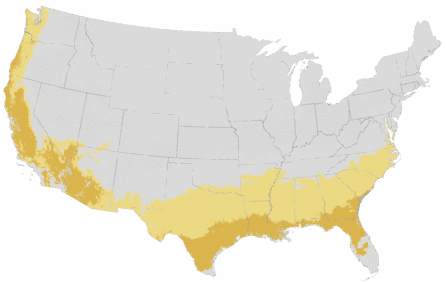
You're growing in this Zip Code:
Change LocationDiscover Plants for Your Area
Yellow Anise Tree
Illicium parviflorum
SKU #00798
LIGHT:
Full shade, Partial shade
WATER:
Keep soil consistently moist.
SIZE:
Slow growing; reaches 8 to 15 ft. tall, spreading 10 ft. wide

Retailers Near You

| Description | Small, tender evergreen tree with glossy, olive green foliage which has an anise-like aroma when crushed. Vigorous and rugged plant for warm climates. Foliage is similar to that of rhododendrons, making it a good substitute where they will not grow. Interesting small accent tree for small spaces. Evergreen. Caution: fruits are NOT a substitute for the culinary spice - DO NOT INGEST. |
|---|---|
| Bloom Time | Late spring |
| Deciduous/Evergreen | Evergreen |
| Special Features | Easy Care, North American Native |
| Problems/Solutions | Deer Resistant, Erosion Control, Very Wet Areas |
| Growth Rate | Slow |
| Growth Habit | Pyramidal |
| Landscape Use | Border, Hedge, Privacy Screen |
| Flower Color | Yellow |
| Foliage Color | Green |
| Companion Plants | Rhododendron (Rhododendron); Sweet Box (Sarcococca); Bush Lily (Clivia); Tree Fern (Dicksonia); Cast Iron Plant (Aspidistra) |
| Care Instructions | Provide organically rich, moist, well-drained soil. Shelter from harsh afternoon sun. Mulch to keep roots cool and conserve moisture. Water deeply, regularly in first growing season to establish root system; once established, water as needed to maintain evenly moist soil. Apply an acid fertilizer in early spring. Prune to shape after flowering. |
| Lore | The star anise pod is from an Asian species of anise tree; native American species do not have edible fruit. CAUTION: TOXIC IF INGESTED. Though the foliage has a similar fragrance, the plant parts of this species are not a substitute for the culinary spice and flavorings obtained from Illicium verum. |
Details
| Description | Small, tender evergreen tree with glossy, olive green foliage which has an anise-like aroma when crushed. Vigorous and rugged plant for warm climates. Foliage is similar to that of rhododendrons, making it a good substitute where they will not grow. Interesting small accent tree for small spaces. Evergreen. Caution: fruits are NOT a substitute for the culinary spice - DO NOT INGEST. |
|---|---|
| Bloom Time | Late spring |
| Deciduous/Evergreen | Evergreen |
| Special Features | Easy Care, North American Native |
| Problems/Solutions | Deer Resistant, Erosion Control, Very Wet Areas |
| Growth Rate | Slow |
| Growth Habit | Pyramidal |
Style
| Landscape Use | Border, Hedge, Privacy Screen |
|---|---|
| Flower Color | Yellow |
| Foliage Color | Green |
| Companion Plants | Rhododendron (Rhododendron); Sweet Box (Sarcococca); Bush Lily (Clivia); Tree Fern (Dicksonia); Cast Iron Plant (Aspidistra) |
Care
| Care Instructions | Provide organically rich, moist, well-drained soil. Shelter from harsh afternoon sun. Mulch to keep roots cool and conserve moisture. Water deeply, regularly in first growing season to establish root system; once established, water as needed to maintain evenly moist soil. Apply an acid fertilizer in early spring. Prune to shape after flowering. |
|---|
History
| Lore | The star anise pod is from an Asian species of anise tree; native American species do not have edible fruit. CAUTION: TOXIC IF INGESTED. Though the foliage has a similar fragrance, the plant parts of this species are not a substitute for the culinary spice and flavorings obtained from Illicium verum. |
|---|
Retailers Near You
About Us
We have been pioneers and craftsmen in the art of growing plants for 100 years. Since our founding in Southern California by Harry E. Rosedale, Sr. in 1926, we have been absolutely dedicated and obsessed with quality.
We have been pioneers and craftsmen in the art of growing plants for nearly 100 years. Since our founding in Southern California by Harry E. Rosedale, Sr. in 1926, we have been absolutely dedicated and obsessed with quality.