
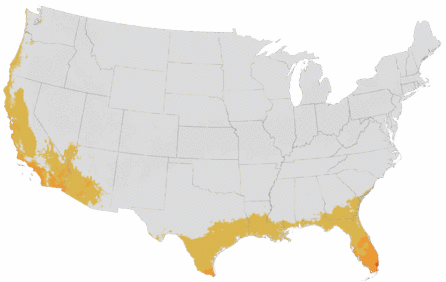
You're growing in this Zip Code:
Change LocationDiscover Plants for Your Area
Yesterday, Today and Tomorrow
Brunfelsia pauciflora 'Floribunda'
Pronunciation: brun-FELZ-ee-uh paw-sih-FLOR-uh flor-ih-BUN-duh
SKU #01350
LIGHT:
Filtered sun, Partial shade, Partial sun
WATER:
Water regularly; maintain semi-moist soil.
SIZE:
Moderate growing; reaches 3 to 8 ft. tall, 4 to 6 ft. wide.

Retailers Near You
| Description | This profuse bloomer lives up to its name by opening deep violet, turning to light violet, then white, all in three days! Make it the star of a dappled shade shrub border, plant near walkways, or mass as a showy privacy screen. Easily pruned to fit in smaller garden beds or containers. Evergreen in frost-free areas. |
|---|---|
| Bloom Time | Heaviest in spring, intermittently in summer. |
| Deciduous/Evergreen | Evergreen |
| Special Features | Attracts Butterflies, Easy Care, Ornamental Berries, Attracts Pollinators, Benefits Birds |
| Problems/Solutions | Coastal Exposure |
| Growth Rate | Moderate |
| Growth Habit | Upright |
| Flower Attributes | Fragrant, Long Bloom Season, Showy Flowers |
| Landscape Use | Border, Container, Hedge, Privacy Screen |
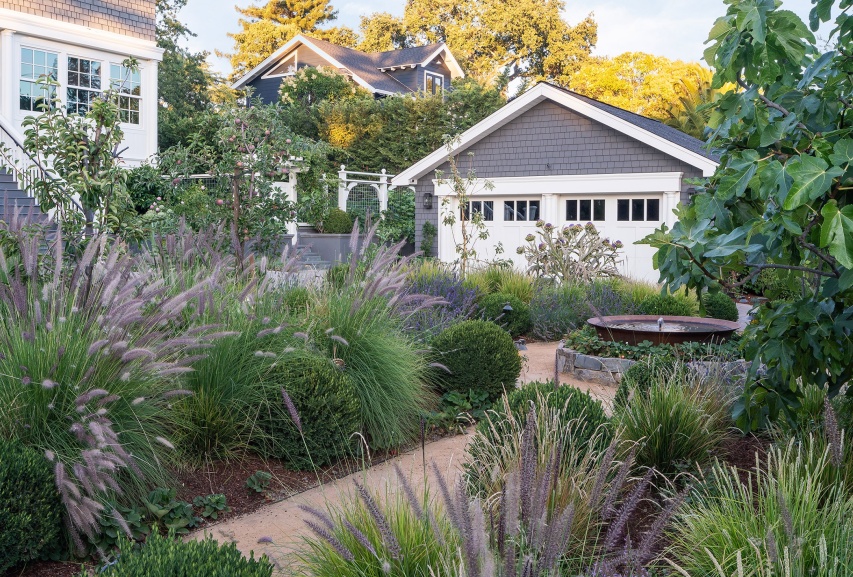
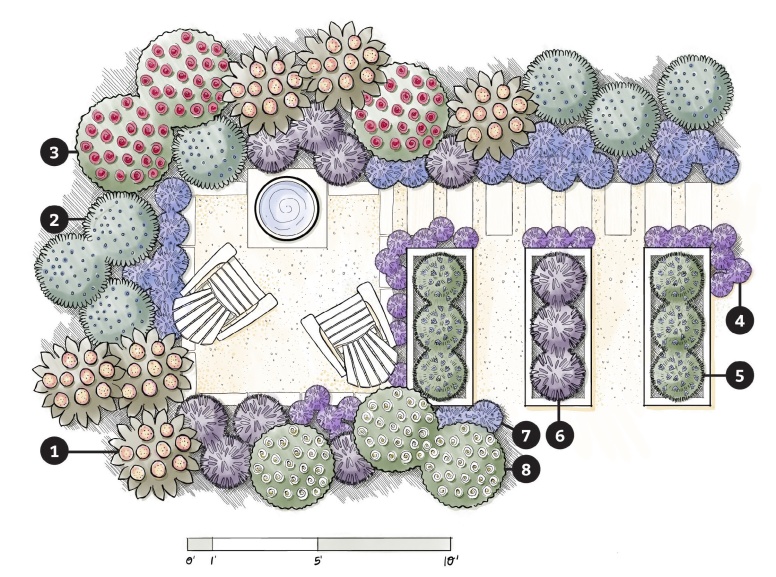
| Design Ideas | This shrub can grow to rather large proportions in the shade where it simultaneously bears flowers in white, lavender and purple. It is a rare source of blue tones among tropical plants and is a reliable performer in all but the hottest climates. Grow as foundation planting between windows and along a wall on north or east exposures. Gang plants into a background for a shady fountain or small pocket garden. Use next to doorways or at gates to appreciate it up close. Grows rather well under the canopies of large conifers. |
| Flower Color | Purple |
| Foliage Color | Green |
| Companion Plants | Lilyturf (Liriope); Elephant Ear (Colocasia); Fern (Asplenium); Star Jasmine (Tracheospermum); Princess Flower (Tibouchina) |
| Care Instructions | Provide enriched, slightly acidic soil. Sun tolerant, but best sheltered from harsh sunlight in hot summer areas. Water regularly during first growing season to establish deep, extensive root system. Feed with an acid fertilizer before new growth begins in spring. Mulch to conserve moisture. Easily kept at 3 to 4 ft. tall. Prune annually, after flowering. |
| Lore | Native to the subtropics of South America, brunfelsias prefer summer rainfall or irrigation and acidic soil, so mulch with pine-needles, peat moss, cocoa coir, or azalea/camellia compost around their bases to conserve moisture and provide acidity. Like citrus, gardenias, the leaves can fade to yellow when faced with an element deficiency. To easily correct this, supplement regular feeding with a microelement fertilizer such epsom salts (magnesium sulphate). Like many members of the nightshade family, the berries of this plant are toxic if ingested. |
Details
| Description | This profuse bloomer lives up to its name by opening deep violet, turning to light violet, then white, all in three days! Make it the star of a dappled shade shrub border, plant near walkways, or mass as a showy privacy screen. Easily pruned to fit in smaller garden beds or containers. Evergreen in frost-free areas. |
|---|---|
| Bloom Time | Heaviest in spring, intermittently in summer. |
| Deciduous/Evergreen | Evergreen |
| Special Features | Attracts Butterflies, Easy Care, Ornamental Berries, Attracts Pollinators, Benefits Birds |
| Problems/Solutions | Coastal Exposure |
| Growth Rate | Moderate |
| Growth Habit | Upright |
| Flower Attributes | Fragrant, Long Bloom Season, Showy Flowers |
Style
| Landscape Use | Border, Container, Hedge, Privacy Screen |
|---|---|
| Design Ideas | This shrub can grow to rather large proportions in the shade where it simultaneously bears flowers in white, lavender and purple. It is a rare source of blue tones among tropical plants and is a reliable performer in all but the hottest climates. Grow as foundation planting between windows and along a wall on north or east exposures. Gang plants into a background for a shady fountain or small pocket garden. Use next to doorways or at gates to appreciate it up close. Grows rather well under the canopies of large conifers. |
| Flower Color | Purple |
| Foliage Color | Green |
| Companion Plants | Lilyturf (Liriope); Elephant Ear (Colocasia); Fern (Asplenium); Star Jasmine (Tracheospermum); Princess Flower (Tibouchina) |
Care
| Care Instructions | Provide enriched, slightly acidic soil. Sun tolerant, but best sheltered from harsh sunlight in hot summer areas. Water regularly during first growing season to establish deep, extensive root system. Feed with an acid fertilizer before new growth begins in spring. Mulch to conserve moisture. Easily kept at 3 to 4 ft. tall. Prune annually, after flowering. |
|---|
History
| Lore | Native to the subtropics of South America, brunfelsias prefer summer rainfall or irrigation and acidic soil, so mulch with pine-needles, peat moss, cocoa coir, or azalea/camellia compost around their bases to conserve moisture and provide acidity. Like citrus, gardenias, the leaves can fade to yellow when faced with an element deficiency. To easily correct this, supplement regular feeding with a microelement fertilizer such epsom salts (magnesium sulphate). Like many members of the nightshade family, the berries of this plant are toxic if ingested. |
|---|
Retailers Near You
About Us
We have been pioneers and craftsmen in the art of growing plants for 100 years. Since our founding in Southern California by Harry E. Rosedale, Sr. in 1926, we have been absolutely dedicated and obsessed with quality.
We have been pioneers and craftsmen in the art of growing plants for nearly 100 years. Since our founding in Southern California by Harry E. Rosedale, Sr. in 1926, we have been absolutely dedicated and obsessed with quality.