
You're growing in this Zip Code:
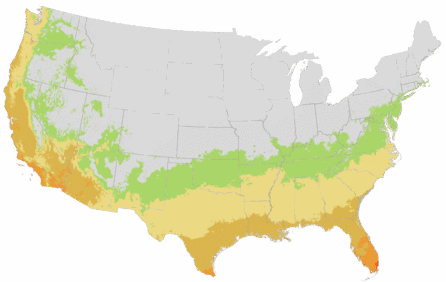
Change LocationDiscover Plants for Your Area
Yew Podocarpus
Podocarpus macrophyllus
Pronunciation: poh-doh-KAR-pus mak-roh-FIL-us
SKU #06645
LIGHT:
Full sun, Partial sun
WATER:
Water when top 2 inches of soil is dry.
SIZE:
Reaches 15 to 20 ft. tall, 6 to 8 ft. wide in 10 years; larger with age.

Retailers Near You
| Description | An attractive pyramidal garden or patio tree with dense, upright branching and narrow, leathery foliage that takes to shearing well. A versatile, slow growing, and low maintenance evergreen. An effective accent, screen or clipped hedge. Well-suited to large containers or tubs, and for formal topiary. This dioecious conifer is grown from seed; we can not guarantee if a plant purchased will be male or female. |
|---|---|
| Bloom Time | Conifer; prized for foliage. |
| Deciduous/Evergreen | Evergreen |
| Special Features | Easy Care, Improved Pest and Disease Resistance, Waterwise |
| Problems/Solutions | Coastal Exposure, Deer Resistant |
| Growth Rate | Moderate |
| Growth Habit | Pyramidal |
| Landscape Use | Container, Espalier, Hedge, Privacy Screen, Windbreak |
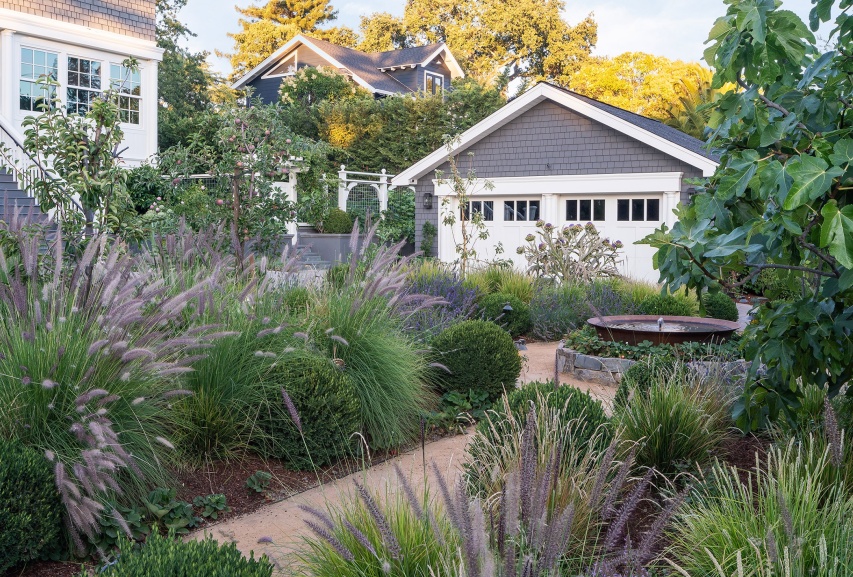
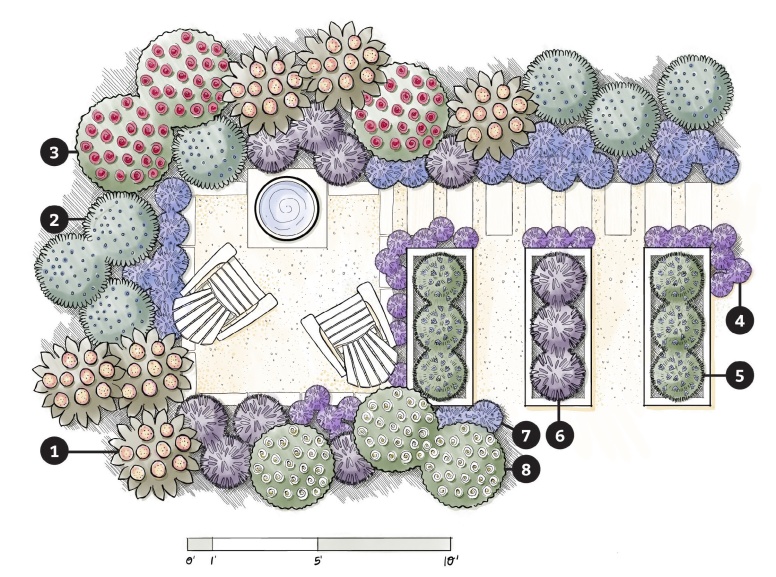
| Design Ideas | With its dense, upright form, this Podocarpus can become a columnar corner plant. Line them up, with spaces in between, as a repeating element behind traditional perennial borders. Plant as a solid hedge for a manicured privacy screen along property lines and side yards. In warm-winter climates, it makes a great evergreen background that can be shaped to your needs. Excellent choice for front yards needing separation between multistory buildings. |
| Foliage Color | Green |
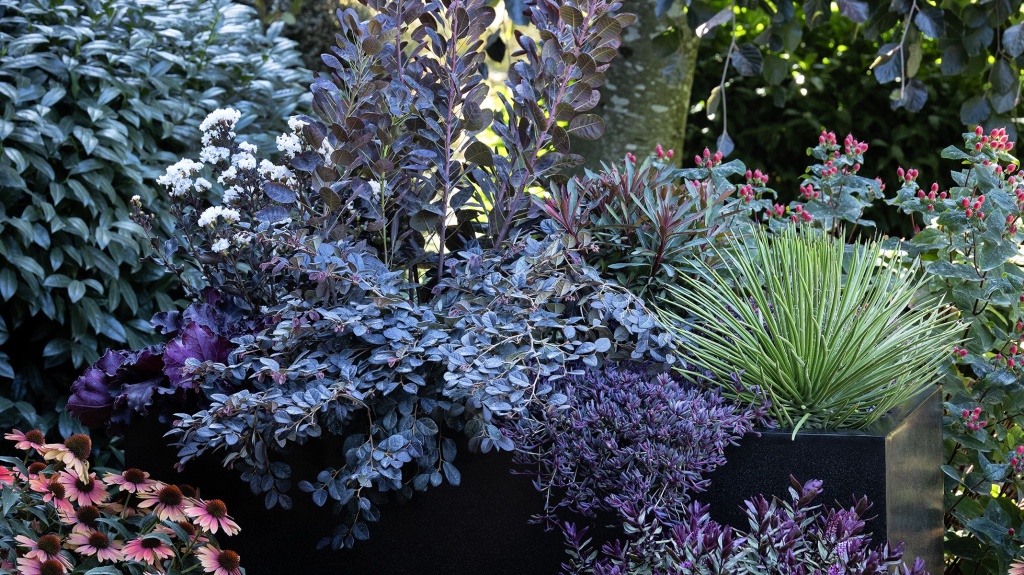
| Companion Plants | Phormium (Phormium); Loropetalum (Loropetalum); Abelia (Abelia); Hebe (Hebe); Kohuhu (Pittosporum); Crape Myrtle (Lagerstroemia) |
| Care Instructions | Provide enriched, slightly acidic, well-drained soil. Water deeply and regularly during the first few growing seasons to establish an extensive root system. Once established, reduce frequency; prefers regular water but tolerates some drought. Feed in early spring before new growth emerges. Prune annually to shape. |
| History | This is a valuable plant native to Japan and southern China.This genus was conferred by French botanist Charles L'Hertier de Brutelle, 1746-1800, either from specimens provided by Thunberg from Japan or more likely those sent west by French Catholic missionaries in China. The species was described but misclassified by Carl Thunberg in the 18th century as a yew under Taxus macrophylla. It also went by P. longifolia for awhile. Scots botanist David Don, 1799-1841 accurately classified the plants as P. macrophyllus to describe its notably long leaf shape. |
| Lore | The tree is grown in China for its religious symbolism related to its appearance which suggests the lohans, followers of Buddha, often depicted on temple walls. Therefore aged specimens of this "lohan pine" tree are frequently found on temple grounds. |
Details
| Description | An attractive pyramidal garden or patio tree with dense, upright branching and narrow, leathery foliage that takes to shearing well. A versatile, slow growing, and low maintenance evergreen. An effective accent, screen or clipped hedge. Well-suited to large containers or tubs, and for formal topiary. This dioecious conifer is grown from seed; we can not guarantee if a plant purchased will be male or female. |
|---|---|
| Bloom Time | Conifer; prized for foliage. |
| Deciduous/Evergreen | Evergreen |
| Special Features | Easy Care, Improved Pest and Disease Resistance, Waterwise |
| Problems/Solutions | Coastal Exposure, Deer Resistant |
| Growth Rate | Moderate |
| Growth Habit | Pyramidal |
Style
| Landscape Use | Container, Espalier, Hedge, Privacy Screen, Windbreak |
|---|---|
| Design Ideas | With its dense, upright form, this Podocarpus can become a columnar corner plant. Line them up, with spaces in between, as a repeating element behind traditional perennial borders. Plant as a solid hedge for a manicured privacy screen along property lines and side yards. In warm-winter climates, it makes a great evergreen background that can be shaped to your needs. Excellent choice for front yards needing separation between multistory buildings. |
| Foliage Color | Green |
| Companion Plants | Phormium (Phormium); Loropetalum (Loropetalum); Abelia (Abelia); Hebe (Hebe); Kohuhu (Pittosporum); Crape Myrtle (Lagerstroemia) |
Care
| Care Instructions | Provide enriched, slightly acidic, well-drained soil. Water deeply and regularly during the first few growing seasons to establish an extensive root system. Once established, reduce frequency; prefers regular water but tolerates some drought. Feed in early spring before new growth emerges. Prune annually to shape. |
|---|
History
| History | This is a valuable plant native to Japan and southern China.This genus was conferred by French botanist Charles L'Hertier de Brutelle, 1746-1800, either from specimens provided by Thunberg from Japan or more likely those sent west by French Catholic missionaries in China. The species was described but misclassified by Carl Thunberg in the 18th century as a yew under Taxus macrophylla. It also went by P. longifolia for awhile. Scots botanist David Don, 1799-1841 accurately classified the plants as P. macrophyllus to describe its notably long leaf shape. |
|---|---|
| Lore | The tree is grown in China for its religious symbolism related to its appearance which suggests the lohans, followers of Buddha, often depicted on temple walls. Therefore aged specimens of this "lohan pine" tree are frequently found on temple grounds. |
Retailers Near You
About Us
We have been pioneers and craftsmen in the art of growing plants for 100 years. Since our founding in Southern California by Harry E. Rosedale, Sr. in 1926, we have been absolutely dedicated and obsessed with quality.
We have been pioneers and craftsmen in the art of growing plants for nearly 100 years. Since our founding in Southern California by Harry E. Rosedale, Sr. in 1926, we have been absolutely dedicated and obsessed with quality.