
You're growing in this Zip Code:
Change LocationDiscover Plants for Your Area
Abbotswood Potentilla
Potentilla fruticosa 'Abbotswood'
Pronunciation: poh-ten-TIL-a froo-ti-KOH-sa
SKU #06669
LIGHT:
Full sun
WATER:
Once established water during dry spells.
SIZE:
Moderate growing, to 2 ft. tall, 3 ft. wide.

Retailers Near You
Ready to Grow?
Ship Monrovia plants directly to your door. Browse a curated selection available online.
Shop Now >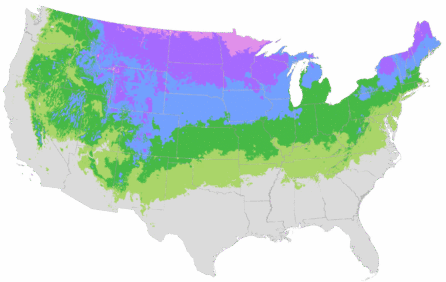
| Description | An excellent dwarf shrub that will provide brilliant summer interest with masses of bright white blooms that cover the fine green foliage, long after many plants have stopped flowering. A versatile plant for use as an accent or along walkways, in borders, low hedges, and foundation plantings. Deciduous. |
|---|---|
| Bloom Time | Summer |
| Deciduous/Evergreen | Deciduous |
| Special Features | Attracts Butterflies, Easy Care, Waterwise, Non-toxic to Cats and Dogs, Attracts Pollinators, Compact Form |
| Problems/Solutions | Deer Resistant, Erosion Control, Rabbit Resistant, Road Salt Tolerant |
| Growth Rate | Moderate |
| Growth Habit | Rounded |
| Flower Attributes | Showy Flowers |
| Landscape Use | Border, Hedge, Ground Cover |
| Design Ideas | Use as a fast-growing shrub for hot, dry places in the garden. Grow in the perennial border at middle to rear location. Small enough for edging or an informal hedge. Particularly lovely for adding late-summer color to moonlight or all-white gardens. An ideal foundation plant for under low picture windows in front yards. Potentilla is a most resilient plant for adding zest to drought-resistant gardens or for that cheerful rangy quality so loved in country or cottage gardens. |
| Flower Color | White |
| Foliage Color | Gray-green |
| Companion Plants | Switch Grass (Panicum); Weigela (Weigela); Catmint (Nepeta); Ninebark (Physocarpus); Spirea (Spiraea) |
| Care Instructions | Thrives in light, average to poor, well-drained soils. Follow a regular watering schedule during the first growing season to establish a deep, extensive root system. Water deeply, less frequently when established; tolerates some drought. Feed with a general purpose fertilizer before new growth begins in spring. |
| History | The genus Potentilla, commonly known as cinquefoil (five-leaflets) is classified in the rose family with flowers that resemble those of a 5 petal wild rose. It includes over 500 different species of shrubs and herbaceous plants. The genus was classified by Linnaeus in the 18th century, the name derived from the Latin potens, which means powerful, as the European species were considered potent medicinal plants. This species is native to much of Canada, New England and cold mountains from coast to coast. This species and its cultivars encompasses most of the cultivated plants in the genus. There was an effort to reclassify the plant in its own genus Daisphora fruticosa by Per Axel Rydberg, 1860-1931 of the New York Botanical Garden. |
Details
| Description | An excellent dwarf shrub that will provide brilliant summer interest with masses of bright white blooms that cover the fine green foliage, long after many plants have stopped flowering. A versatile plant for use as an accent or along walkways, in borders, low hedges, and foundation plantings. Deciduous. |
|---|---|
| Bloom Time | Summer |
| Deciduous/Evergreen | Deciduous |
| Special Features | Attracts Butterflies, Easy Care, Waterwise, Non-toxic to Cats and Dogs, Attracts Pollinators, Compact Form |
| Problems/Solutions | Deer Resistant, Erosion Control, Rabbit Resistant, Road Salt Tolerant |
| Growth Rate | Moderate |
| Growth Habit | Rounded |
| Flower Attributes | Showy Flowers |
Style
| Landscape Use | Border, Hedge, Ground Cover |
|---|---|
| Design Ideas | Use as a fast-growing shrub for hot, dry places in the garden. Grow in the perennial border at middle to rear location. Small enough for edging or an informal hedge. Particularly lovely for adding late-summer color to moonlight or all-white gardens. An ideal foundation plant for under low picture windows in front yards. Potentilla is a most resilient plant for adding zest to drought-resistant gardens or for that cheerful rangy quality so loved in country or cottage gardens. |
| Flower Color | White |
| Foliage Color | Gray-green |
| Companion Plants | Switch Grass (Panicum); Weigela (Weigela); Catmint (Nepeta); Ninebark (Physocarpus); Spirea (Spiraea) |
Care
| Care Instructions | Thrives in light, average to poor, well-drained soils. Follow a regular watering schedule during the first growing season to establish a deep, extensive root system. Water deeply, less frequently when established; tolerates some drought. Feed with a general purpose fertilizer before new growth begins in spring. |
|---|
History
| History | The genus Potentilla, commonly known as cinquefoil (five-leaflets) is classified in the rose family with flowers that resemble those of a 5 petal wild rose. It includes over 500 different species of shrubs and herbaceous plants. The genus was classified by Linnaeus in the 18th century, the name derived from the Latin potens, which means powerful, as the European species were considered potent medicinal plants. This species is native to much of Canada, New England and cold mountains from coast to coast. This species and its cultivars encompasses most of the cultivated plants in the genus. There was an effort to reclassify the plant in its own genus Daisphora fruticosa by Per Axel Rydberg, 1860-1931 of the New York Botanical Garden. |
|---|
Frequently asked questions
Does Abbotswood Potentilla produce flowers?
Summer
Is Abbotswood Potentilla evergreen or deciduous?
Abbotswood Potentilla is Deciduous.
What are the special features of Abbotswood Potentilla?
Abbotswood Potentilla is Attracts Butterflies, Easy Care, Waterwise, Non-toxic to Cats and Dogs, Attracts Pollinators, Compact Form.
Is Abbotswood Potentilla resistant to pests or animals?
Deer Resistant, Erosion Control, Rabbit Resistant, Road Salt Tolerant
How fast does Abbotswood Potentilla grow?
Abbotswood Potentilla has a Moderate growth rate.
What is the growth habit of Abbotswood Potentilla?
Abbotswood Potentilla grows in an Rounded habit.
Where can I use Abbotswood Potentilla in my landscape?
Abbotswood Potentilla is suitable for: Border, Hedge, Ground Cover.
How can I use Abbotswood Potentilla in my garden design?
Use as a fast-growing shrub for hot, dry places in the garden. Grow in the perennial border at middle to rear location. Small enough for edging or an informal hedge. Particularly lovely for adding late-summer color to moonlight or all-white gardens. An ideal foundation plant for under low picture windows in front yards. Potentilla is a most resilient plant for adding zest to drought-resistant gardens or for that cheerful rangy quality so loved in country or cottage gardens.
What color are Abbotswood Potentilla flowers?
Abbotswood Potentilla produces White flowers.
What color is the foliage of Abbotswood Potentilla?
Abbotswood Potentilla has Gray-green foliage.
What plants grow well with Abbotswood Potentilla?
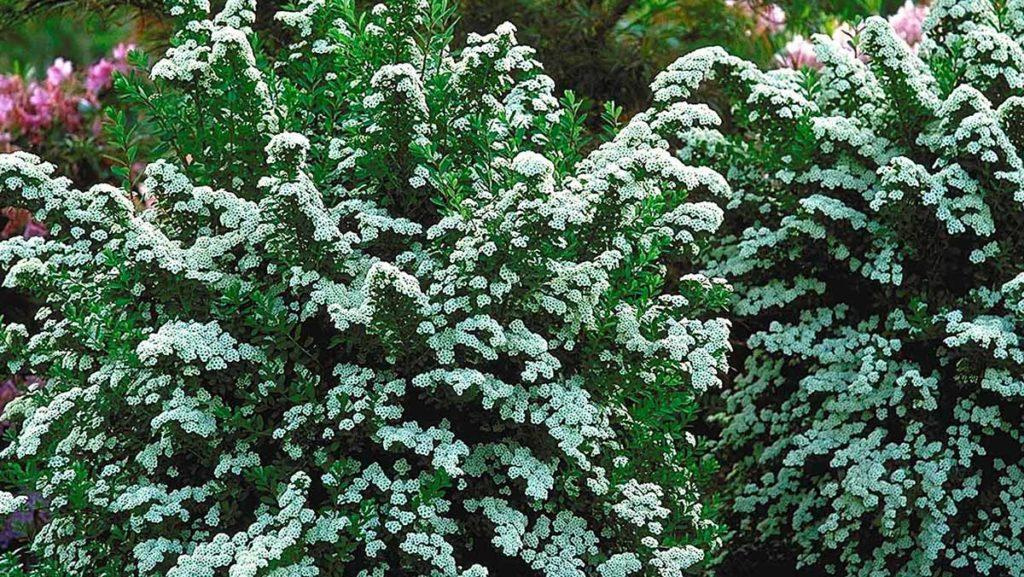
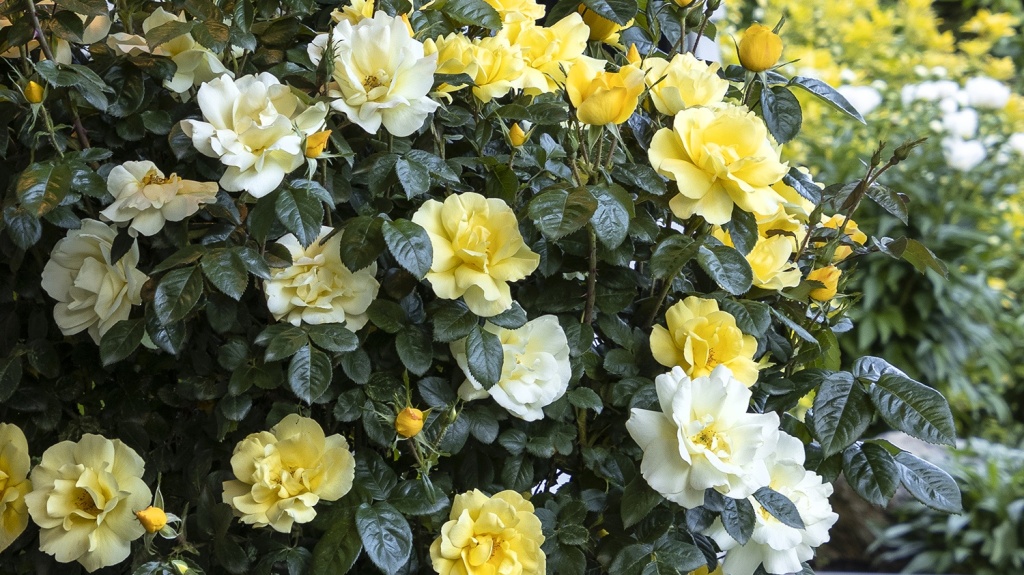
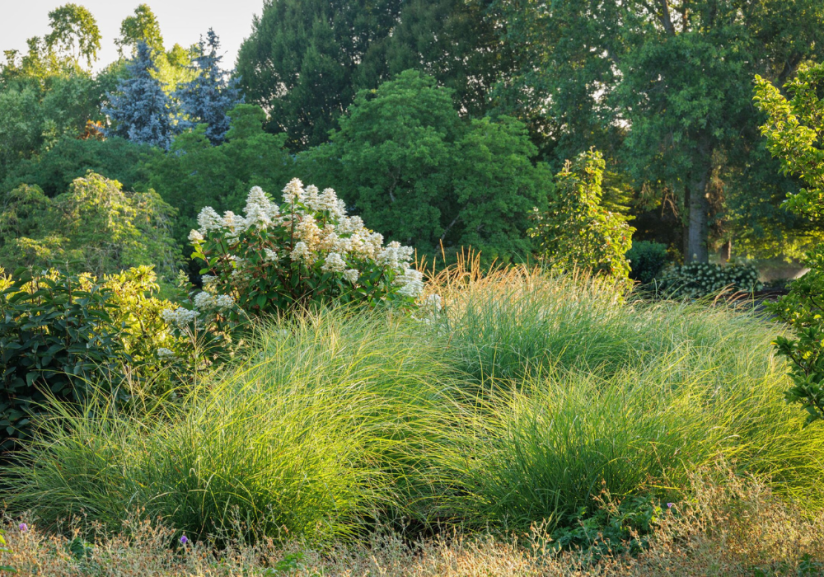
Good companion plants for Abbotswood Potentilla include: Switch Grass (Panicum); Weigela (Weigela); Catmint (Nepeta); Ninebark (Physocarpus); Spirea (Spiraea).
How do I care for Abbotswood Potentilla?
Thrives in light, average to poor, well-drained soils. Follow a regular watering schedule during the first growing season to establish a deep, extensive root system. Water deeply, less frequently when established; tolerates some drought. Feed with a general purpose fertilizer before new growth begins in spring.
What is the history of Abbotswood Potentilla?
The genus Potentilla, commonly known as cinquefoil (five-leaflets) is classified in the rose family with flowers that resemble those of a 5 petal wild rose. It includes over 500 different species of shrubs and herbaceous plants. The genus was classified by Linnaeus in the 18th century, the name derived from the Latin potens, which means powerful, as the European species were considered potent medicinal plants. This species is native to much of Canada, New England and cold mountains from coast to coast. This species and its cultivars encompasses most of the cultivated plants in the genus. There was an effort to reclassify the plant in its own genus Daisphora fruticosa by Per Axel Rydberg, 1860-1931 of the New York Botanical Garden.
Retailers Near You
About Us
We have been pioneers and craftsmen in the art of growing plants for 100 years. Since our founding in Southern California by Harry E. Rosedale, Sr. in 1926, we have been absolutely dedicated and obsessed with quality.
We have been pioneers and craftsmen in the art of growing plants for nearly 100 years. Since our founding in Southern California by Harry E. Rosedale, Sr. in 1926, we have been absolutely dedicated and obsessed with quality.