
You're growing in this Zip Code:
Change LocationDiscover Plants for Your Area
Baby Blue Eyes Spruce
Picea pungens 'Baby Blue Eyes'
Pronunciation: PY-see-a PUN-jenz
SKU #03843
LIGHT:
Full sun, Partial sun
WATER:
Water when top 2 inches of soil is dry.
SIZE:
Slow growing, 15 to 30 ft. tall, 15 ft. wide.

Retailers Near You
Ready to Grow?
Ship Monrovia plants directly to your door. Browse a curated selection available online.
Shop Now >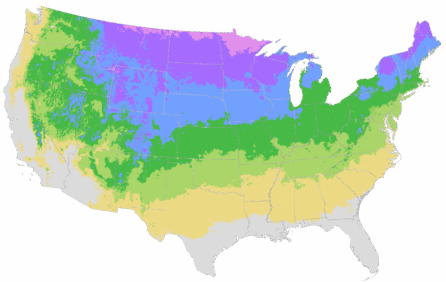

| Description | Slower growing than the native Colorado spruce, this semi-dwarf selection is useful for smaller landscapes and confined spaces. Dense, eye-catching silvery blue-green foliage holds its color well. Growing only a few inches per year, it develops a broad, pyramidal form. Evergreen. |
|---|---|
| Bloom Time | Conifer; prized for foliage. |
| Deciduous/Evergreen | Evergreen |
| Special Features | Dramatic Foliage Color, Easy Care, Waterwise |
| Problems/Solutions | Deer Resistant, Rabbit Resistant |
| Growth Rate | Slow |
| Landscape Use | Privacy Screen |
| Foliage Color | Silver-blue |
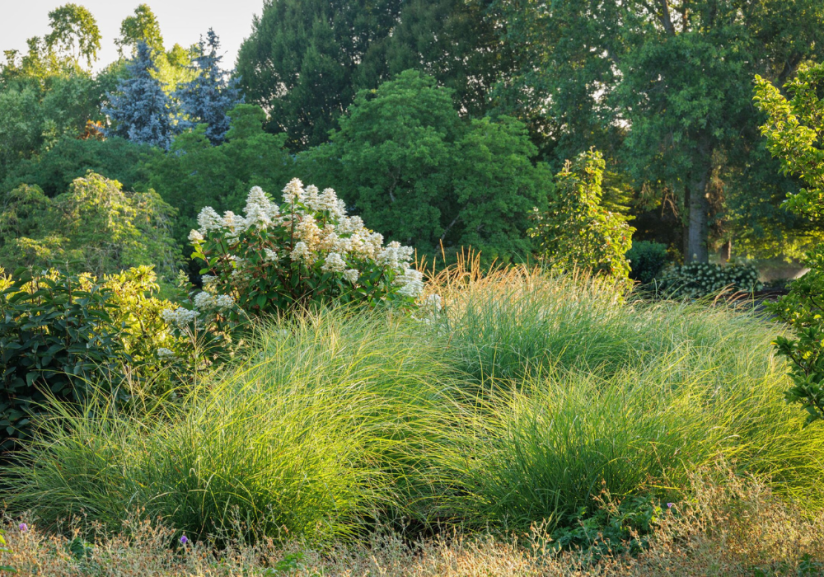
| Companion Plants | Maiden Grass (Miscanthus); Butterfly Bush (Buddleja); Potentilla (Potentilla); Ninebark (Physocarpus); Spirea (Spiraea) |
| Care Instructions | Provide well-drained, slightly acidic soil. Thrives in cool summer areas. Follow a regular watering schedule during the first growing season to establish a deep, extensive root system. May be watered deeply, less frequently when established. Apply a general purpose fertilizer in early spring. |
| History | The species Picea pungens is native to the central Rocky Mountains from southern Montana and eastern Idaho south to New Mexico.This semi-dwarf cultivar was discovered in 1972, as a chance seedling in a cultivated group of grafted Picea pungens 'Moerheimii' trees by Verl Holden in his nursery in Silverton, Oregon (P.P. 5,457). |
Details
| Description | Slower growing than the native Colorado spruce, this semi-dwarf selection is useful for smaller landscapes and confined spaces. Dense, eye-catching silvery blue-green foliage holds its color well. Growing only a few inches per year, it develops a broad, pyramidal form. Evergreen. |
|---|---|
| Bloom Time | Conifer; prized for foliage. |
| Deciduous/Evergreen | Evergreen |
| Special Features | Dramatic Foliage Color, Easy Care, Waterwise |
| Problems/Solutions | Deer Resistant, Rabbit Resistant |
| Growth Rate | Slow |
Style
| Landscape Use | Privacy Screen |
|---|---|
| Foliage Color | Silver-blue |
| Companion Plants | Maiden Grass (Miscanthus); Butterfly Bush (Buddleja); Potentilla (Potentilla); Ninebark (Physocarpus); Spirea (Spiraea) |
Care
| Care Instructions | Provide well-drained, slightly acidic soil. Thrives in cool summer areas. Follow a regular watering schedule during the first growing season to establish a deep, extensive root system. May be watered deeply, less frequently when established. Apply a general purpose fertilizer in early spring. |
|---|
History
| History | The species Picea pungens is native to the central Rocky Mountains from southern Montana and eastern Idaho south to New Mexico.This semi-dwarf cultivar was discovered in 1972, as a chance seedling in a cultivated group of grafted Picea pungens 'Moerheimii' trees by Verl Holden in his nursery in Silverton, Oregon (P.P. 5,457). |
|---|
Frequently asked questions
Does Baby Blue Eyes Spruce produce flowers?
Conifer; prized for foliage.
Is Baby Blue Eyes Spruce evergreen or deciduous?
Baby Blue Eyes Spruce is Evergreen.
What are the special features of Baby Blue Eyes Spruce?
Baby Blue Eyes Spruce is Dramatic Foliage Color, Easy Care, Waterwise.
Is Baby Blue Eyes Spruce resistant to pests or animals?
Deer Resistant, Rabbit Resistant
How fast does Baby Blue Eyes Spruce grow?
Baby Blue Eyes Spruce has a Slow growth rate.
Where can I use Baby Blue Eyes Spruce in my landscape?
Baby Blue Eyes Spruce is suitable for: Privacy Screen.
What color is the foliage of Baby Blue Eyes Spruce?
Baby Blue Eyes Spruce has Silver-blue foliage.
What plants grow well with Baby Blue Eyes Spruce?
Good companion plants for Baby Blue Eyes Spruce include: Maiden Grass (Miscanthus); Butterfly Bush (Buddleja); Potentilla (Potentilla); Ninebark (Physocarpus); Spirea (Spiraea).
How do I care for Baby Blue Eyes Spruce?
Provide well-drained, slightly acidic soil. Thrives in cool summer areas. Follow a regular watering schedule during the first growing season to establish a deep, extensive root system. May be watered deeply, less frequently when established. Apply a general purpose fertilizer in early spring.
What is the history of Baby Blue Eyes Spruce?
The species Picea pungens is native to the central Rocky Mountains from southern Montana and eastern Idaho south to New Mexico.This semi-dwarf cultivar was discovered in 1972, as a chance seedling in a cultivated group of grafted Picea pungens 'Moerheimii' trees by Verl Holden in his nursery in Silverton, Oregon (P.P. 5,457).
Retailers Near You
About Us
We have been pioneers and craftsmen in the art of growing plants for 100 years. Since our founding in Southern California by Harry E. Rosedale, Sr. in 1926, we have been absolutely dedicated and obsessed with quality.
We have been pioneers and craftsmen in the art of growing plants for nearly 100 years. Since our founding in Southern California by Harry E. Rosedale, Sr. in 1926, we have been absolutely dedicated and obsessed with quality.