
You're growing in this Zip Code:
Discover Plants for Your Area
Blue Dracaena Palm
Cordyline indivisa
Pronunciation: kor-di-LI-ne in-di-VI-za
SKU #03170
LIGHT:
Full sun, Partial sun
WATER:
Water when soil surface is dry.
SIZE:
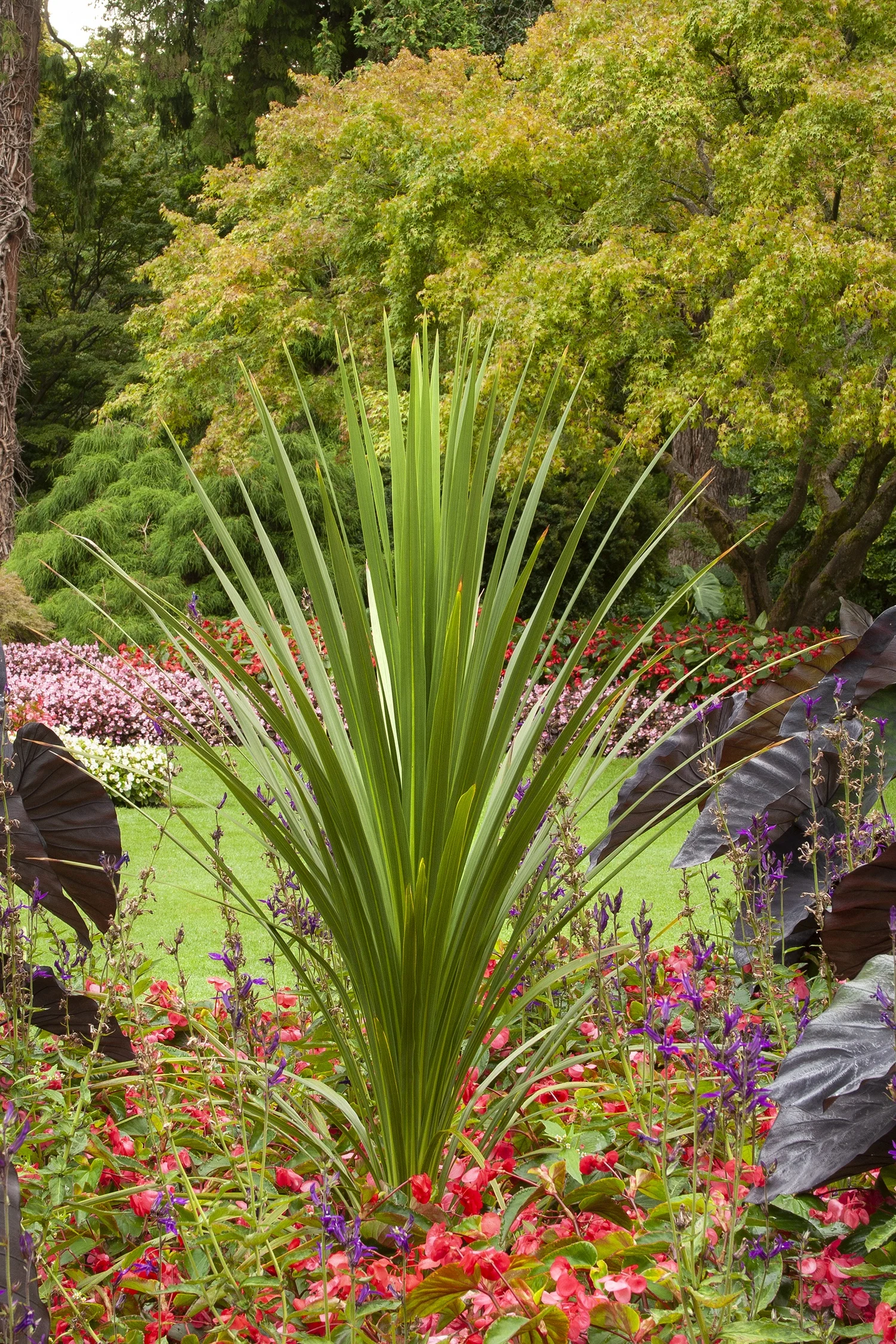
Grows 20 to 25 ft. tall, 8 to 10 ft. wide; smaller when container grown.

Retailers Near You
Ready to Grow?
Ship Monrovia plants directly to your door. Browse a curated selection available online.
Shop Now >This Plant's Growing Zones: ALL
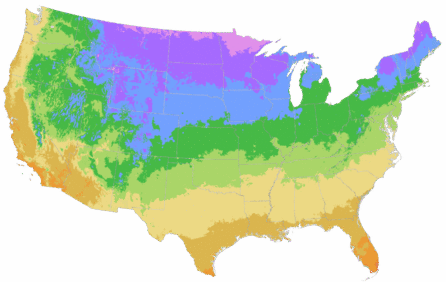
Your USDA Cold Hardiness Zone:
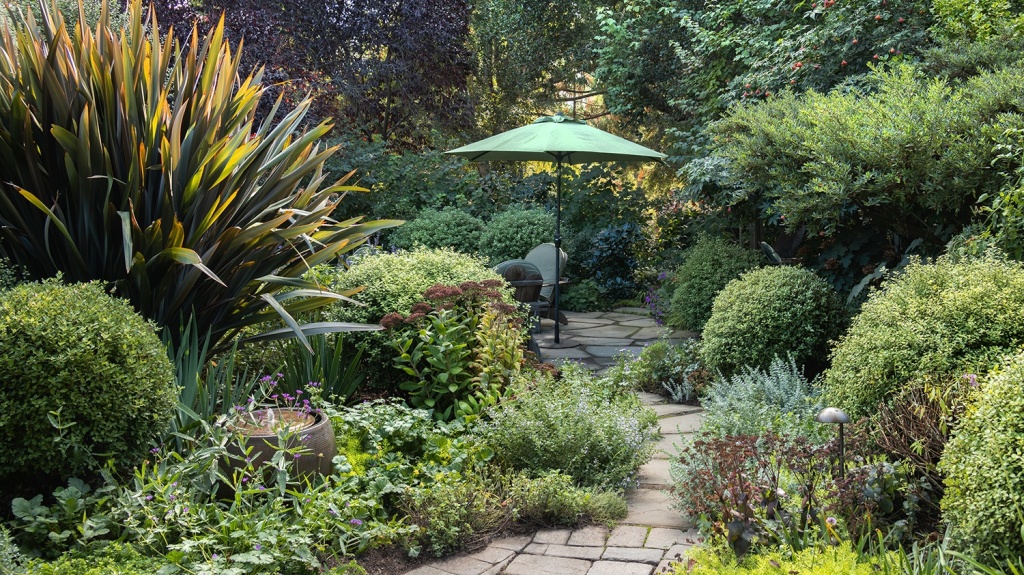
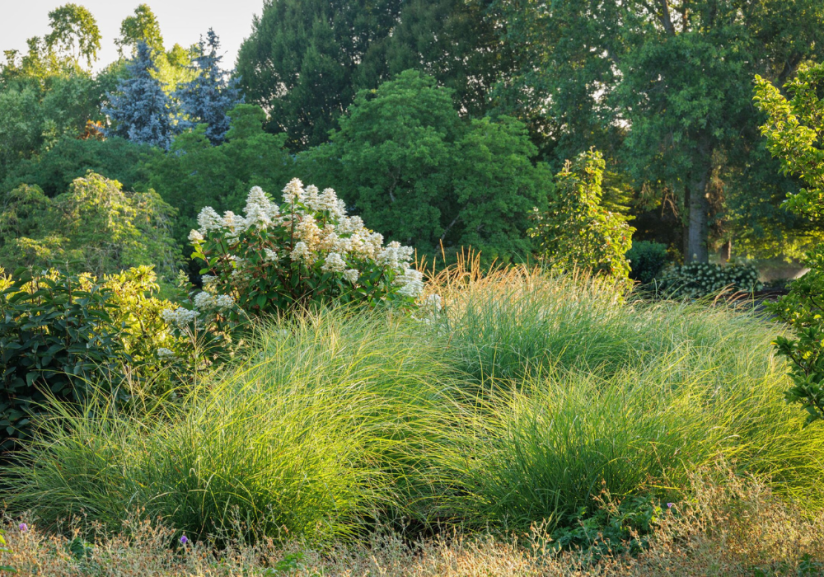
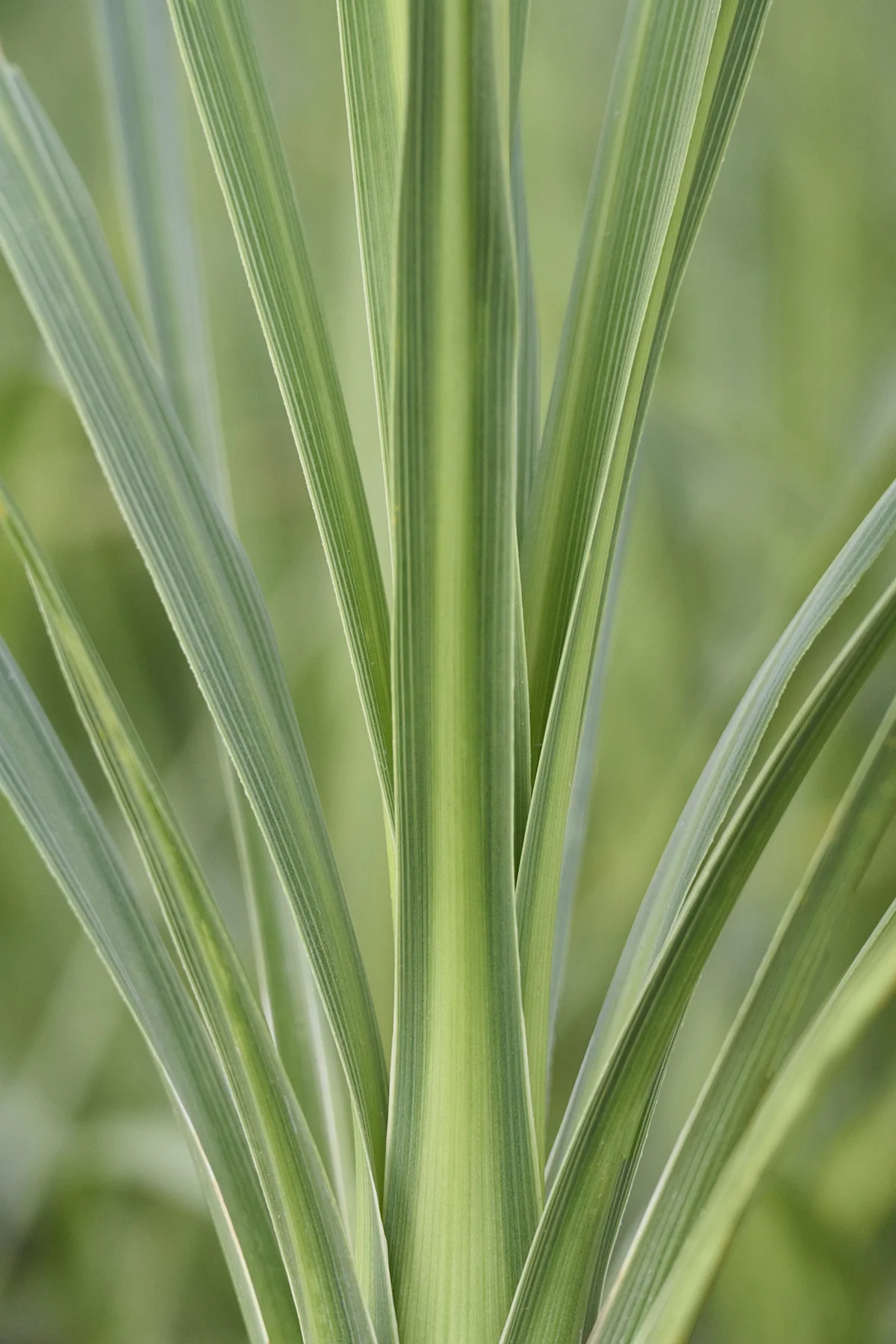
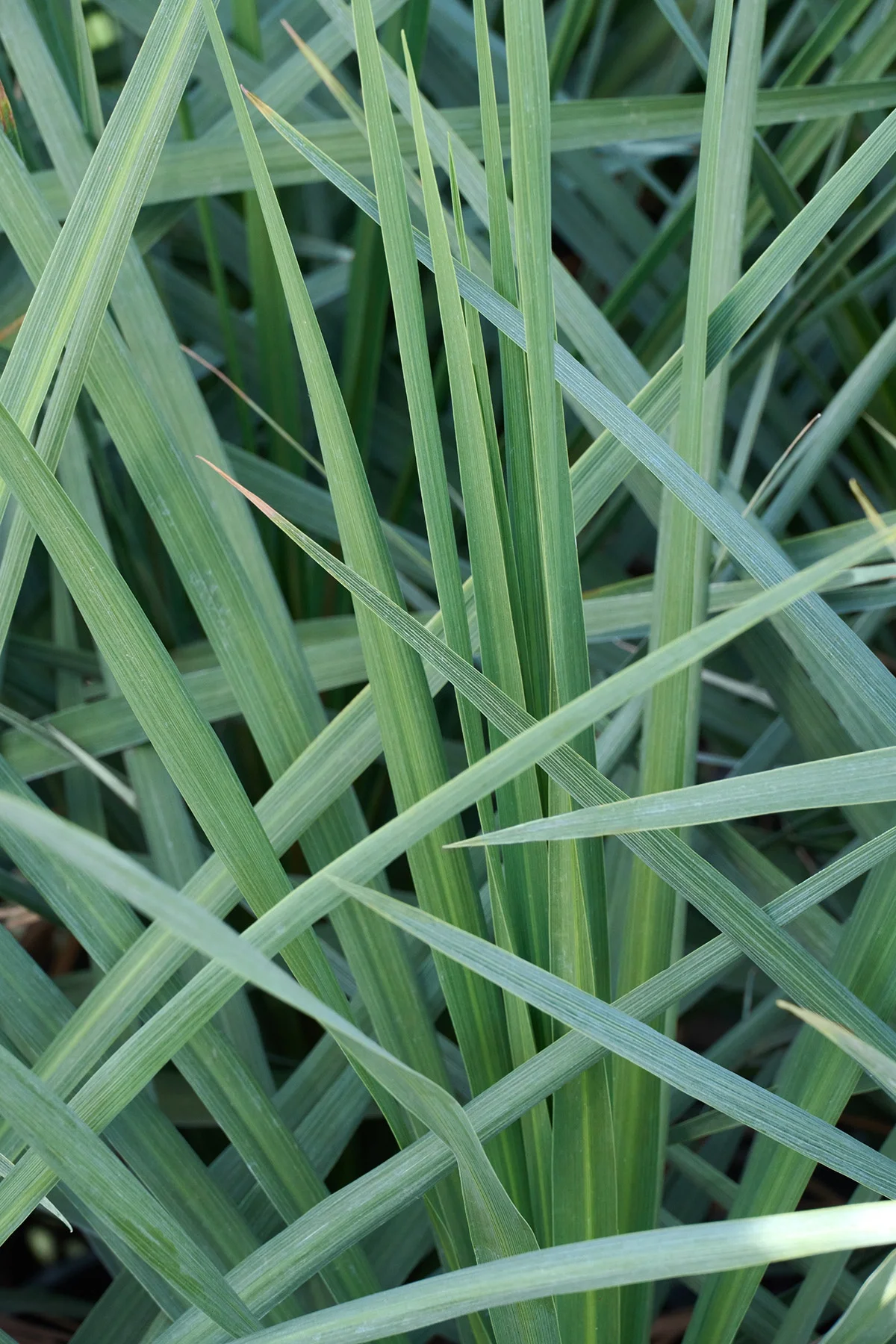
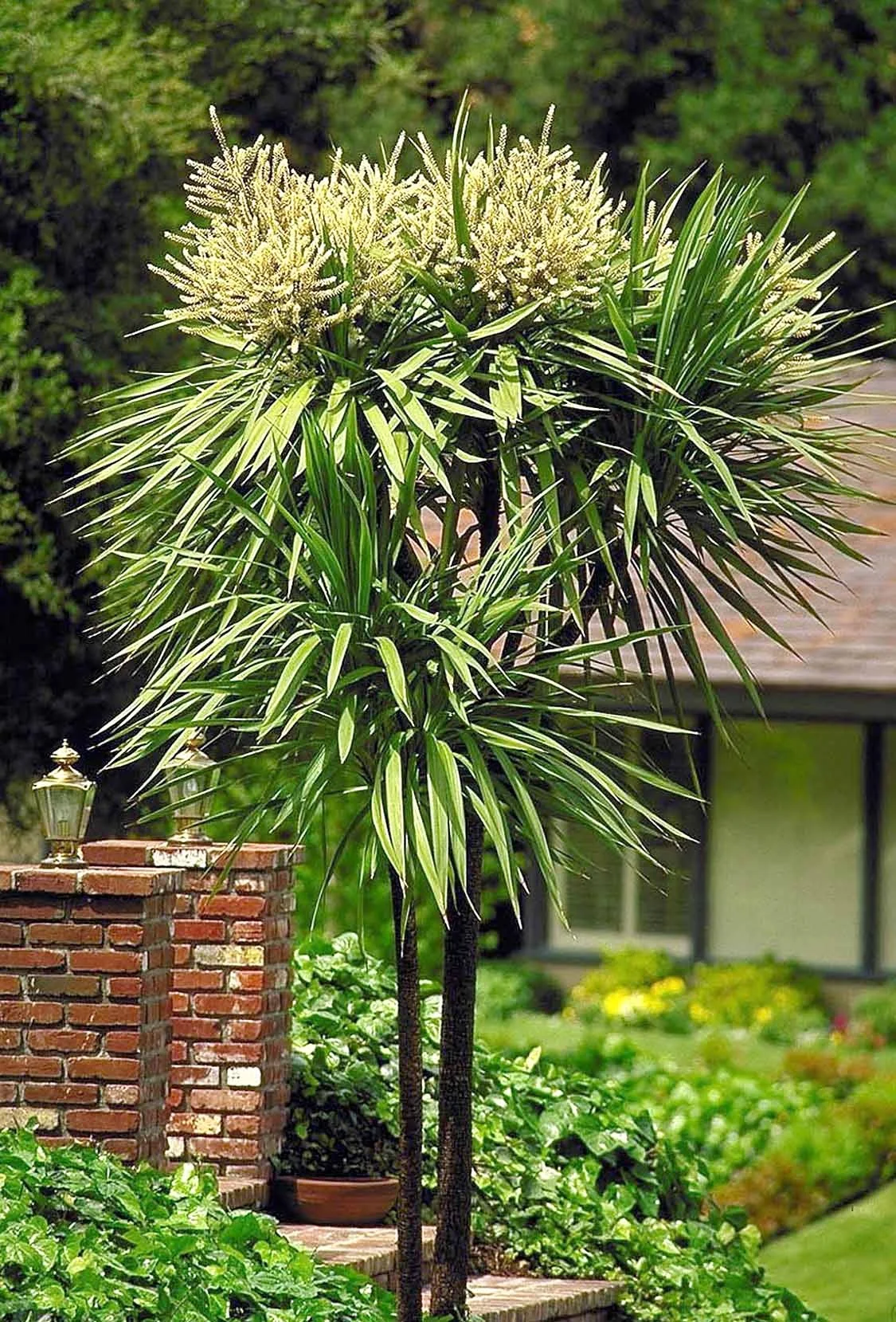
| Description | Dense crowns of slender, arching, sword-like leaves on this palm-like plant with a dramatic tropical appearance. Large, branched, creamy white panicles top the foliage in spring. A great choice for containers, often used in tubs with other plants. Thrives in seacoast exposure, with shelter from harsh winds. Evergreen. |
|---|---|
| Bloom Time | Late spring |
| Deciduous/Evergreen | Evergreen |
| Special Features | Dramatic Foliage Color, Easy Care, Waterwise |
| Problems/Solutions | Coastal Exposure, Deer Resistant |
| Growth Rate | Moderate |
| Growth Habit | Upright |
| Flower Attributes | Fragrant, Showy Flowers |
| Landscape Use | Border, Container, Houseplant, Poolside |
| Design Ideas | Cordyline is great near swimming pools as it is almost litter-free and doesn't cast too much shade. Also an ideal specimen against a colored stucco wall or as a subject for night lighting. Perfect for postmodern architecture and tropical gardens. |
| Flower Color | White |
| Foliage Color | Blue-green |
| Companion Plants | Bush Daisy (Euryops); Mexican Heather (Cuphea); Verbena (Verbena); Lantana (Lantana); Canna (Canna) |
| Care Instructions | Provide deep, enriched, well-drained soil. Thrives in full sun with shelter from harsh winds in coastal regions; in hot inland areas, benefits from regular water and light shade. Water regularly during first growing season to develop extensive root system; once established, reduce frequency. Apply fertilizer before new growth begins in spring. |
| Lore | Cordyline indivisa is native to New Zealand and found at higher elevations that the closely related Cordyiline australis (also native to New Zealand). it can purportedly tolerate cooler temperatures than C. australis, but should be overwintered in below freezing temperatures to protect tender shoot tips and non-woody stem regions from damage. Likewise, it does not withstand the higher temperatures that the related C. australis. does. C. indivisa does not produce prolific shoots when topped, like some the other cordyline species. |
Details
| Description | Dense crowns of slender, arching, sword-like leaves on this palm-like plant with a dramatic tropical appearance. Large, branched, creamy white panicles top the foliage in spring. A great choice for containers, often used in tubs with other plants. Thrives in seacoast exposure, with shelter from harsh winds. Evergreen. |
|---|---|
| Bloom Time | Late spring |
| Deciduous/Evergreen | Evergreen |
| Special Features | Dramatic Foliage Color, Easy Care, Waterwise |
| Problems/Solutions | Coastal Exposure, Deer Resistant |
| Growth Rate | Moderate |
| Growth Habit | Upright |
| Flower Attributes | Fragrant, Showy Flowers |
Style
| Landscape Use | Border, Container, Houseplant, Poolside |
|---|---|
| Design Ideas | Cordyline is great near swimming pools as it is almost litter-free and doesn't cast too much shade. Also an ideal specimen against a colored stucco wall or as a subject for night lighting. Perfect for postmodern architecture and tropical gardens. |
| Flower Color | White |
| Foliage Color | Blue-green |
| Companion Plants | Bush Daisy (Euryops); Mexican Heather (Cuphea); Verbena (Verbena); Lantana (Lantana); Canna (Canna) |
Care
| Care Instructions | Provide deep, enriched, well-drained soil. Thrives in full sun with shelter from harsh winds in coastal regions; in hot inland areas, benefits from regular water and light shade. Water regularly during first growing season to develop extensive root system; once established, reduce frequency. Apply fertilizer before new growth begins in spring. |
|---|
History
| Lore | Cordyline indivisa is native to New Zealand and found at higher elevations that the closely related Cordyiline australis (also native to New Zealand). it can purportedly tolerate cooler temperatures than C. australis, but should be overwintered in below freezing temperatures to protect tender shoot tips and non-woody stem regions from damage. Likewise, it does not withstand the higher temperatures that the related C. australis. does. C. indivisa does not produce prolific shoots when topped, like some the other cordyline species. |
|---|
Retailers Near You
About Us
We have been pioneers and craftsmen in the art of growing plants for 100 years. Since our founding in Southern California by Harry E. Rosedale, Sr. in 1926, we have been absolutely dedicated and obsessed with quality.
We have been pioneers and craftsmen in the art of growing plants for nearly 100 years. Since our founding in Southern California by Harry E. Rosedale, Sr. in 1926, we have been absolutely dedicated and obsessed with quality.