
You're growing in this Zip Code:
Change LocationDiscover Plants for Your Area
Bottle Pop™ Neon Pink Bottlebrush
Callistemon viminalis 'Neon Pink'
Pronunciation: kal-LIS-tem-on vi-mi-NAH-liss
SKU #41365
LIGHT:
Full sun
WATER:
Once established, water if very dry.
SIZE:
Quickly reaches 8 to 12 ft. tall, 8 to 10 ft. wide.

Retailers Near You
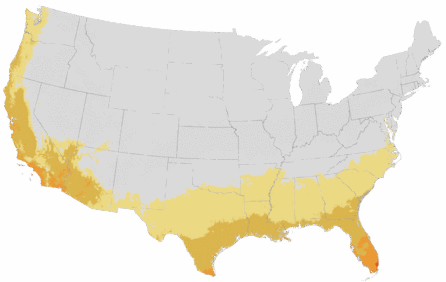
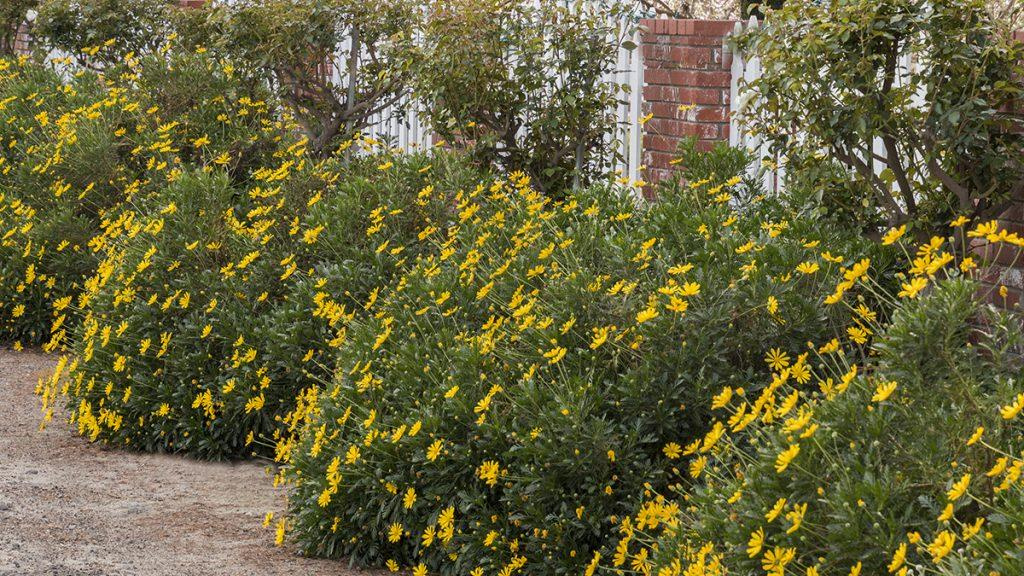

| Description | A colorful waterwise shrub, ideal for hot, dry, minimal-care gardens. Finely textured, gray-green foliage complements the profusion of showy, bottlebrush-like, hot pink flowers. Its natural multi-branched form is perfect for massing as an informal screen. Easily trained into a small-scale specimen tree. Evergreen. |
|---|---|
| Bloom Time | Spring through fall; longer in mild weather. |
| Deciduous/Evergreen | Evergreen |
| Special Features | Attracts Hummingbirds, Easy Care, Waterwise, Non-toxic to Cats and Dogs, Attracts Pollinators, Fast Growing, Compact Form |
| Problems/Solutions | Coastal Exposure, Deer Resistant, Erosion Control, Drought Tolerant |
| Growth Rate | Fast |
| Flower Attributes | Flowers for Cutting, Long Bloom Season, Showy Flowers |
| Landscape Use | Border, Container, Hedge, Privacy Screen |
| Flower Color | Pink |
| Foliage Color | Gray-green |
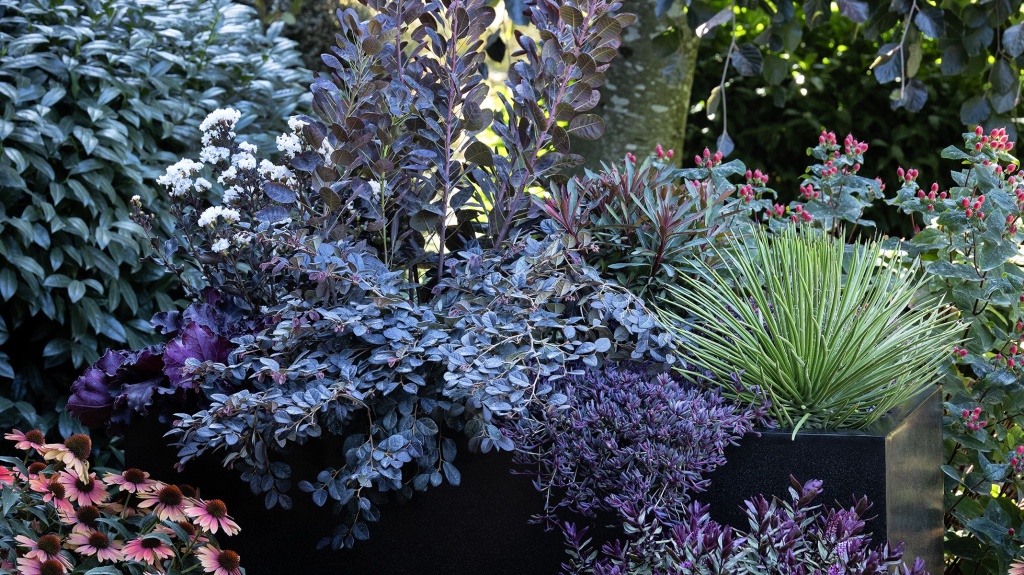
| Companion Plants | Privet (Ligustrum); Rock Rose (Cistus); African Iris (Dietes); Maiden Grass (Miscanthus); Stonecrop (Sedum) |
| Care Instructions | Provide average to lean, very well-drained soil. Water deeply and regularly during the first growing season to establish an extensive root system; once established, reduce frequency. Prune lightly to shape or promote dense growth. Fertilize before new growth begins in spring. |
| History | The graceful bottlebrush tree is native to stream bank habitats of eastern Australia. It is counted among the twenty five known species of Callistemon, with only a few grown in America. The genus was conferred by Otto Staph of the Royal Botanical Gardens at Kew, England around the turn of the century. This particular selection is similar in flower color to Callistemon 'Jeffers' but more compact growing. Sourced from EuroAmerica propagators, it is considered to be a Callistemon viminalis hybrid, however its traits differ somewhat, and the parentage has not been fully confirmed. |
| Lore | The genus name is from the Greek for "beauty" and "stamen" to describe the flowers, a bottle brush shaped wand of stamens without visible stamens. |
Details
| Description | A colorful waterwise shrub, ideal for hot, dry, minimal-care gardens. Finely textured, gray-green foliage complements the profusion of showy, bottlebrush-like, hot pink flowers. Its natural multi-branched form is perfect for massing as an informal screen. Easily trained into a small-scale specimen tree. Evergreen. |
|---|---|
| Bloom Time | Spring through fall; longer in mild weather. |
| Deciduous/Evergreen | Evergreen |
| Special Features | Attracts Hummingbirds, Easy Care, Waterwise, Non-toxic to Cats and Dogs, Attracts Pollinators, Fast Growing, Compact Form |
| Problems/Solutions | Coastal Exposure, Deer Resistant, Erosion Control, Drought Tolerant |
| Growth Rate | Fast |
| Flower Attributes | Flowers for Cutting, Long Bloom Season, Showy Flowers |
Style
| Landscape Use | Border, Container, Hedge, Privacy Screen |
|---|---|
| Flower Color | Pink |
| Foliage Color | Gray-green |
| Companion Plants | Privet (Ligustrum); Rock Rose (Cistus); African Iris (Dietes); Maiden Grass (Miscanthus); Stonecrop (Sedum) |
Care
| Care Instructions | Provide average to lean, very well-drained soil. Water deeply and regularly during the first growing season to establish an extensive root system; once established, reduce frequency. Prune lightly to shape or promote dense growth. Fertilize before new growth begins in spring. |
|---|
History
| History | The graceful bottlebrush tree is native to stream bank habitats of eastern Australia. It is counted among the twenty five known species of Callistemon, with only a few grown in America. The genus was conferred by Otto Staph of the Royal Botanical Gardens at Kew, England around the turn of the century. This particular selection is similar in flower color to Callistemon 'Jeffers' but more compact growing. Sourced from EuroAmerica propagators, it is considered to be a Callistemon viminalis hybrid, however its traits differ somewhat, and the parentage has not been fully confirmed. |
|---|---|
| Lore | The genus name is from the Greek for "beauty" and "stamen" to describe the flowers, a bottle brush shaped wand of stamens without visible stamens. |
Retailers Near You
About Us
We have been pioneers and craftsmen in the art of growing plants for 100 years. Since our founding in Southern California by Harry E. Rosedale, Sr. in 1926, we have been absolutely dedicated and obsessed with quality.
We have been pioneers and craftsmen in the art of growing plants for nearly 100 years. Since our founding in Southern California by Harry E. Rosedale, Sr. in 1926, we have been absolutely dedicated and obsessed with quality.