
You're growing in this Zip Code:
Discover Plants for Your Area
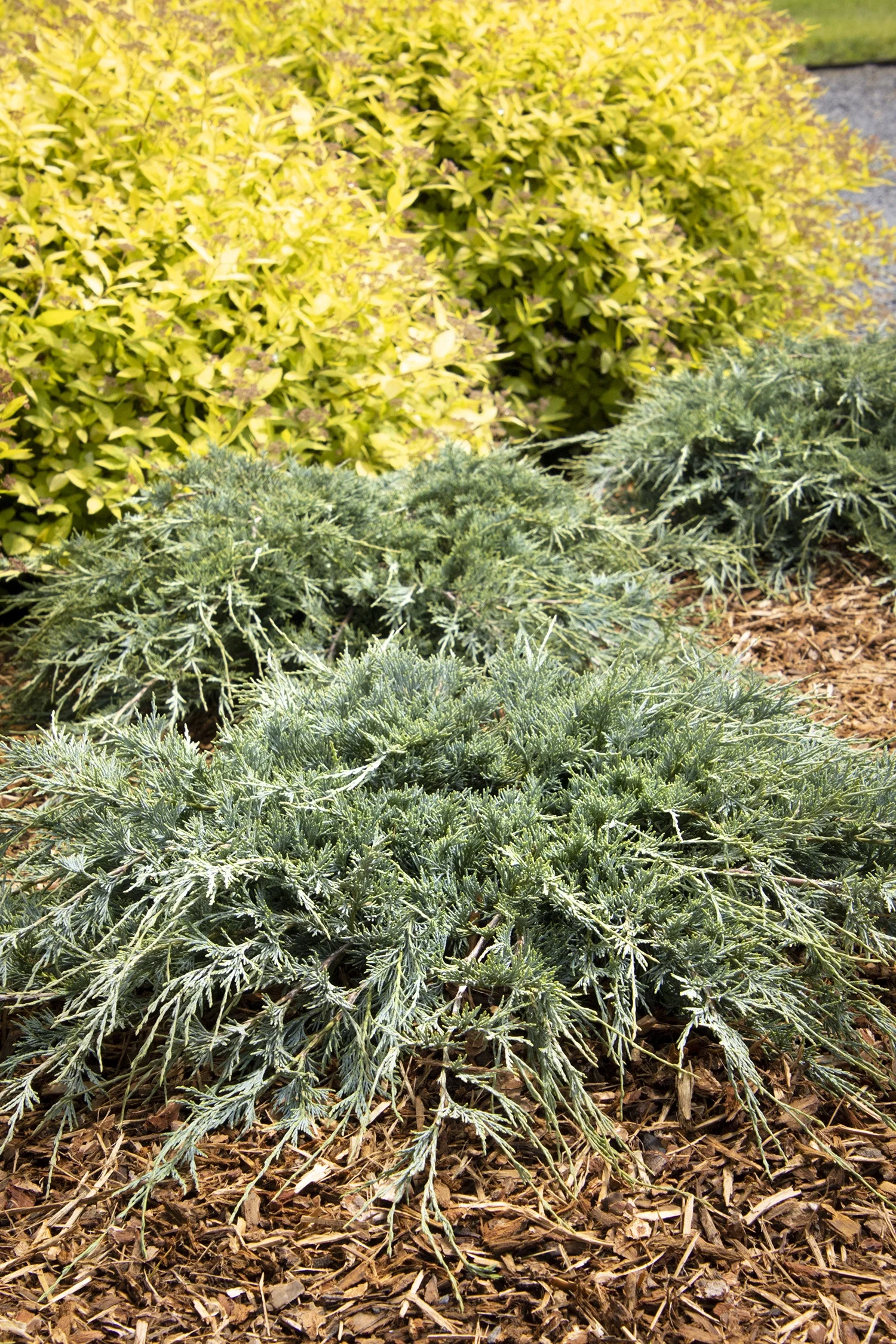
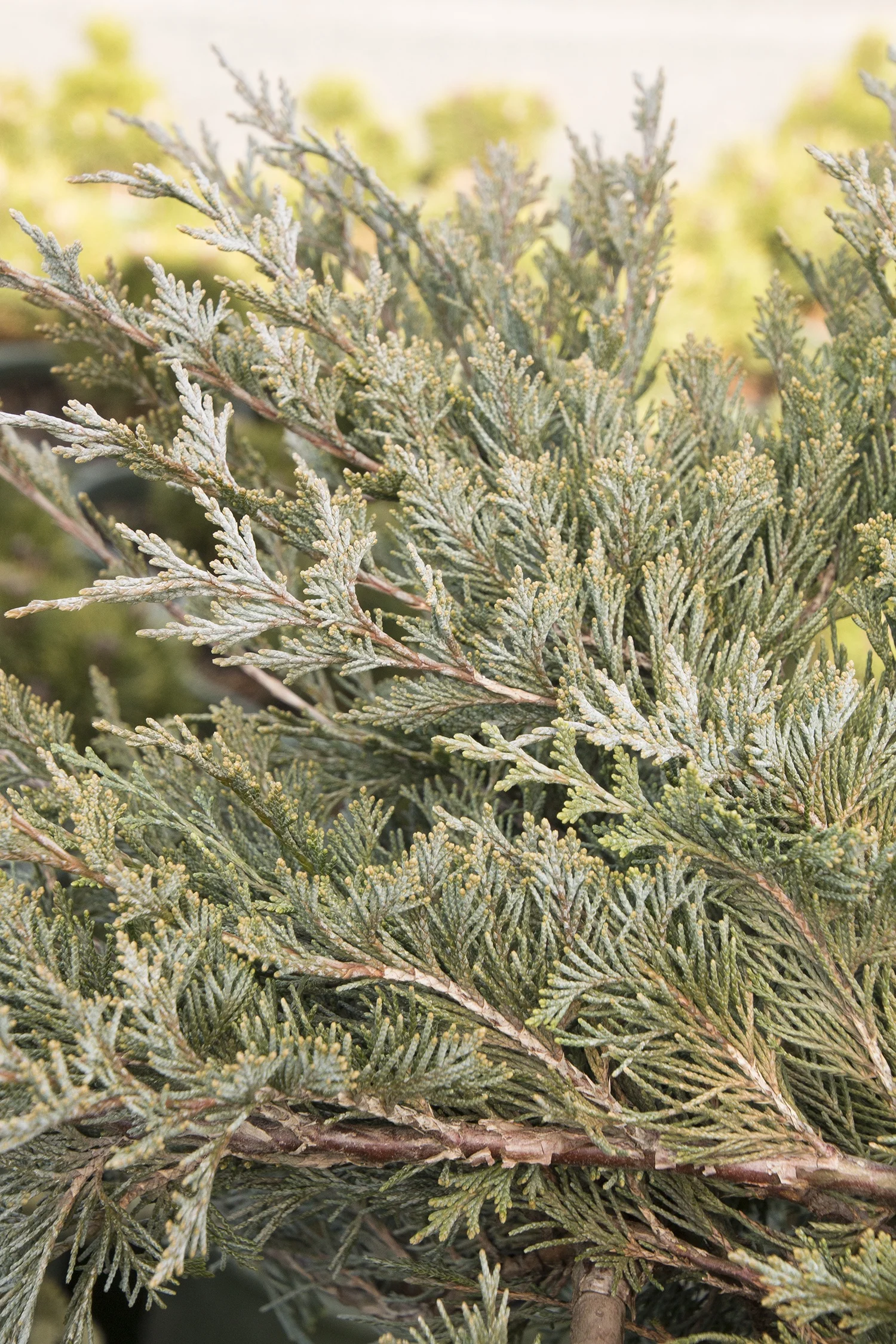
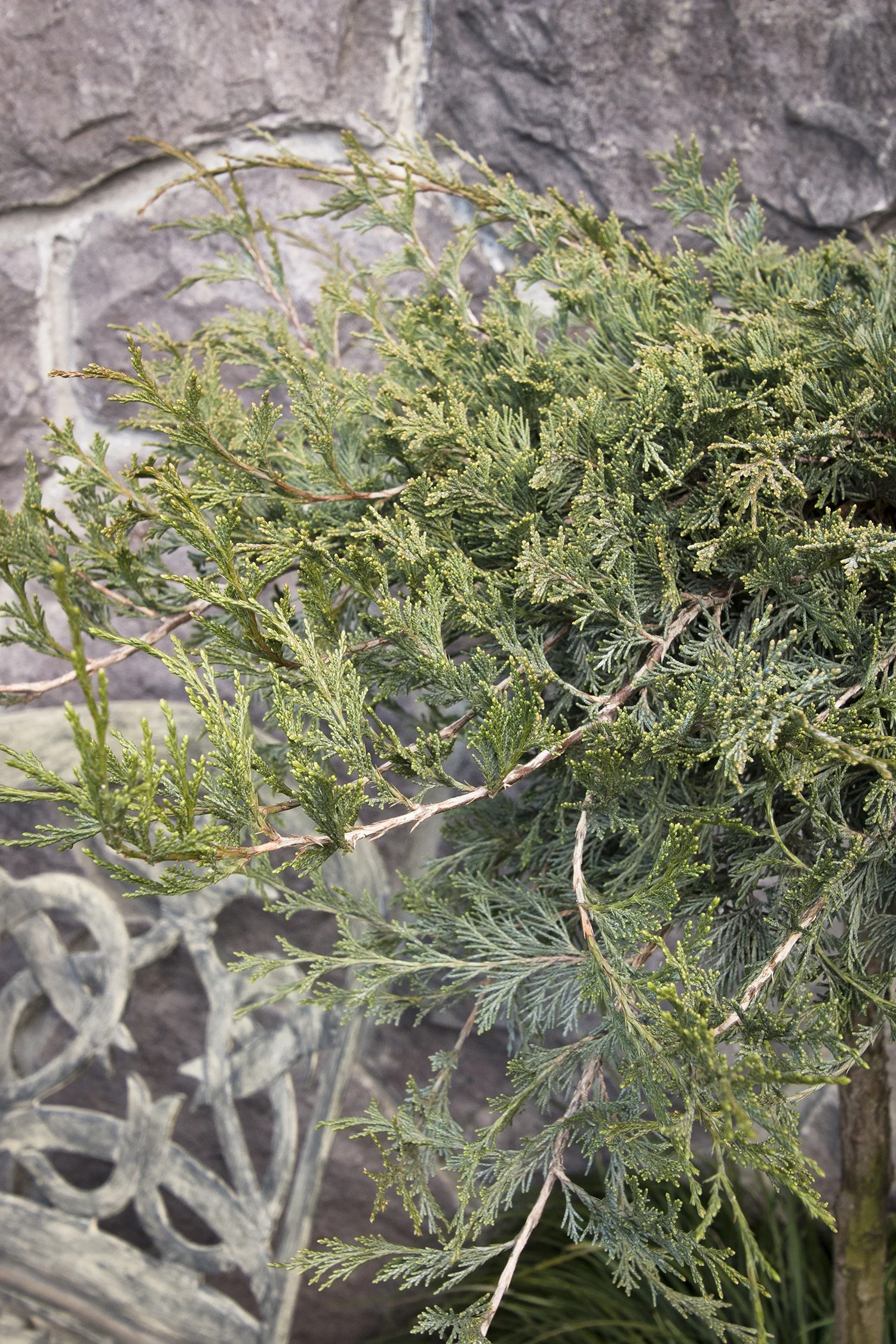
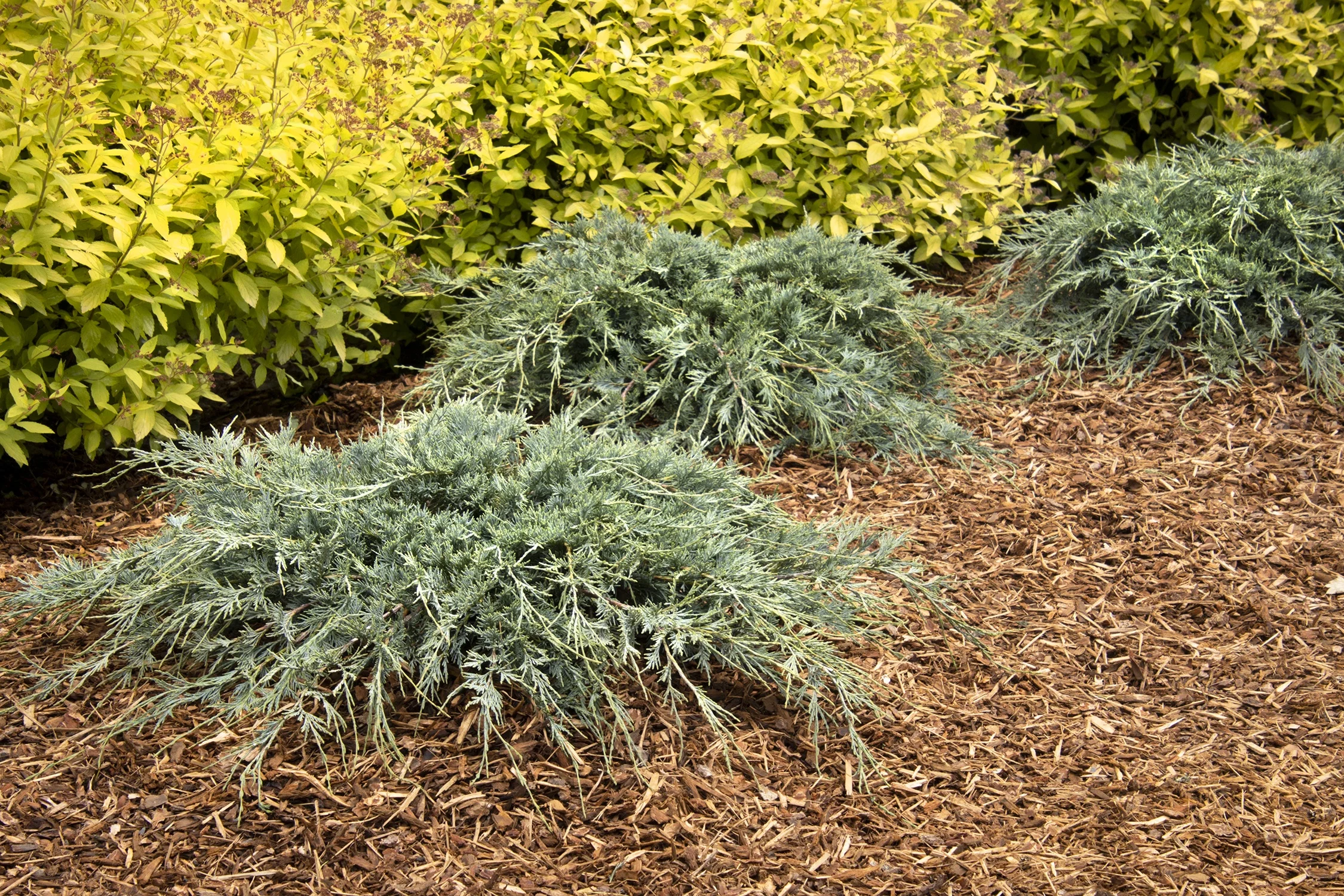
Burly Blue® Juniper
Juniperus scopulorum 'MonOliver' PPAF
Pronunciation: ju-NIP-er-us skop-u-LO-rum
SKU #05228
LIGHT:
Full sun
WATER:
Water when top 2 inches of soil is dry.
SIZE:
Moderate growing; reaches 2 ft. tall, spreading 6 to 8 ft. wide.

Home Delivery Price
?
- Arrives in 3 to 7 days
- Free shipping on orders over $149
- Perfect Start Promise
Select Quantity
Retailers Near You
This Plant's Growing Zones: 3-8
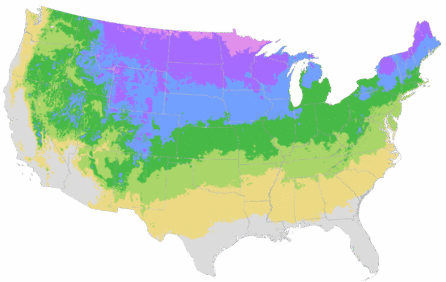
Your USDA Cold Hardiness Zone:
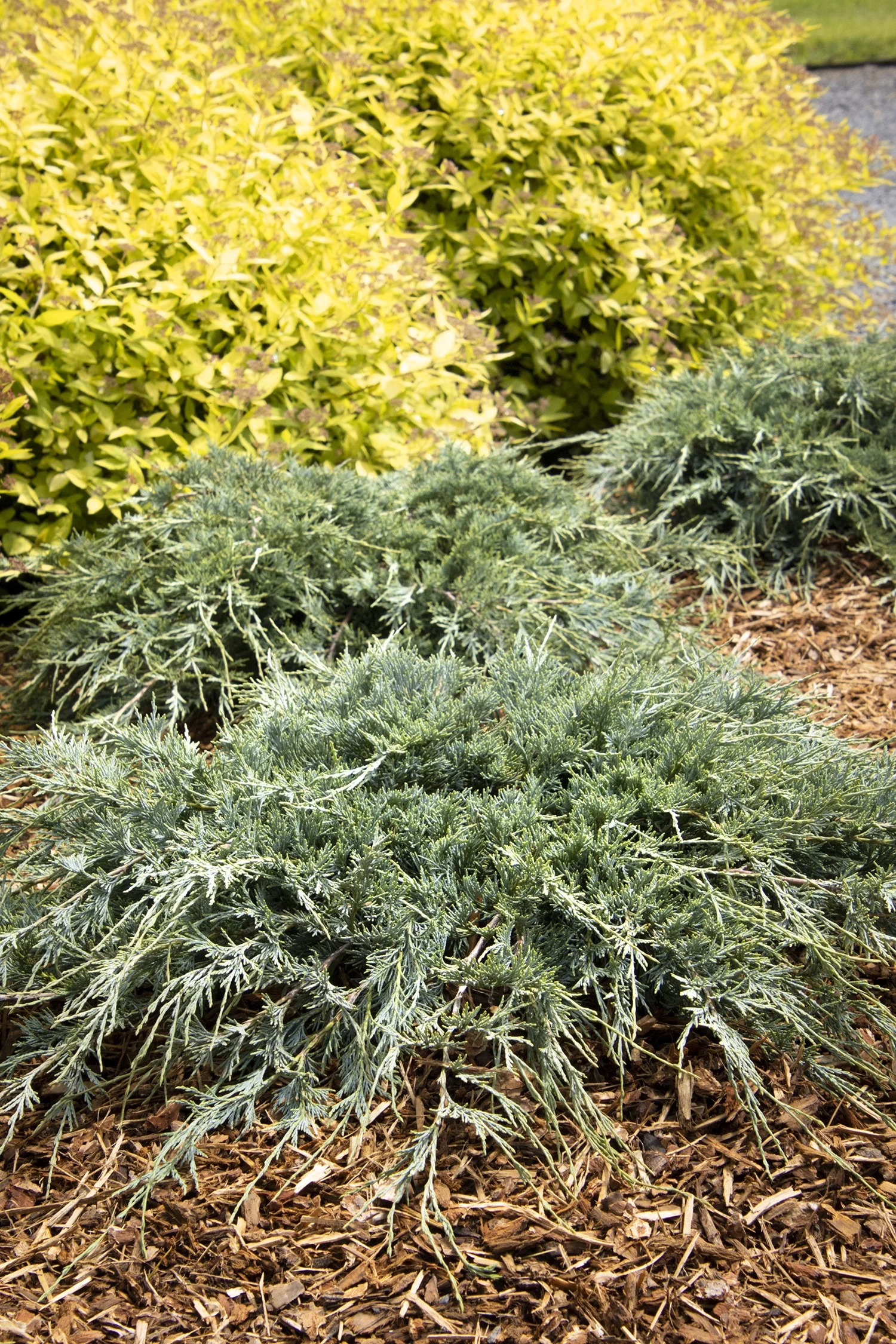
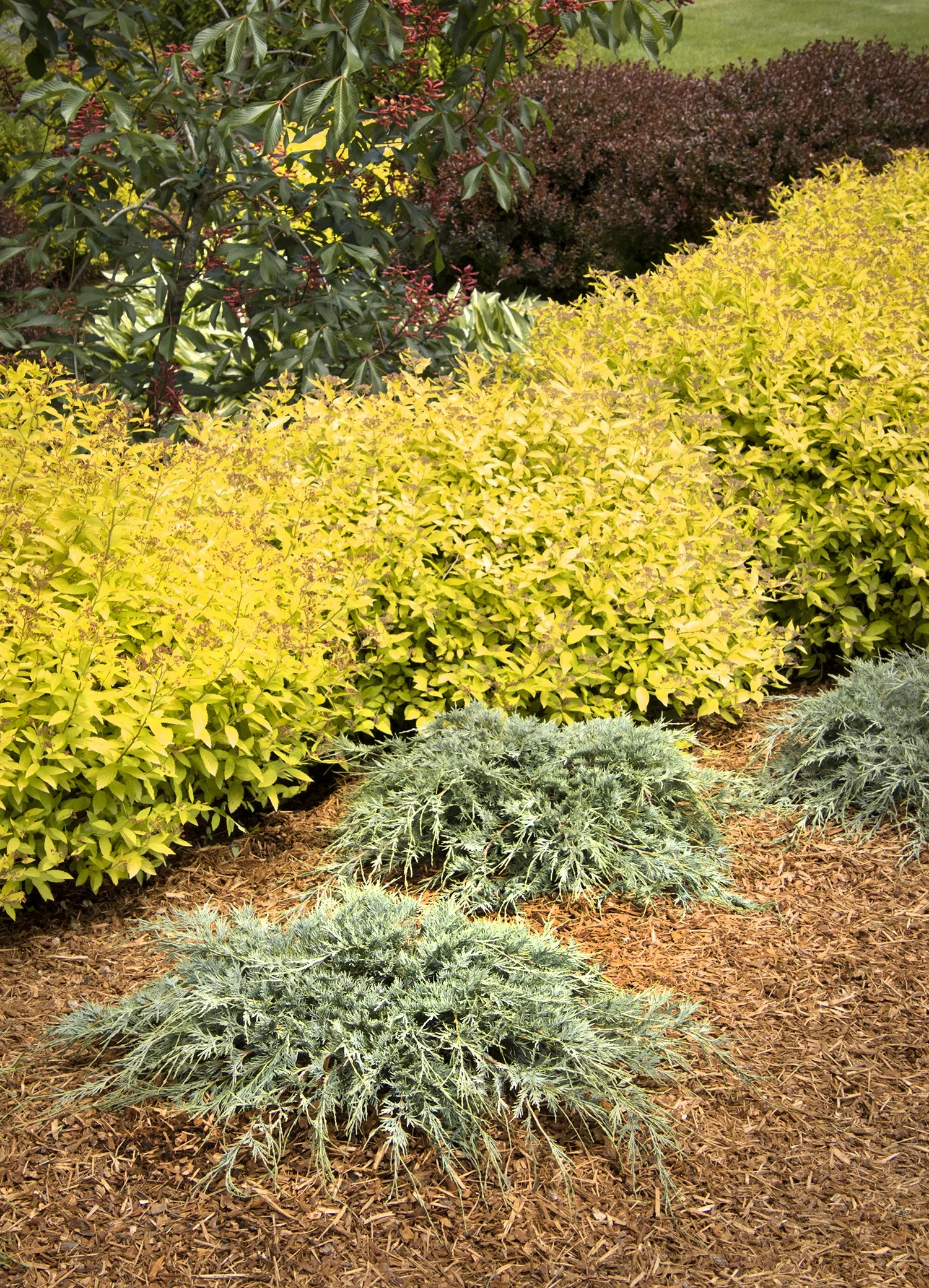
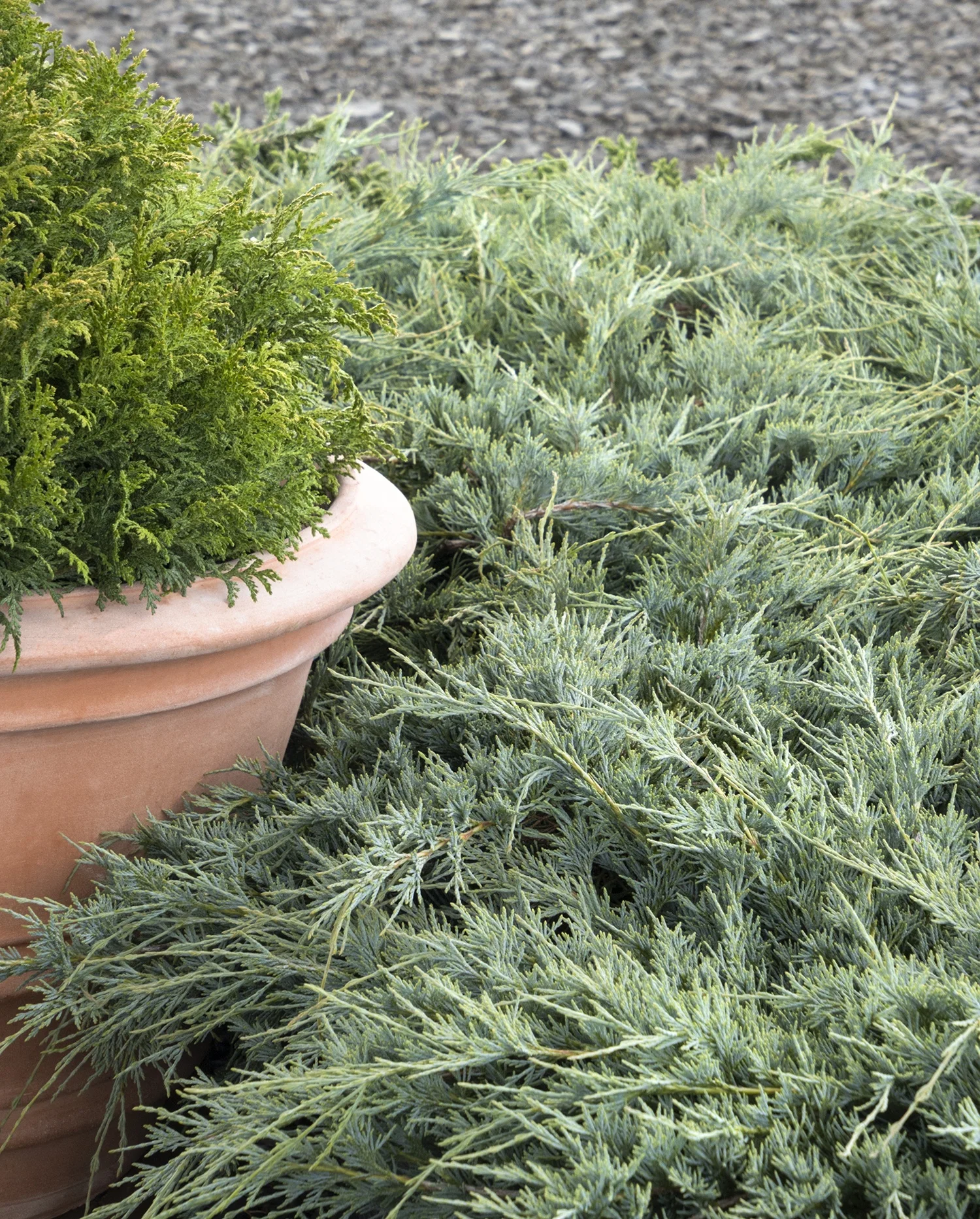
| Description | Outstanding, cold hardy, evergreen shrub with blue-grey foliage on a low mounded, spreading form. With more refined foliage color and denser habit than Blue Creeper juniper, it is ideal at the foreground of shrub borders, as a specimen accent, or as a rugged, large scale groundcover. |
|---|---|
| Bloom Time | Conifer; prized for foliage. |
| Deciduous/Evergreen | Evergreen |
| Special Features | Dramatic Foliage Color, Easy Care, Heat Loving |
| Problems/Solutions | Deer Resistant, Erosion Control |
| Growth Rate | Moderate |
| Patent Act | Asexual reproduction of plants protected by the Plant Patent Act is prohibited during the life of the patent. |
| Landscape Use | Border, Ground Cover |
| Foliage Color | Silver-blue |
| Companion Plants | Barberry (Berberis); Rose (Rosa); Clematis (Clematis); Catmint (Nepeta); Maiden Grass (Miscanthus) |
| Care Instructions | Easy to grow and highly adaptable; thrives in slightly dry, sandy soils with good drainage. Avoid constantly wet soils. Water deeply, regularly during first growing season to establish an extensive root system. As a groundcover, space plants 5 ft. apart, or closer for faster coverage. Control weeds with mulch until the plants fill in. |
| History | The species, J. scopulorum is a North American native tree that grows to 35 feet and was introduced in 1839 by Charles Sprague Sargent, director of Arnold Arboretum at Harvard University. Its range extends from the Rocky Mountains and into the far western high country. Like all junipers, J. scopulorum is quite diverse with many forms within the species, from upright, tree-like shapes to shrubby and lower growing forms. Juniperus scopulorum 'MonOliver' was introduced by Monrovia Nursery in 2019 in collaboration with plantsman Al Oliver of Chase, B.C. An excellent replacement for Blue Creeper Juniper, this male clone does not produce berries. |
| Lore | Juniper's oil was once highly valued as a medicinal and used in many compounds. It was used to line pits where Native Americans stored food for winter because its oils prove a natural insect repellant. Linnaeus first classified genus Juniperus in 1767, which contains over 60 different species from around the world. but only in the northern hemisphere. |
Details
| Description | Outstanding, cold hardy, evergreen shrub with blue-grey foliage on a low mounded, spreading form. With more refined foliage color and denser habit than Blue Creeper juniper, it is ideal at the foreground of shrub borders, as a specimen accent, or as a rugged, large scale groundcover. |
|---|---|
| Bloom Time | Conifer; prized for foliage. |
| Deciduous/Evergreen | Evergreen |
| Special Features | Dramatic Foliage Color, Easy Care, Heat Loving |
| Problems/Solutions | Deer Resistant, Erosion Control |
| Growth Rate | Moderate |
| Patent Act | Asexual reproduction of plants protected by the Plant Patent Act is prohibited during the life of the patent. |
Style
| Landscape Use | Border, Ground Cover |
|---|---|
| Foliage Color | Silver-blue |
| Companion Plants | Barberry (Berberis); Rose (Rosa); Clematis (Clematis); Catmint (Nepeta); Maiden Grass (Miscanthus) |
Care
| Care Instructions | Easy to grow and highly adaptable; thrives in slightly dry, sandy soils with good drainage. Avoid constantly wet soils. Water deeply, regularly during first growing season to establish an extensive root system. As a groundcover, space plants 5 ft. apart, or closer for faster coverage. Control weeds with mulch until the plants fill in. |
|---|
History
| History | The species, J. scopulorum is a North American native tree that grows to 35 feet and was introduced in 1839 by Charles Sprague Sargent, director of Arnold Arboretum at Harvard University. Its range extends from the Rocky Mountains and into the far western high country. Like all junipers, J. scopulorum is quite diverse with many forms within the species, from upright, tree-like shapes to shrubby and lower growing forms. Juniperus scopulorum 'MonOliver' was introduced by Monrovia Nursery in 2019 in collaboration with plantsman Al Oliver of Chase, B.C. An excellent replacement for Blue Creeper Juniper, this male clone does not produce berries. |
|---|---|
| Lore | Juniper's oil was once highly valued as a medicinal and used in many compounds. It was used to line pits where Native Americans stored food for winter because its oils prove a natural insect repellant. Linnaeus first classified genus Juniperus in 1767, which contains over 60 different species from around the world. but only in the northern hemisphere. |
Retailers Near You
About Us
We have been pioneers and craftsmen in the art of growing plants for 100 years. Since our founding in Southern California by Harry E. Rosedale, Sr. in 1926, we have been absolutely dedicated and obsessed with quality.
We have been pioneers and craftsmen in the art of growing plants for nearly 100 years. Since our founding in Southern California by Harry E. Rosedale, Sr. in 1926, we have been absolutely dedicated and obsessed with quality.