
You're growing in this Zip Code:
Change LocationDiscover Plants for Your Area
Carter's Sunburst Camellia
Camellia japonica 'Carter's Sunburst'
Pronunciation: kuh-MEE-lee-uh juh-PON-ih-kuh
SKU #01638
LIGHT:
Filtered sun, Full shade, Partial shade, Partial sun
WATER:
Water when top 3 inches of soil is dry.
SIZE:
Moderate growing; reaches 6 to 8 ft. tall and wide, or larger with age.

Retailers Near You
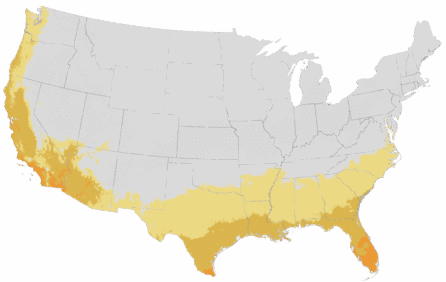
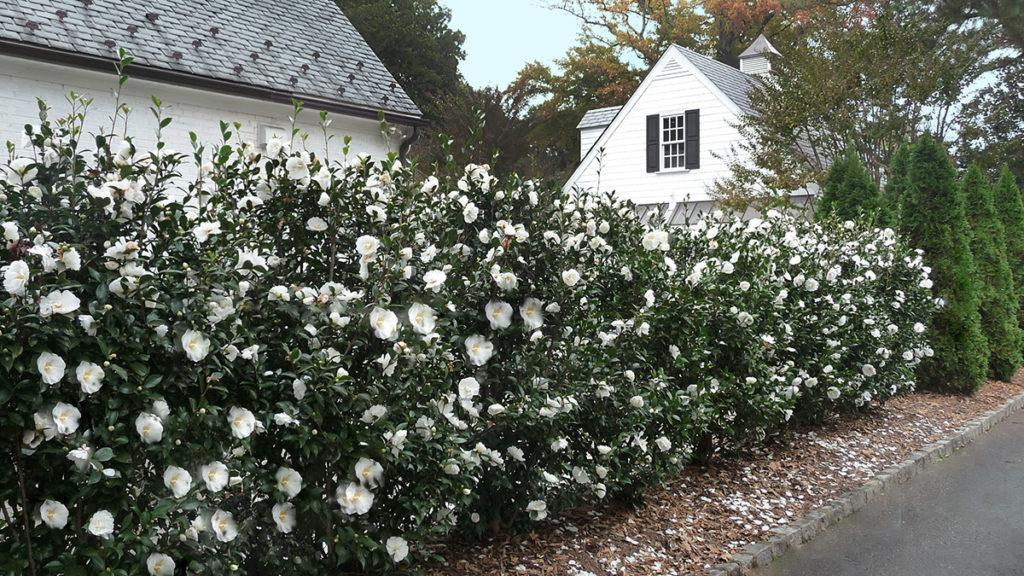

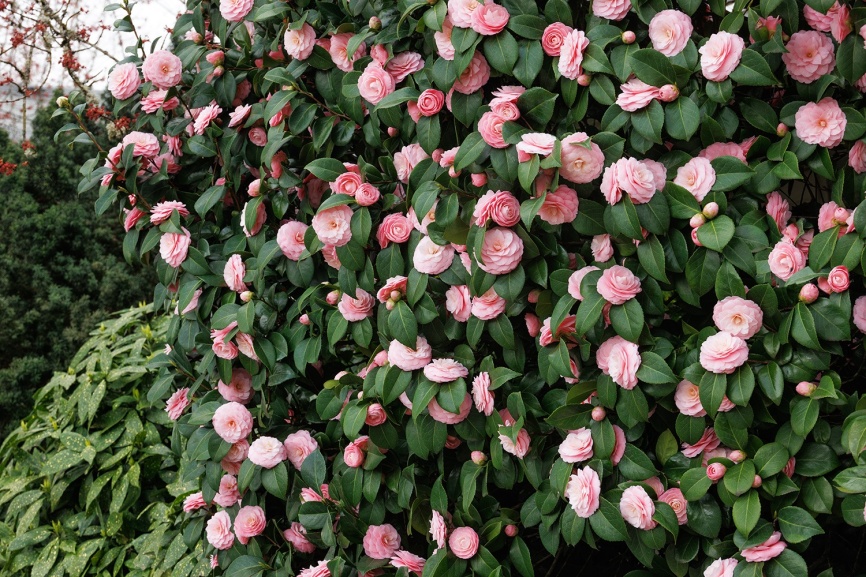
| Description | Spectacular, double, medium pink blooms streaked with deeper pink add early season color to shady areas in late winter to early spring. A prized plant for milder regions. Excellent as a stand-alone statement or massed as a privacy screen. Evergreen. |
|---|---|
| Bloom Time | Winter to early spring |
| Deciduous/Evergreen | Evergreen |
| Special Features | Non-toxic to Cats and Dogs |
| Growth Rate | Moderate |
| Growth Habit | Upright |
| Flower Attributes | Flowers for Cutting, Showy Flowers |
| Landscape Use | Border, Container, Espalier, Privacy Screen |
| Design Ideas | A must for Asian or woodland garden settings under large, old shade trees with filtered canopies. Plant as a backdrop in mixed beds or as a foundation plant in high visibility areas. Dress up a wall or garage as a shrub or train as an espalier for a formal look. |
| Flower Color | Pink |
| Foliage Color | Dark Green |
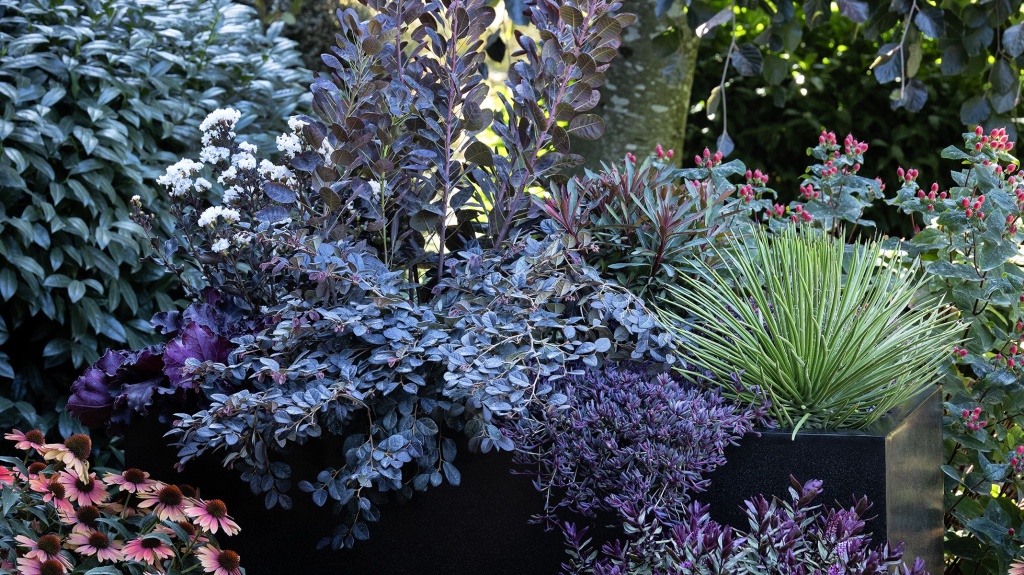
| Companion Plants | Pair this multi-colored bloomer with the big blooming, solid colors of Gardenia, Hydrangea, and Azalea. In a more natural woodland setting, combine with the airy foliage of Heavenly Bamboo and Bleeding Heart. Early blooming deciduous trees like Cherry and Dogwood offer the needed filtered shade and ground hugging perennials such as Fumewort, Coral Bells, and Clematis offer interest and color throughout all layers of the garden. |
| Care Instructions | Provide organically rich, well-drained, acidic soil. Keep roots cool with a thick layer of mulch. Water deeply and regularly during the first growing season to establish an extensive root system; reduce frequency, once established. Prune lightly to shape and feed with an acid fertilizer after flowering. |
| History | Camellias are native to eastern and southern Asia. C. japonica was imported into the Philippines but is native to China, Japan, Korea and Taiwan. The genus Camellia was named by Carolus Linnaeus who named it for a Jesuit missionary Georg Kamel, who cultivated an important garden of local medicinal plants on the Philippine Island of Luzon in the 17th century. Carter's Sunburst is a seedling of Aspasia Macarthur, a very old variety dating back to 1848. Red Camellias are a symbol of wealth and white Camellias signify loveliness. Camellias represent longevity and faithfulness and have long been a primary floral component in Asian weddings. |
Details
| Description | Spectacular, double, medium pink blooms streaked with deeper pink add early season color to shady areas in late winter to early spring. A prized plant for milder regions. Excellent as a stand-alone statement or massed as a privacy screen. Evergreen. |
|---|---|
| Bloom Time | Winter to early spring |
| Deciduous/Evergreen | Evergreen |
| Special Features | Non-toxic to Cats and Dogs |
| Growth Rate | Moderate |
| Growth Habit | Upright |
| Flower Attributes | Flowers for Cutting, Showy Flowers |
Style
| Landscape Use | Border, Container, Espalier, Privacy Screen |
|---|---|
| Design Ideas | A must for Asian or woodland garden settings under large, old shade trees with filtered canopies. Plant as a backdrop in mixed beds or as a foundation plant in high visibility areas. Dress up a wall or garage as a shrub or train as an espalier for a formal look. |
| Flower Color | Pink |
| Foliage Color | Dark Green |
| Companion Plants | Pair this multi-colored bloomer with the big blooming, solid colors of Gardenia, Hydrangea, and Azalea. In a more natural woodland setting, combine with the airy foliage of Heavenly Bamboo and Bleeding Heart. Early blooming deciduous trees like Cherry and Dogwood offer the needed filtered shade and ground hugging perennials such as Fumewort, Coral Bells, and Clematis offer interest and color throughout all layers of the garden. |
Care
| Care Instructions | Provide organically rich, well-drained, acidic soil. Keep roots cool with a thick layer of mulch. Water deeply and regularly during the first growing season to establish an extensive root system; reduce frequency, once established. Prune lightly to shape and feed with an acid fertilizer after flowering. |
|---|
History
| History | Camellias are native to eastern and southern Asia. C. japonica was imported into the Philippines but is native to China, Japan, Korea and Taiwan. The genus Camellia was named by Carolus Linnaeus who named it for a Jesuit missionary Georg Kamel, who cultivated an important garden of local medicinal plants on the Philippine Island of Luzon in the 17th century. Carter's Sunburst is a seedling of Aspasia Macarthur, a very old variety dating back to 1848. Red Camellias are a symbol of wealth and white Camellias signify loveliness. Camellias represent longevity and faithfulness and have long been a primary floral component in Asian weddings. |
|---|
Retailers Near You
About Us
We have been pioneers and craftsmen in the art of growing plants for 100 years. Since our founding in Southern California by Harry E. Rosedale, Sr. in 1926, we have been absolutely dedicated and obsessed with quality.
We have been pioneers and craftsmen in the art of growing plants for nearly 100 years. Since our founding in Southern California by Harry E. Rosedale, Sr. in 1926, we have been absolutely dedicated and obsessed with quality.