
You're growing in this Zip Code:
Change LocationDiscover Plants for Your Area
Chinese Apricot
Prunus armeniaca 'Chinese'
Pronunciation: PROO-nus ar-men-ee-AH-kuh
SKU #06743
LIGHT:
Full sun
WATER:
Water when top 2 inches of soil is dry.
SIZE:
Moderate growing; reaches 20 to 30 ft. tall and wide.

Retailers Near You
Ready to Grow?
Ship Monrovia plants directly to your door. Browse a curated selection available online.
Shop Now >

| Description | An early-bearing variety that is ideal for difficult climates prone to late spring frosts. An eruption of mildly fragrant, early blooms heralds the onset of spring and a promise of heavy yields on this self-pollenizer that produces an abundance of yellow-orange fruit with a sweet, mild flavor and a good texture. Recommended winter chill: 700 hours. Deciduous. |
|---|---|
| Bloom Time | Early spring |
| Deciduous/Evergreen | Deciduous |
| Special Features | Edible, Attracts Pollinators, Benefits Birds |
| Growth Rate | Moderate |
| Flower Attributes | Flowers for Cutting, Fragrant, Showy Flowers |
| Flower Color | White |
| Foliage Color | Green |
| Companion Plants | Honeysuckle (Lonicera); Hydrangea (Hydrangea); Coneflower (Echinacea); Lilac (Syringa); Lavender (Lavandula); Rosemary (Rosmarinus) |
| Care Instructions | Thrives in arid western regions, with slightly acidic, well-drained soil. Water deeply, regularly in first few growing seasons to establish root system; once established reduce frequency. Prune to shape and remove dead or damaged branches, and fertilize in late winter before blooms emerge. Thin young fruit to increase mature fruit size. |
Details
| Description | An early-bearing variety that is ideal for difficult climates prone to late spring frosts. An eruption of mildly fragrant, early blooms heralds the onset of spring and a promise of heavy yields on this self-pollenizer that produces an abundance of yellow-orange fruit with a sweet, mild flavor and a good texture. Recommended winter chill: 700 hours. Deciduous. |
|---|---|
| Bloom Time | Early spring |
| Deciduous/Evergreen | Deciduous |
| Special Features | Edible, Attracts Pollinators, Benefits Birds |
| Growth Rate | Moderate |
| Flower Attributes | Flowers for Cutting, Fragrant, Showy Flowers |
Style
| Flower Color | White |
|---|---|
| Foliage Color | Green |
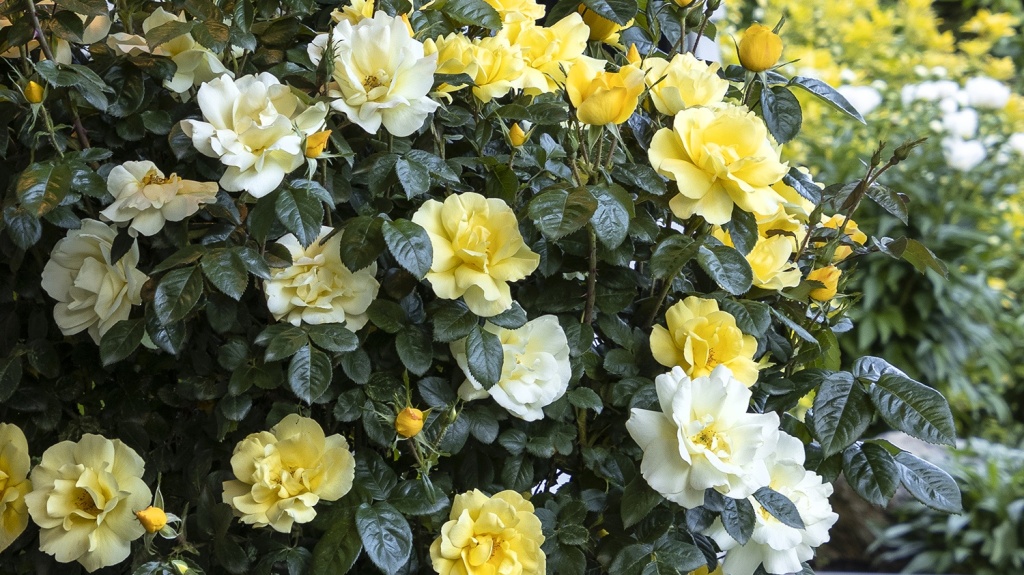
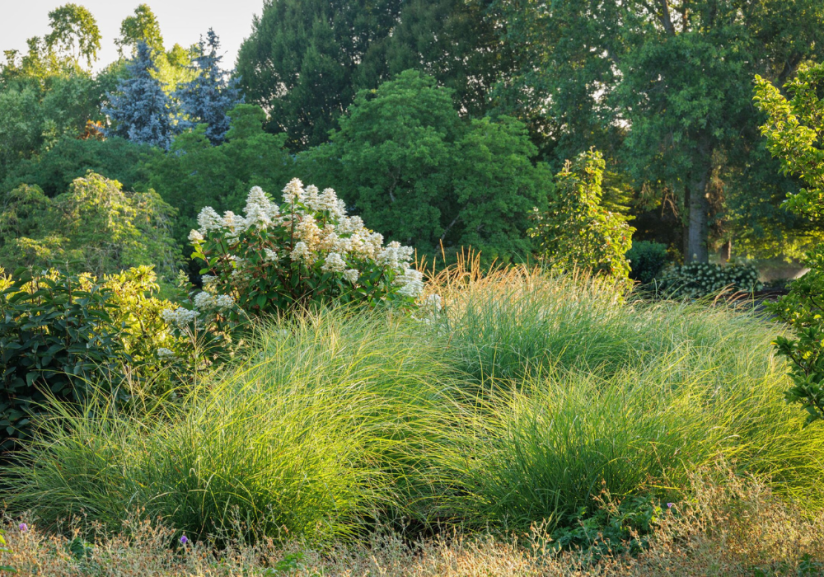
| Companion Plants | Honeysuckle (Lonicera); Hydrangea (Hydrangea); Coneflower (Echinacea); Lilac (Syringa); Lavender (Lavandula); Rosemary (Rosmarinus) |
Care
| Care Instructions | Thrives in arid western regions, with slightly acidic, well-drained soil. Water deeply, regularly in first few growing seasons to establish root system; once established reduce frequency. Prune to shape and remove dead or damaged branches, and fertilize in late winter before blooms emerge. Thin young fruit to increase mature fruit size. |
|---|
Frequently asked questions
Does Chinese Apricot produce flowers?
Early spring
Is Chinese Apricot evergreen or deciduous?
Chinese Apricot is Deciduous.
What are the special features of Chinese Apricot?
Chinese Apricot is Edible, Attracts Pollinators, Benefits Birds.
How fast does Chinese Apricot grow?
Chinese Apricot has a Moderate growth rate.
What color are Chinese Apricot flowers?
Chinese Apricot produces White flowers.
What color is the foliage of Chinese Apricot?
Chinese Apricot has Green foliage.
What plants grow well with Chinese Apricot?
Good companion plants for Chinese Apricot include: Honeysuckle (Lonicera); Hydrangea (Hydrangea); Coneflower (Echinacea); Lilac (Syringa); Lavender (Lavandula); Rosemary (Rosmarinus).
How do I care for Chinese Apricot?
Thrives in arid western regions, with slightly acidic, well-drained soil. Water deeply, regularly in first few growing seasons to establish root system; once established reduce frequency. Prune to shape and remove dead or damaged branches, and fertilize in late winter before blooms emerge. Thin young fruit to increase mature fruit size.
Retailers Near You
About Us
We have been pioneers and craftsmen in the art of growing plants for 100 years. Since our founding in Southern California by Harry E. Rosedale, Sr. in 1926, we have been absolutely dedicated and obsessed with quality.
We have been pioneers and craftsmen in the art of growing plants for nearly 100 years. Since our founding in Southern California by Harry E. Rosedale, Sr. in 1926, we have been absolutely dedicated and obsessed with quality.