
You're growing in this Zip Code:
Discover Plants for Your Area


Chirimen Marlberry
Ardisia japonica 'Chirimen'
Pronunciation: ar-DIZ-ee-uh juh-PON-ih-kuh
SKU #00291
LIGHT:
Partial sun
WATER:
Keep soil consistently moist.
SIZE:
Moderately fast growing; forms dense mat 6 to 8 in. tall, 24 to 36 in. wide.

Retailers Near You
Ready to Grow?
Ship Monrovia plants directly to your door. Browse a curated selection available online.
Shop Now >This Plant's Growing Zones: 6-9
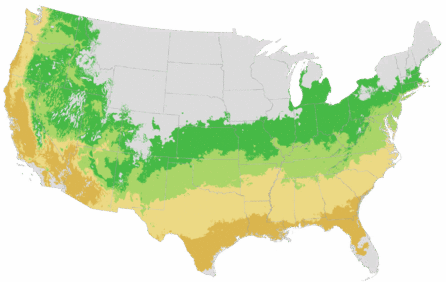
Your USDA Cold Hardiness Zone:
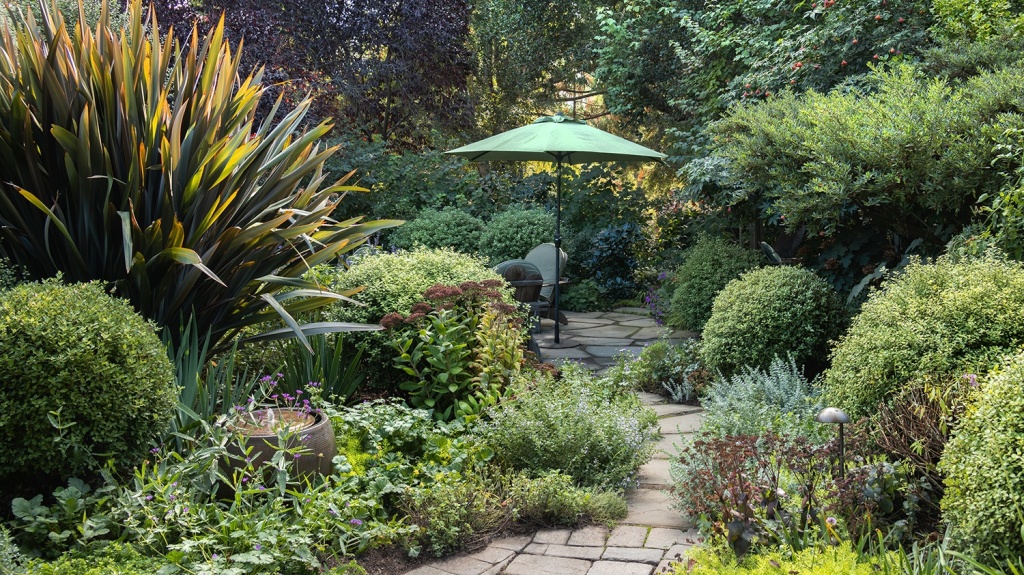
| Description | An excellent low-growing shrub that works well as evergreen groundcover for shady beds, borders, and woodland gardens, particularly under the cool, dark canopy of large trees. The dense, glossy, dark green foliage is accented by ornamental red fruit in late summer that persists into winter. A wonderful choice for water gardens and containers. |
|---|---|
| Bloom Time | Late summer to fall |
| Deciduous/Evergreen | Evergreen |
| Special Features | Ornamental Berries, Fast Growing, Benefits Birds |
| Growth Rate | Fast |
| Growth Habit | Clumping |
| Landscape Use | Container, Ground Cover, Hanging Basket |
| Design Ideas | A useful partial shade groundcover that fills in gaps in planting. Excellent for tightening up the lawn edge or creating green carpet beneath older flowering shrubs with exposed legs. An exceptional choice for the woodland forest floor to discourage weeds and to add bright berry color. Works nicely on northeast or west exposures where few plants thrive and in side yards between multistory buildings. |
| Flower Color | White |
| Foliage Color | Green |
| Companion Plants | Japanese Forest Grass (Hakonechloa); Bleeding Heart (Dicentra); Hosta (Hosta); Pachysandra (Pachysandra); Columbine (Aquilegia) |
| Care Instructions | Thrives in organically rich, moist, acidic, well-drained soils, clear of heavy foot traffic. Shelter from harsh afternoon sun exposures. Water regularly to maintain evenly moist soil; does not tolerate soggy soils or drought. Space 2 to 3 ft. apart as a groundcover; closer for faster coverage. Control weeds with mulch until plants fill in. |
| History | This shrub is included in the small Nutmeg Family which contains just a few genera from warm parts of the world. This genus contains about 250 species distributed over tropical and subtropical regions around the world except Africa and Australia. The species is native to Japan and China where it is valued as a medicinal. It was classified by Karl Blume in the 19th century. |
| Lore | The bark of Ardisia is the part considered medicinal in traditional Chinese medicine. |
Details
| Description | An excellent low-growing shrub that works well as evergreen groundcover for shady beds, borders, and woodland gardens, particularly under the cool, dark canopy of large trees. The dense, glossy, dark green foliage is accented by ornamental red fruit in late summer that persists into winter. A wonderful choice for water gardens and containers. |
|---|---|
| Bloom Time | Late summer to fall |
| Deciduous/Evergreen | Evergreen |
| Special Features | Ornamental Berries, Fast Growing, Benefits Birds |
| Growth Rate | Fast |
| Growth Habit | Clumping |
Style
| Landscape Use | Container, Ground Cover, Hanging Basket |
|---|---|
| Design Ideas | A useful partial shade groundcover that fills in gaps in planting. Excellent for tightening up the lawn edge or creating green carpet beneath older flowering shrubs with exposed legs. An exceptional choice for the woodland forest floor to discourage weeds and to add bright berry color. Works nicely on northeast or west exposures where few plants thrive and in side yards between multistory buildings. |
| Flower Color | White |
| Foliage Color | Green |
| Companion Plants | Japanese Forest Grass (Hakonechloa); Bleeding Heart (Dicentra); Hosta (Hosta); Pachysandra (Pachysandra); Columbine (Aquilegia) |
Care
| Care Instructions | Thrives in organically rich, moist, acidic, well-drained soils, clear of heavy foot traffic. Shelter from harsh afternoon sun exposures. Water regularly to maintain evenly moist soil; does not tolerate soggy soils or drought. Space 2 to 3 ft. apart as a groundcover; closer for faster coverage. Control weeds with mulch until plants fill in. |
|---|
History
| History | This shrub is included in the small Nutmeg Family which contains just a few genera from warm parts of the world. This genus contains about 250 species distributed over tropical and subtropical regions around the world except Africa and Australia. The species is native to Japan and China where it is valued as a medicinal. It was classified by Karl Blume in the 19th century. |
|---|---|
| Lore | The bark of Ardisia is the part considered medicinal in traditional Chinese medicine. |
Retailers Near You
About Us
We have been pioneers and craftsmen in the art of growing plants for 100 years. Since our founding in Southern California by Harry E. Rosedale, Sr. in 1926, we have been absolutely dedicated and obsessed with quality.
We have been pioneers and craftsmen in the art of growing plants for nearly 100 years. Since our founding in Southern California by Harry E. Rosedale, Sr. in 1926, we have been absolutely dedicated and obsessed with quality.