
You're growing in this Zip Code:
Discover Plants for Your Area

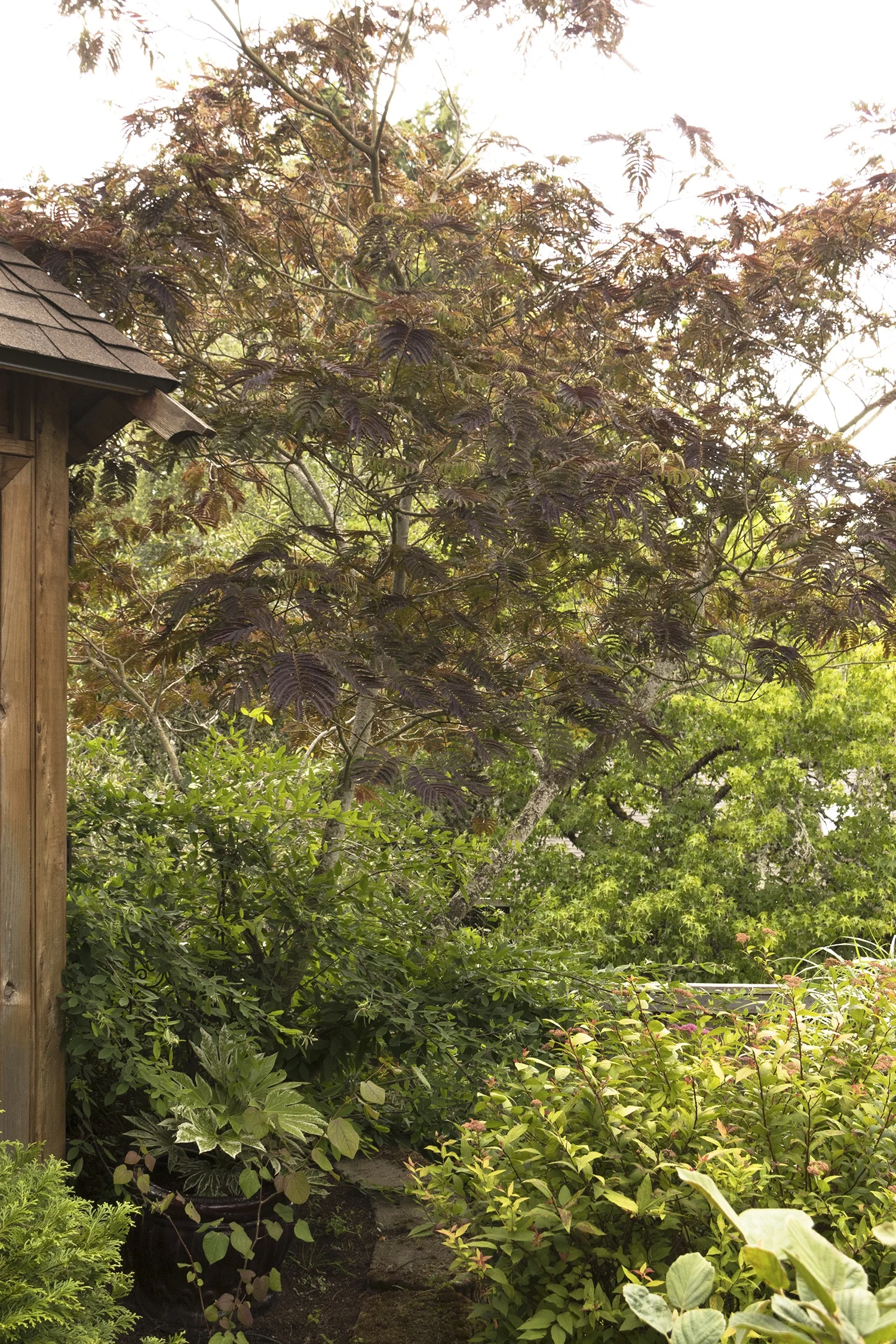
Chocolate Fountain™ Mimosa Tree
Albizia julibrissin 'NCAJ1' PP #25,813
Pronunciation: al-BIZ-ee-uh ju-lee-BRI-sin
SKU #01392
LIGHT:
Full sun
WATER:
Once established water during dry spells.
SIZE:
Grows 15 to 20 ft. tall, 12 to 15 ft. wide; grows smaller in containers.

Retailers Near You
Ready to Grow?
Ship Monrovia plants directly to your door. Browse a curated selection available online.
Shop Now >This Plant's Growing Zones: 6-10
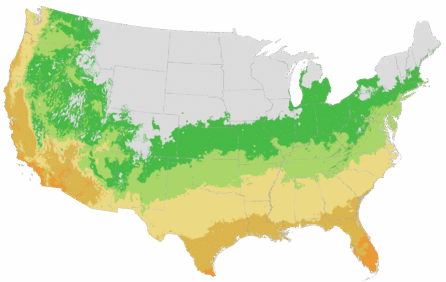
Your USDA Cold Hardiness Zone:
| Description | The first and only of its kind! Dramatic, deep purple, fern-like foliage graces the pendulous, weeping habit, enhanced by delicate pink flowers in summer. An elegant accent for smaller spaces or containers. This small tree doesn't mind the heat and is tough, trouble-free and drought resistant in the landscape. Deciduous. |
|---|---|
| Bloom Time | Summer |
| Deciduous/Evergreen | Deciduous |
| Special Features | Dramatic Foliage Color, Easy Care, Waterwise, Heat Loving, Compact Form |
| Problems/Solutions | Coastal Exposure, Deer Resistant, Rabbit Resistant, Tolerates Urban Pollution |
| Growth Rate | Moderate |
| Growth Habit | Weeping |
| Flower Attributes | Showy Flowers |
| Patent Act | Asexual reproduction of plants protected by the Plant Patent Act is prohibited during the life of the patent. |
| Landscape Use | Poolside |
| Design Ideas | Use this dwarf weeping tree with unique foliage color to accent smaller landscapes in warm climates. Plant along driveways and parking strips to create shade and a cooling effect. Silk tree is an historically correct tree for front or back lawns of Victorian homes. A beautiful accent to Spanish architecture, ranches and Santa Fe designed homes. Equally suited to shading tropical gardens filled with understory exotics. |
| Flower Color | Pink |
| Foliage Color | Purple |
| Companion Plants | California Lilac (Ceanothus); Rose (Rosa); Coneflower (Echinacea); Russian Sage (Perovskia); False Cypress (Chamaecyparis) |
| Care Instructions | Grows easily in poor to moderately fertile, well-drained soils. Water deeply, regularly in first growing season to establish an extensive root system. Once established in the landscape, reduce frequency; tolerates moderate, periodic drought, particularly in coastal regions. In containers, continue to water regularly. Feed in early spring. |
| History | Developed by North Carolina State University, introduced in 2015. |
Details
| Description | The first and only of its kind! Dramatic, deep purple, fern-like foliage graces the pendulous, weeping habit, enhanced by delicate pink flowers in summer. An elegant accent for smaller spaces or containers. This small tree doesn't mind the heat and is tough, trouble-free and drought resistant in the landscape. Deciduous. |
|---|---|
| Bloom Time | Summer |
| Deciduous/Evergreen | Deciduous |
| Special Features | Dramatic Foliage Color, Easy Care, Waterwise, Heat Loving, Compact Form |
| Problems/Solutions | Coastal Exposure, Deer Resistant, Rabbit Resistant, Tolerates Urban Pollution |
| Growth Rate | Moderate |
| Growth Habit | Weeping |
| Flower Attributes | Showy Flowers |
| Patent Act | Asexual reproduction of plants protected by the Plant Patent Act is prohibited during the life of the patent. |
Style
| Landscape Use | Poolside |
|---|---|
| Design Ideas | Use this dwarf weeping tree with unique foliage color to accent smaller landscapes in warm climates. Plant along driveways and parking strips to create shade and a cooling effect. Silk tree is an historically correct tree for front or back lawns of Victorian homes. A beautiful accent to Spanish architecture, ranches and Santa Fe designed homes. Equally suited to shading tropical gardens filled with understory exotics. |
| Flower Color | Pink |
| Foliage Color | Purple |
| Companion Plants | California Lilac (Ceanothus); Rose (Rosa); Coneflower (Echinacea); Russian Sage (Perovskia); False Cypress (Chamaecyparis) |
Care
| Care Instructions | Grows easily in poor to moderately fertile, well-drained soils. Water deeply, regularly in first growing season to establish an extensive root system. Once established in the landscape, reduce frequency; tolerates moderate, periodic drought, particularly in coastal regions. In containers, continue to water regularly. Feed in early spring. |
|---|
History
| History | Developed by North Carolina State University, introduced in 2015. |
|---|
Retailers Near You
About Us
We have been pioneers and craftsmen in the art of growing plants for 100 years. Since our founding in Southern California by Harry E. Rosedale, Sr. in 1926, we have been absolutely dedicated and obsessed with quality.
We have been pioneers and craftsmen in the art of growing plants for nearly 100 years. Since our founding in Southern California by Harry E. Rosedale, Sr. in 1926, we have been absolutely dedicated and obsessed with quality.